

2026 Voice of the Restaurant Industry Survey U.S. Restaurants Navigate Inflation, Labor, AI & Growth
Toast has released its 2026 Voice of the Restaurant Industry Survey, offering a detailed look at how U.S. restaurant operators are managing inflation, labor pressures, technology adoption, profitability and growth. The annual survey provides a snapshot of restaurant sentiment and priorities by asking hundreds of operators and decision-makers about the challenges affecting their businesses and the opportunities they see ahead.
The 2026 findings point to an industry that remains resilient despite a difficult operating environment. Restaurants continue to face rising costs and hiring challenges, but operators are responding by focusing on efficiency, guest traffic, profitability and new technologies rather than retreating from growth.
The survey, conducted by Toast between April 3 and April 20, 2026, included 676 restaurant operators and decision-makers from across the United States. Respondents represented both full-service and quick-service restaurants and operated 16 or fewer locations.
Restaurant Operators Remain Confident
One of the clearest findings from this year’s survey is the continued confidence among restaurant operators. Despite ongoing economic pressures, 91% of respondents rated the health of their business as either good or excellent.
That figure matches the high mark recorded in 2025, suggesting that restaurant operators continue to view their businesses as fundamentally strong even as the cost of operating a restaurant becomes more challenging.
The resilience is particularly notable given the broader economic uncertainty facing businesses. More than eight in 10 respondents said they feel somewhere between neutral and extremely comfortable with the current macroeconomic environment.
For restaurant operators, maintaining confidence appears to be closely connected to their willingness to adapt. Rather than simply responding to challenges with cost-cutting measures, many are looking for ways to operate more efficiently while continuing to attract customers and build revenue.
Inflation and Hiring Remain the Biggest Challenges
Inflation continues to be the leading challenge identified by restaurant operators. According to the survey, 27% of respondents identified inflation as one of their biggest concerns, representing a seven-percentage-point increase from the previous year.
Hiring was the second-largest challenge, cited by 22% of respondents. The concern around staffing increased by six percentage points year over year, highlighting the continuing difficulty restaurants face in attracting and retaining employees.
Together, inflation and labor challenges are putting pressure on restaurant margins. Operators must manage food and operating costs while maintaining adequate staffing levels and delivering the service customers expect.
The survey indicates that restaurants are responding by looking for operational efficiencies rather than relying exclusively on price increases.
Profitability Takes Center Stage
Profitability emerged as the leading business goal for restaurant operators in 2026, with 37% identifying it as their top priority.
The focus on profitability does not necessarily mean restaurants are pulling back on investment or growth. Instead, operators are looking for ways to become more productive and generate stronger returns from existing operations.
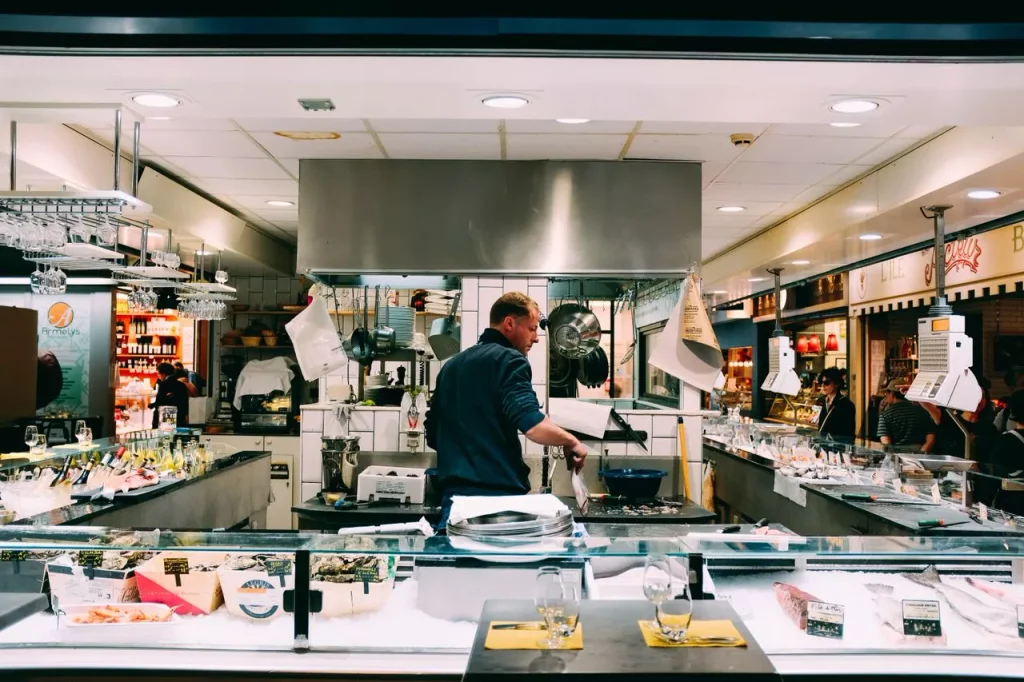
Restaurants are increasingly emphasizing disciplined inventory management, optimized menus, efficient staffing and improved customer engagement. These strategies can help businesses protect margins without sacrificing the customer experience.
The survey also found that fewer operators are planning to raise menu prices compared with last year. Although pricing remains an important tool for managing rising expenses, restaurants appear to be increasingly cautious about passing higher costs directly to consumers.
Still, 43% of operators said they expect to increase menu prices if their cost of goods rises during the next 12 months. That represents a five-point decline compared with the previous year’s survey, indicating that operators may be searching for other ways to absorb or offset cost increases.
Restaurants Are Betting on Guest Demand
While profitability is the top goal, growth remains a major part of the restaurant industry’s strategy.
Bringing in more guests was identified as the leading revenue focus for operators. This suggests restaurants are looking beyond cost management and are actively seeking opportunities to increase sales through customer acquisition and stronger demand.
For many restaurants, staying busy can be a more attractive path to profitability than simply cutting expenses. Increasing traffic allows operators to make better use of existing locations, staff and equipment while potentially improving overall efficiency.
Restaurants are therefore exploring new ways to reach consumers, improve loyalty and encourage repeat visits. The emphasis on guest demand reflects an industry that continues to believe there is room for expansion despite economic uncertainty.
AI Moves Into the Mainstream
Artificial intelligence has also become an increasingly important part of restaurant operations.
The 2026 survey found that 87% of restaurant operators feel comfortable using AI. Nearly nine in 10 respondents said they are experimenting with the technology in some form.
This represents a significant shift in how restaurant businesses view AI. What was once largely considered an emerging technology is increasingly becoming part of the industry’s broader technology toolkit.
Restaurant operators can use AI and automation to support a variety of operational needs, including administrative tasks, marketing, customer engagement, forecasting and productivity. As restaurants face ongoing labor shortages and pressure to operate more efficiently, technology can provide another way to help teams accomplish more with existing resources.
The widespread willingness to experiment with AI also suggests that restaurant operators are becoming more comfortable evaluating technology based on its practical business value.
Efficiency Becomes a Competitive Advantage
The combination of inflation, labor shortages and increased technology adoption is encouraging restaurants to focus heavily on efficiency.
Operators are examining how they manage inventory, staffing, menus and customer demand. Better inventory discipline can reduce waste and help restaurants control food costs, while menu optimization can allow businesses to concentrate on products that deliver stronger margins or resonate more effectively with customers.
At the same time, maintaining a satisfied and stable workforce remains important. Restaurants cannot pursue efficiency at the expense of employee retention and service quality. Instead, many operators are looking for ways to make their teams more productive while creating an environment that encourages employees to stay.
Technology, including AI, is increasingly becoming part of this equation.
A Resilient Industry Focused on the Future
The 2026 Voice of the Restaurant Industry Survey paints a picture of a restaurant sector facing familiar challenges but responding with determination and a growth-oriented mindset.
Inflation and hiring difficulties remain significant obstacles, yet overall business confidence has held steady. Operators are prioritizing profitability while continuing to pursue additional customers and revenue opportunities.
Rather than relying solely on price increases or aggressive cost reductions, restaurants are exploring a broader set of strategies. These include tighter inventory management, menu optimization, workforce retention, technology adoption and new approaches to attracting guests.
AI’s rapid adoption is perhaps one of the clearest signs of this shift. With 87% of operators comfortable using AI and nearly nine in 10 experimenting with it, technology is becoming an increasingly important component of restaurant operations.
Overall, the findings suggest that restaurants remain durable and adaptable. Operators recognize the pressures affecting their businesses, but they are responding by becoming more disciplined, efficient and innovative.
The 2026 survey ultimately highlights an industry that is not simply trying to withstand economic challenges. Restaurant operators are actively looking for ways to turn those challenges into opportunities for stronger operations, better customer engagement and sustainable growth.
Survey Methodology
Toast conducted a blind survey of 676 restaurant decision-makers operating 16 or fewer locations in the United States between April 3 and April 20, 2026. The respondents included both Toast customers and non-Toast customers and represented a mix of full-service and quick-service restaurants.
Participants were not informed that Toast was conducting the study. Panel providers provided incentives to restaurant respondents for their participation.
Using a standard margin-of-error calculation at a 95% confidence interval, the survey has a margin of error of plus or minus 4%.
The complete 2026 Voice of the Restaurant Industry Survey is available through Data by Toast.
Source Link:https://www.businesswire.com/