
Sustainable Agriculture REVERTE by Syngenta Earns Top Distinction for Transforming Land Restoration
Syngenta’s REVERTE® program has earned global recognition as a best-in-class initiative in transforming agriculture and food systems, following its selection by the World Business Council for Sustainable Development (WBCSD). The honor underscores the program’s pioneering approach to restoring degraded pasturelands, enhancing agricultural resilience, and preventing the further clearing of native vegetation—all while supporting farmers in adopting practices that ensure long-term environmental and economic sustainability.
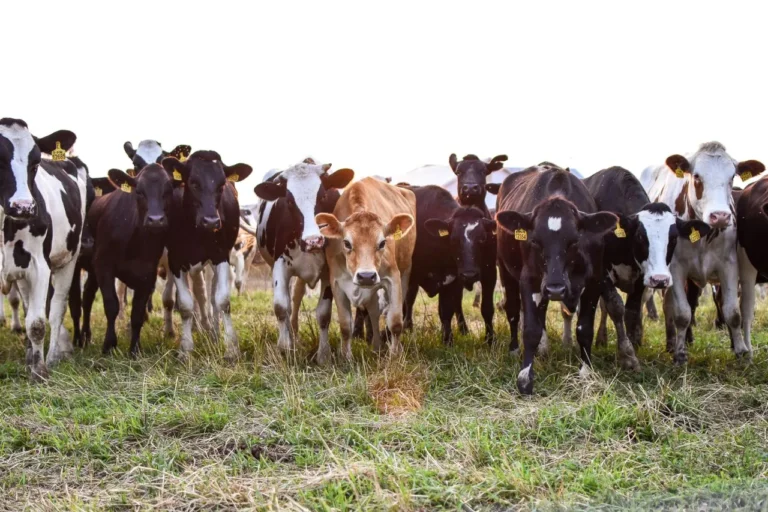
At its core, REVERTE® addresses one of the most significant land-use challenges facing modern agriculture: the degradation of pasture areas that results from years of continuous grazing, limited soil management, and climatic stress. Rather than allowing these lands to remain unproductive or incentivizing producers to clear new areas of native vegetation, Syngenta designed REVERTE® as a practical, scalable pathway to recover soil health and drive higher productivity on existing farmland.
The program provides farmers with a robust framework that integrates agronomic expertise, innovative technologies, and tailored financing solutions. Participants commit to strict environmental guidelines, ensuring that restoration efforts align with conservation priorities and comply with social and ecological standards. This comprehensive model has allowed REVERTE® to emerge as a transformative force across Brazil’s agricultural regions.
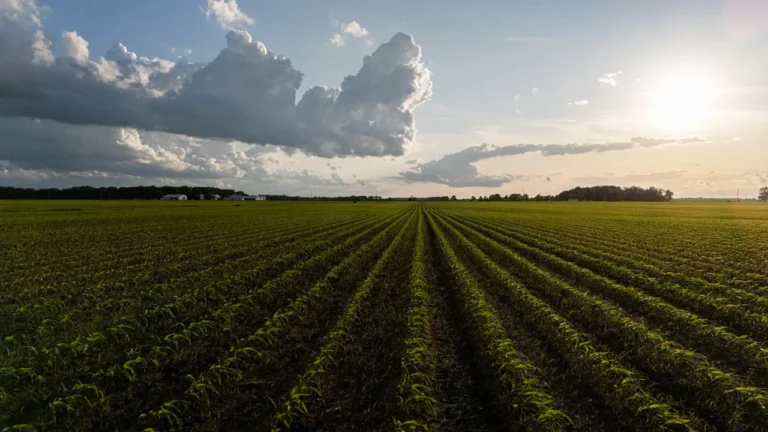
To date, approximately 280,000 hectares—equivalent to an area slightly larger than New York City and London combined—are undergoing restoration under the program. These lands are distributed across 11 Brazilian states and span three ecologically significant biomes, reflecting REVERTE®’s broad reach and adaptability to diverse agricultural conditions. Early results indicate clear benefits: 92% of monitored farms have reported yield increases between their first and second years of implementation, achieving an average productivity growth rate of 9%. This demonstrates not only agronomic viability but also the financial incentives that support long-term producer engagement.
Petra Laux, Chief Sustainability Officer at Syngenta Group, emphasized the transformative nature of the program, stating: “REVERTE® is one of the world’s most ambitious programs to restore degraded land for agriculture. Its success in Brazil is proof that strong ideals, great partners, and hard work can come together to address difficult challenges in agriculture and global food systems.” She reaffirmed Syngenta’s commitment to scaling the initiative, noting the company’s goal of recovering 1 million hectares of degraded land across Brazil by 2030.
A key pillar of REVERTE® lies in its focus on regenerative agriculture, a systems-based approach that enhances soil quality, boosts biodiversity, and strengthens climate resilience. Through practices such as crop rotation, cover cropping, and no-till farming, the program helps farmers rebuild the natural functions of their soils—improving organic matter content, enhancing water retention, and increasing the land’s capacity for carbon sequestration.
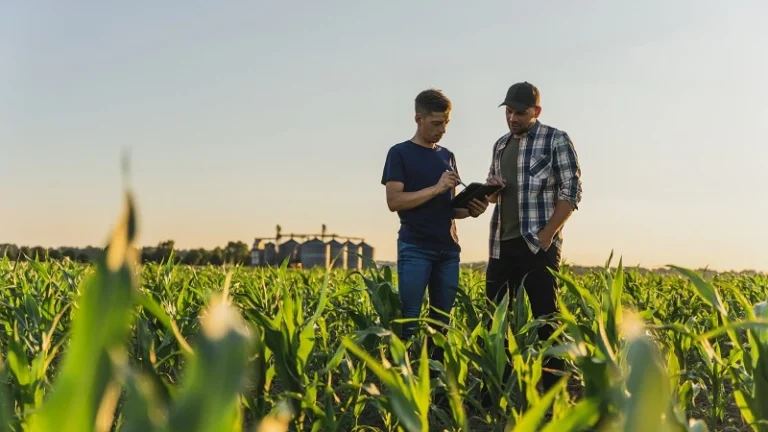
In addition to agronomic training, participants receive direct support to integrate advanced agricultural technologies, including improved seed varieties, precision agriculture tools, and crop protection solutions. This combination of science-driven practices and practical guidance ensures that regenerative agriculture is not merely an environmental ideal but a profitable, achievable model for farmers across varying scales of production.
The origins of REVERTE® date back to 2019, when Syngenta partnered with The Nature Conservancy (TNC) to design a landscape-scale program focused initially on the Cerrado biome. Often described as the world’s most biodiverse savanna, the Cerrado spans an area comparable in size to France, Germany, Spain, Italy, and Norway combined. Despite its ecological richness, the biome faces mounting pressure from agricultural expansion, with an estimated 18 million hectares of degraded pasturelands offering both an environmental challenge and an opportunity for restoration.
The Cerrado was selected as the program’s starting point due to the urgency and scale of its degradation, as well as its potential to deliver significant climate and biodiversity benefits. Restoring degraded Cerrado lands reduces pressure to convert native vegetation, strengthens ecosystem services, and supports rural communities that depend on agriculture for their livelihoods.
A key milestone in the program’s growth came in 2021, when Itaú BBA, one of Latin America’s leading financial institutions, launched a dedicated line of credit for farmers participating in REVERTE®. This financial mechanism not only helped accelerate adoption but also set a precedent for how banks can support sustainable agriculture through incentive-based lending. Farmers who meet the program’s socio-environmental requirements gain access to preferential financing, aligning economic motivation with environmental stewardship.
The growing interest from producers across multiple regions has prompted Syngenta to exploring how REVERTE® can be adapted and scaled beyond its initial footprint. Earlier this year, the company began developing a new initiative in Paraguay, focusing on key agricultural areas in the Chaco and Eastern regions. These regions face similar challenges related to soil degradation, deforestation pressure, and climate vulnerability, making them well-suited for a program focused on regenerative practices and sustainable productivity.
The expansion into Paraguay signals REVERTE®’s potential to serve as a regional model for sustainable land restoration, with opportunities to adapt its methodologies across South America’s varied agroecological landscapes. By supporting producers in transitioning to more resilient farming systems, the program contributes to long-term regional food security and climate mitigation efforts.
Beyond its immediate impacts, REVERTE® exemplifies how cross-sector collaboration can help address global food system challenges. The program’s partnership model—uniting Syngenta, TNC, financial institutions, and local producers—demonstrates the power of combining scientific expertise, environmental stewardship, and market-based incentives. It reflects growing recognition that sustainable agriculture requires both ecological insight and commercial viability.
As pressures on global food systems intensify—from climate change to increasing demand for food and diminishing natural resources—programs like REVERTE® offer practical, scalable solutions that enable agriculture to grow without expanding its environmental footprint. By focusing on land recovery, productivity gains, and regenerative practices, the initiative provides a blueprint for sustainable intensification that benefits farmers, ecosystems, and the broader global community.
With continued investment, strong partnerships, and an expanding regional footprint, Syngenta’s REVERTE® program is poised to play a significant role in reshaping the future of agriculture. Its recognition by the WBCSD not only affirms its achievements to date but also highlights the growing momentum behind regenerative agriculture as a central strategy for building resilient, productive, and sustainable food systems worldwide.
Source Link:https://www.businesswire.com/