
The latest industry study, “Vegetable Seed Market: Key Players Analysis, Recent Developments, Company Strategies, Sustainability Benchmarking, Product Launches, Key Persons, and Revenue Forecasts,” has been released on ResearchAndMarkets.com, offering a comprehensive view of the evolving global vegetable seed sector. The report highlights market size projections, competitive dynamics, technological innovations, sustainability initiatives, and strategic developments shaping the future of vegetable cultivation worldwide.
According to the findings, the global vegetable seed market was valued at approximately US$ 8.03 billion in 2024. Over the forecast period of 2025–2033, the market is projected to grow at a compound annual growth rate (CAGR) of 6.53%, reaching an estimated US$ 14.18 billion by 2033. This expansion reflects increasing consumer demand for fresh produce, technological progress in seed breeding, and rising global emphasis on food security and sustainable agriculture.
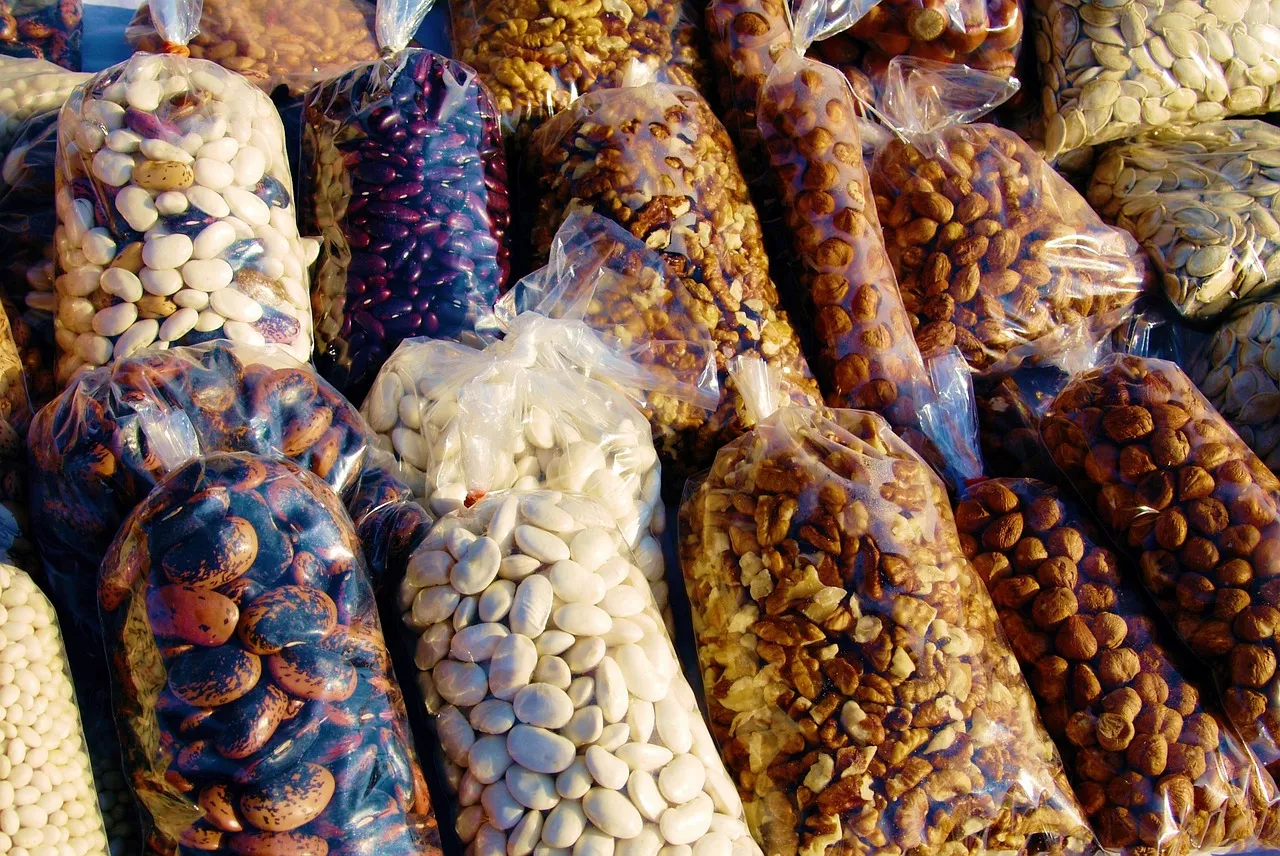
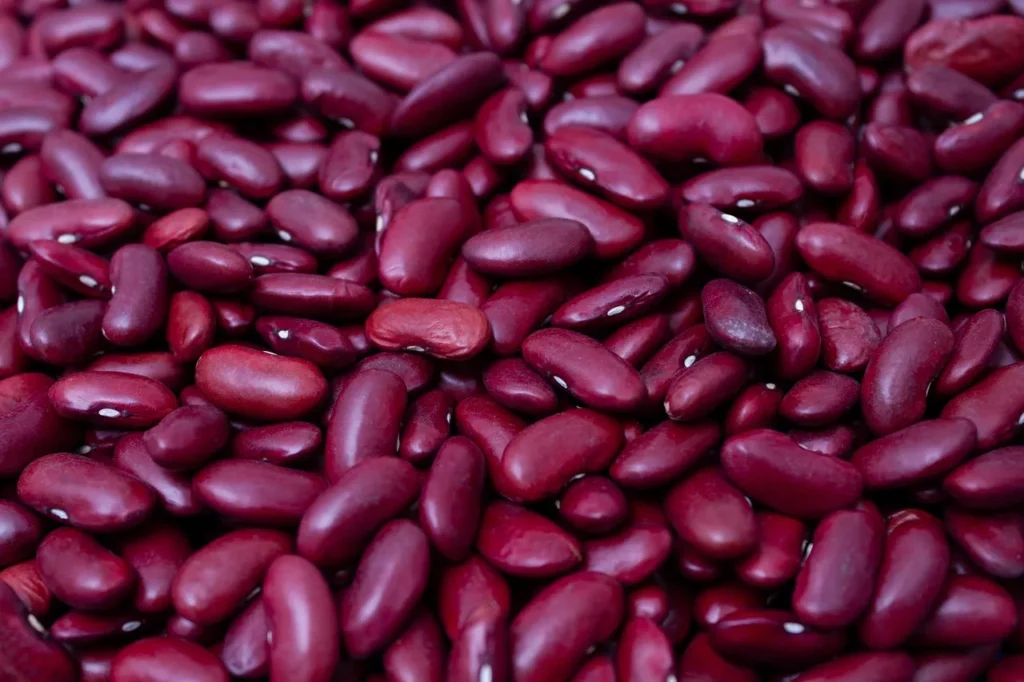
Vegetable seeds—the reproductive units of plants that give rise to vegetables—are fundamental to agricultural productivity. They contain the essential genetic material that determines crop traits such as yield potential, disease resistance, color, flavor, and shelf life. Typical types include seeds for tomatoes, peppers, cucumbers, beans, lettuce, spinach, onions, and carrots. For both commercial farmers and home gardeners, access to high-quality vegetable seeds is critical because performance at the seed stage directly influences the success of the entire crop cycle.
Modern vegetable seeds often include hybrid varieties, which are bred for specific performance characteristics, and genetically modified (GM) varieties, which incorporate targeted traits such as pest resistance or tolerance to environmental stresses. These advancements help farmers improve production efficiency, reduce post-harvest losses, and maintain consistent quality even under challenging climatic conditions. As global populations rise and urbanization accelerates, the demand for nutritious, fresh vegetables continues to increase, strengthening the importance of advanced vegetable seeds in commercial agriculture.
Market Growth Drivers
Several key factors are contributing to the robust growth trajectory of the vegetable seed market:
1. Expanding Global Population and Urbanization
The growing global population is intensifying the demand for a reliable and diverse supply of vegetables. Urbanization has further fueled this demand as city dwellers increasingly seek fresh, conveniently accessible, and nutrient-dense foods. These demographic shifts are pushing commercial growers to adopt high-yield, efficient seed varieties to meet rising consumption needs.
2. Technological Advances in Seed Breeding
The adoption of hybrid, GM, and bioengineered seeds is accelerating due to their ability to deliver higher yields, enhanced resistance to pests and diseases, drought tolerance, and longer shelf life. Enhanced seed technologies also help farmers reduce pesticide usage, lower production risks, and increase profitability.
3. Growth of Greenhouse, Protected, and Commercial Farming
Developing countries across Asia, the Middle East, and Latin America are witnessing a notable rise in protected cultivation systems such as greenhouses and polyhouses. These controlled environments increase productivity and enable year-round cultivation, boosting the demand for specialized vegetable seeds suited for protected agriculture.
4. Government Support and Agricultural Policies
Governments around the world are investing in agricultural research, seed quality certification programs, and farmer training initiatives. Subsidies for high-quality seeds, support for seed banks, and public-private research collaborations are helping strengthen seed distribution networks and encourage adoption of improved seed varieties.
5. Growing Interest in Organic and Healthy Diets
Health-conscious consumers are increasingly seeking organic and chemical-free vegetables, driving demand for specific seed varieties—such as heirloom, open-pollinated, and organic-certified seeds. This trend is creating niche opportunities for seed companies to develop and market specialized varieties tailored to sustainable and organic farming.
6. Innovations in Precision Agriculture
Technologies such as seed coating, microencapsulation, digital soil mapping, and precision planting equipment are supporting the global vegetable seed market. Seed coating, for example, enhances uniform germination and improves nutrient uptake, while precision planting tools ensure accurate spacing and reduced seed wastage.
Recent Developments in the Vegetable Seed Industry
The vegetable seed industry has seen a series of notable mergers, acquisitions, licensing partnerships, and strategic expansions aimed at strengthening market presence and fostering innovation. The following are key developments:
Syngenta Crop Protection & Gowan SeedTech (January 2025)
In January 2025, Syngenta Crop Protection announced the sale of its FarMore Technology Vegetable Seed Treatment Platform in the United States to Gowan SeedTech LLC. The transaction, finalized on December 30, 2024, includes trademarks, formulations, and regulatory registrations associated with the FarMore technology suite. Despite the sale, Syngenta will continue supplying patented seed treatment formulations as part of a long-term agreement. Both companies also committed to collaborating closely to facilitate a smooth transition for distributors and farmers, ensuring uninterrupted availability of seed treatment solutions.
Syngenta Vegetable Seeds & Emerald Seed Co. (March 2024)
In March 2024, Syngenta Vegetable Seeds entered into a licensing agreement with Emerald Seed Co., granting Syngenta exclusive access to Emerald’s extensive onion germplasm. Emerald Seed Co., known for more than two decades of expertise in onion breeding, brings valuable genetic diversity and breeding capabilities to Syngenta’s portfolio. This partnership will help Syngenta develop advanced onion varieties with enhanced yield, disease resistance, and adaptability to different growing conditions.
Sakata Seed Corporation Acquires Isla Sementes (October 2024)
In October 2024, Sakata Seed Corporation acquired Isla Sementes LTDA and its parent company Spalding for 63.5 million Brazilian real (approximately USD 10.58 million). With this acquisition, Sakata strengthens its foothold in the Brazilian market, particularly among smallholder farmers and the rapidly growing home gardening sector. The company anticipates achieving synergies worth 15 million Brazilian real over the next five years through integrated sales networks, improved product distribution, and shared innovation resources.
Source Link:https://www.businesswire.com/