
Six trends transforming agriculture, food, and energy in 2026
Agriculture, food, and energy are evolving faster than ever. In 2026, the shift is driven by a clear demand – customers want reliable supply, smarter innovation, and stronger sustainability credentials. From AI-powered plantations and new food textures to renewable fuels and regenerative farming, change is redefining how grow, eat, and power our lives. At GAR, we’re moving with these trends and helping customers stay ahead of them with solutions that bring performance, quality, and sustainability together.
AI in the fields: From analysis to action
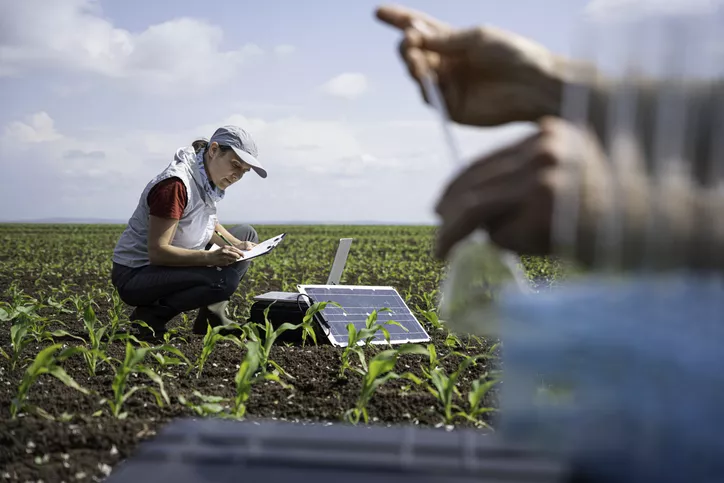
Customers increasingly expect partners who can deliver efficiency and consistency, backed by technology. That’s why AI is reshaping how crops are managed. What once took hours of manual checks can now be tracked and improved in real time.
At GAR, AI supports faster, smarter decisions in the field. Through Smart Step Harvesting, we track harvester movement across plantations on digital maps. Missed areas are flagged instantly, allowing teams to step in before fruit is lost. Supervision has shifted from reactive to proactive, and that means more reliable output for our customers.
We’re also raising quality standards with AI-powered fruit grading. Harvesters use mobile devices to assess ripeness, ensuring only mature, high-quality fruit enters the mill.
These tools don’t just make work faster; they make it smarter,” says Rudy P. Napitupulu, Head of Operations Transformation Division. “They help our teams focus on what matters most: getting better results together.
Mouthfeel makes the difference
In food manufacturing, quality now means more than flavour. Customers want products that balance indulgence, health, and clean-label appeal without losing that “feel-good” factor.
Texture has become the bridge between enjoyment and trust. It’s what makes a chocolate melt smoothly or a topping taste creamy without dairy.
GAR’s palm-based specialty fats help food producers achieve this balance. In chocolate, they create a sharp snap and smooth melt. In creamers and toppings, they build body and silkiness. In ice cream, they bring long-lasting creaminess that stays consistent that stays consistent even after reformulation.
“We design each fat to balance functionality with sensory delight,” says Mochammad Hirza Nadia, Fat-Based Product Senior Technologist at GAR. “Whether it’s a cocoa butter substitute that melts perfectly, or a milk fat replacer that adds creamy depth, the goal is to help our customers deliver foods that people love.”
For food brands, consumer satisfaction drives loyalty. For us, that means engineering ingredients that make every product stand out.
Plant-based ingredients move beyond the plate
Customers today are broadening their portfolios beyond food. Personal care and cosmetic brands are moving towards plant-based ingredients that perform well, feel good, and come from traceable, renewable sources.
Palm-derived oleochemicals support this shift. GAR supplies fatty acids, glycerine, and soap noodles made from renewable feedstocks, giving formulators the consistency, purity, and performance, they look for when creating beauty, hygiene, and household products. These ingredients help improve texture, stability, and mildness, while meeting rising expectations for sustainability and responsible sourcing.
“Formulators no longer choose between natural and effective,” says Christopher Lee, Head of Sales and Marketing for Oleochemicals at GAR. “They want both. That’s where our oleochemicals stand out – reliable in quality, adaptable for different applications, and backed by responsible production.”
Biofuels keep gaining ground
In 2026, energy customers are under growing pressure to meet climate targets and cut carbon intensity. Many are turning to renewable fuels that can scale fast – and palm-based biofuels are part of that answer.
The International Energy Agency (IEA) expects global demand to rise nearly 30% by 2028. In Indonesia, the B40 mandate, requiring diesel to contain 40% biodiesel, shows how a focus on renewable feedstocks can strengthen both economy and energy security.
Biofuel is about more than green energy,” says Hariyadi Imam Santoso, General Manager for Biodiesel Commercial at GAR. “For Indonesia, it’s about energy security and building something sustainable with what we have.”
GAR’s two biodiesel plants in Java and South Kalimantan produce over one million tonnes of fuel each year. By refining Crude Palm Oil into Fatty Acid Methyl Esters (FAME), we create renewable fuel that cuts lifecycle emissions by up to 60% compared to fossil diesel.
Climate-friendly farming becomes standard
Across industries, customers are demanding supply chains that are measurable, low-carbon, and transparent. Climate-smart agriculture has become the new baseline.
At GAR, we see this as both duty and differentiator. Our Net Zero Roadmap commits to cutting FLAG emissions by 30% and achieving net zero by 2050.
We’re restoring peatlands, protecting 79,000 hectares of conservation areas, and expanding renewable energy use. 92% of our upstream energy already comes from renewables, mainly biomass. By using by-products like palm kernel shells, expeller, and fibre to power boilers, and capturing methane from Palm Oil Mill Effluent (POME), we turn waste into clean energy.
Beyond our operations, we work with suppliers to measure emissions, verify NDPE compliance, and co-develop reduction plans. Through Sawit Terampil, we train smallholders to grow more with fewer inputs, showing that sustainable farming can boost both productivity and livelihoods.
We operate in one of the most climate-vulnerable sectors, but that also gives us the chance to lead,” says Anita Neville, Chief Sustainability & Communications Officer. “Sustainability is how we build resilience and secure the future of farming.
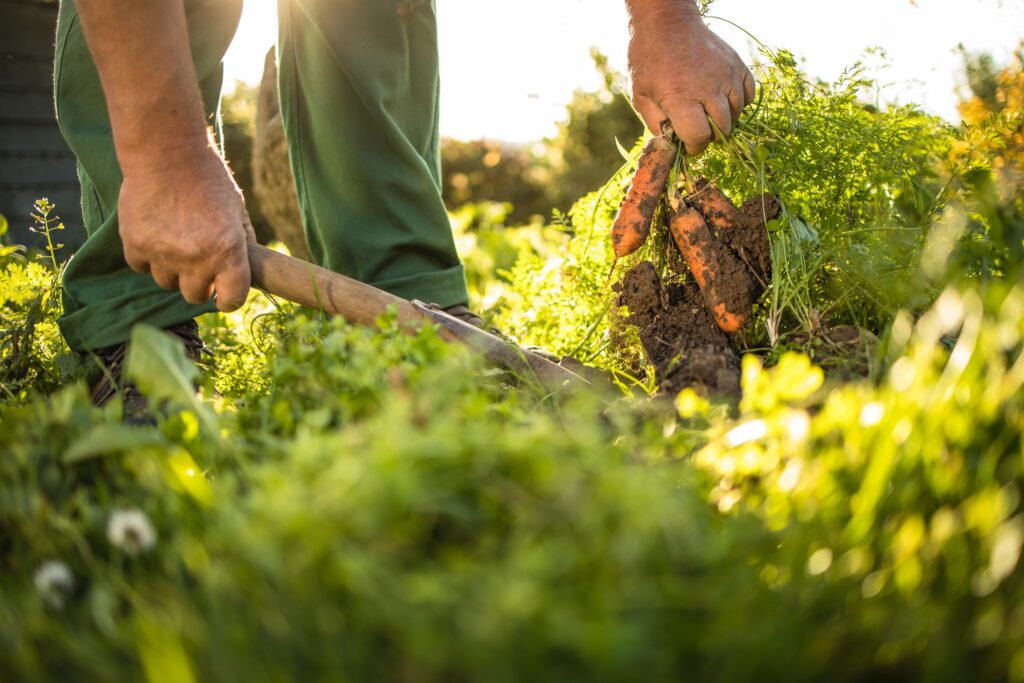
Regenerative agriculture is growing fast as customers and investors look for tangible ecosystem impact. The idea is simple: farm in ways that restore the land, protect biodiversity, and strengthen communities.
In palm oil, regeneration builds on what already woks. For years, plantations have applied Good Agriculture Practices, from careful soil and water management to natural pest control. These efforts already deliver outcomes that regenerative farming aims for: healthy soils, resilient yields, and thriving ecosystems.
The focus now is on outcomes. Regenerative agriculture measures success through living soil, cleaner water, and stronger livelihoods. Collaboration is key – aligning growers, buyers, and communities together to align goals and scale impact.
The palm sector is well placed to lead, with decades of partnerships among producers, NGOs, and governments.
At GAR, we’re working with partners to develop solutions for palm landscapes – from intercropping and biomass recycling to peat and water management. For customers, that means sourcing from a supply chain that gives back more than it takes.
Source link: https://www.goldenagri.com.sg/