

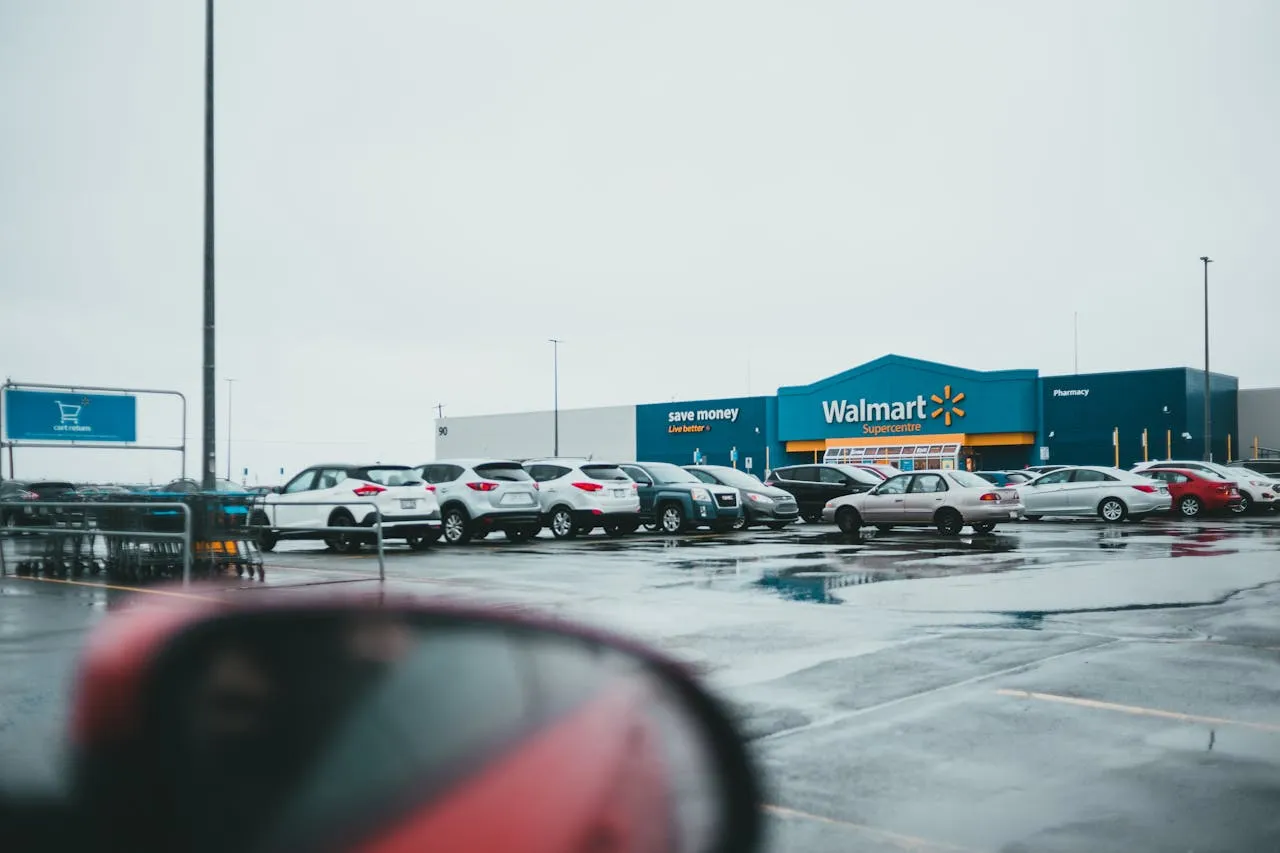
Walmart Grocery Penetration Hits Record 72% Amid Rising Financial Insecurity
U.S. consumers have propelled Walmart’s grocery penetration to a record 72% as financial insecurity rises among Americans aged 18–54, according to Wave 12 of the dunnhumby Consumer Trends Tracker (CTT) released today. This represents a significant 6 percentage-point increase year over year, marking the largest growth in penetration among all U.S. retailers.
Walmart now serves over 190 million Americans each month, 2.5 times the reach of second-place Dollar General, which stands at 28.6%. The data reflects how Walmart continues to dominate the mass-retail grocery landscape, attracting millions of consumers amid ongoing affordability pressures.
Mass-Channel Retailers Reach Parity With Traditional Supermarkets
The quarterly study highlights a critical shift in American grocery shopping: mass-channel retailers, such as Walmart, Target, and major dollar stores, have now equaled traditional supermarkets at 79% penetration. This milestone signals a structural change in consumer behavior, largely driven by persistent cost concerns and the need for more affordable shopping options.
Since the debut of the CTT in April 2022, mass-channel retailer penetration has increased by five percentage points. This growth reflects millions of households adjusting their shopping patterns, prioritizing affordability over traditional brand loyalty or store preference.
Dollar Stores Surge in Popularity
Dollar stores have experienced a remarkable increase in penetration, reaching 42% for the first time and surpassing club stores such as Costco and Sam’s Club. Dollar General, Dollar Tree, and Family Dollar each recorded gains of 4–6 percentage points year over year. This trend highlights the growing importance of discount retailers as financial pressures deepen across U.S. households.
“We are seeing that U.S. households are realigning where they shop based on affordability,” said Matt O’Grady, President of the Americas for dunnhumby. “Unlike the inflation spike of 2023, consumer concern persists even as overall inflation moderates. People are feeling financial stress regardless of macroeconomic indicators. This impacts not only where they shop, but also how they use coupons, adopt technology, and even engage with AI tools.”
O’Grady emphasized that entrenched financial insecurity means grocery affordability has become a key driver of shopping behavior that is unlikely to revert quickly.
Financial Insecurity Across Age and Income Groups
The study found that 70% of working-age Americans (18–54) report difficulty covering an unexpected $400 expense. Financial strain is most severe among lower-income households, with 71% of those earning under $50,000 facing challenges. Families with children are also disproportionately affected, with 67% reporting financial insecurity.
Even middle- and upper-income households report significant difficulties: 48% of those earning between $50,000 and $100,000 and 36% of households earning more than $100,000 experience financial strain. Seniors remain relatively stable, with only 30% over the age of 65 struggling to cover emergency expenses.
Food Insecurity Rising Among Working-Age Adults
Food insecurity is a growing concern for U.S. households. Nearly 40% of Americans aged 45–54, the highest rate of any age group, have experienced food insecurity. One in three families with children also faces challenges accessing sufficient food. Regional disparities are notable, with the South Central region at 34% and the West at 32%, compared with just 22% in the Northeast.
Food insecurity is defined in this study as reducing meal size or skipping meals due to financial hardship. Notably, working-age adults face food insecurity at more than four times the rate of seniors, underlining the unique pressures on households still supporting children or navigating early- to mid-career stages.
Perceptions of Food Inflation Remain High
U.S. consumers perceive food inflation to be 19.6%, nearly eight times the actual rate of 2.4% as of December 2025. Households earning under $50,000 perceive inflation at 23.6%, almost 10 times the real rate. These perceptions continue to influence shopping behavior, encouraging consumers to seek affordability and adjust purchasing patterns despite actual market trends.
Shifts in Shopping Behavior During the Holiday Season
Despite ongoing financial pressure, the holiday season saw a slight pullback in aggressive price-seeking behavior. Shopping at low-price stores declined by 2.1 percentage points, while premium purchases dropped by 1.5 percentage points. At the same time, bulk buying increased by 1.3 percentage points, suggesting that consumers are balancing selective spending with long-term savings strategies, such as stockpiling essentials.
Loyalty Programs and Coupon Redemption on the Rise
Nearly half of U.S. shoppers (47%) now redeem coupons through store loyalty programs, representing a 2.5 percentage-point increase from Wave 11. Additionally, 52% actively identify themselves to claim rewards, reflecting a growing emphasis on maximizing value at checkout.
Consumers continue to seek discounts on frequently purchased items, with 68% actively looking for deals and 62% expecting stores to offer abundant promotions. This demonstrates the strategic, value-driven approach that has become increasingly characteristic of modern American grocery shopping.
AI Adoption for Grocery Shopping Remains Limited
Despite the growing availability of AI-driven shopping tools, only 15% of U.S. consumers report using AI for grocery shopping. The main barriers are trust and perceived necessity: 38% of respondents see no need for AI, and 37% prefer making their own decisions.
U.S. consumers exhibit greater distrust in AI recommendations (19%) compared with the broader Americas average (12%). Among early adopters, the primary use of AI is for creating shopping lists (13%), followed closely by price comparison (12%), a pattern unique to the U.S. market.
Study Methodology
The Consumer Trends Tracker (CTT) by dunnhumby tracks consumer shopping behavior, including where people shop, spending patterns, grocery priorities, food security, and perceptions of inflation. It complements dunnhumby’s Retailer Preference Index, released every January.
Wave 12 included a module on AI adoption for shopping and gathered responses from 8,500 grocery shoppers across Canada, Brazil, Colombia, Mexico, Chile, and the U.S. Online interviews took place in December 2025, with the prior wave conducted in August 2025.
Source link: https://www.businesswire.com/