
Europe Welcomes Strawberry Season
As winter gradually loosens its grip across Europe, a vibrant sign of spring begins to appear on market stalls and supermarket shelves: fresh strawberries. From early March onward, European producers start harvesting the first batches of the season, marking a highly anticipated moment for consumers eager to enjoy the fruit’s bright flavor and aroma. Among the earliest and most celebrated varieties is the Gariguette, often referred to as the queen of French strawberries.
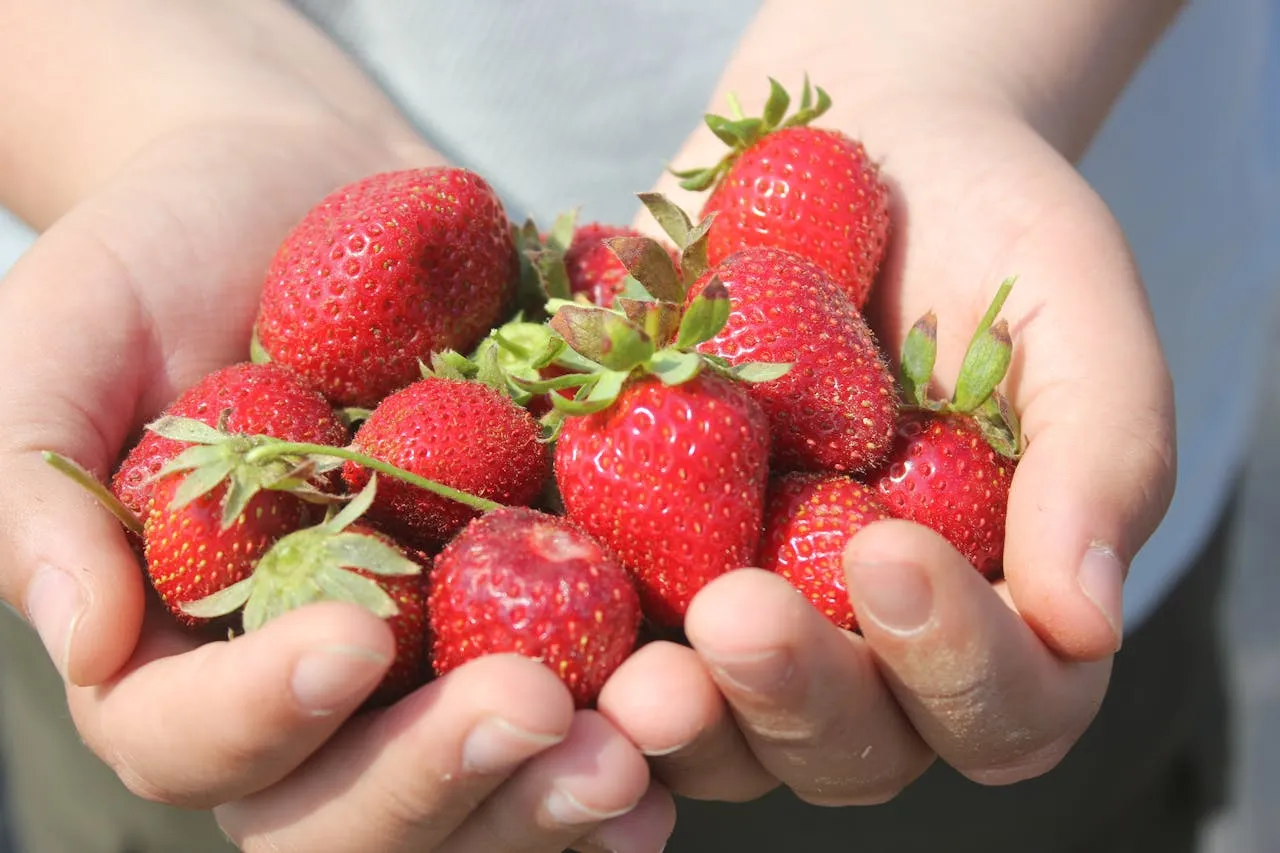
Cultivated primarily in France, the Gariguette stands out for its distinctive elongated shape, glossy bright red color, and delicate balance between sweetness and tanginess. Its deep, fragrant aroma and tender flesh make it a favorite among chefs and home cooks alike. For many Europeans, the arrival of Gariguette strawberries signals not only a seasonal shift but also a return to fresh, light, and colorful cuisine.
The Gariguette: A Symbol of Spring
The Gariguette strawberry is more than just a fruit; it is a seasonal icon. Developed in France in the 1970s, this variety quickly gained popularity for its refined taste profile and attractive appearance. Unlike some larger, firmer varieties bred for long transport and shelf life, Gariguette strawberries are appreciated for their flavor intensity and delicate texture.
Their elongated, slightly conical form and vivid red hue make them instantly recognizable. When perfectly ripe, they offer a harmonious blend of sweetness and gentle acidity, complemented by a pronounced aromatic note that distinguishes them from standard supermarket strawberries. Because of these qualities, Gariguette strawberries are often enjoyed fresh and minimally processed, allowing their natural flavor to shine.
Smart Shopping: How to Choose and Handle Strawberries
European producers emphasize that enjoying strawberries at their best begins at the point of purchase. The first practical tip is surprisingly simple: place strawberries at the top of your shopping basket. This helps prevent them from being crushed under heavier items, which can damage their delicate flesh and accelerate spoilage.
When selecting strawberries, look for fruit that is evenly colored, bright red, and free from bruises or mold. The green caps, or calyxes, should appear fresh and vibrant rather than wilted. A fragrant aroma is another indicator of ripeness and flavor.
Because strawberries are highly perishable, it is advisable to buy them in quantities that can be consumed within a short period. Unlike some fruits that continue ripening after harvest, strawberries do not significantly improve in sweetness once picked. Therefore, freshness at purchase is key to optimal taste.
Proper Storage for Maximum Freshness
Once home, proper storage becomes essential to preserve the strawberries’ quality. Producers recommend storing them in the crisper drawer of the refrigerator, where humidity levels are slightly higher and temperatures are stable. However, refrigeration should be considered a temporary solution rather than a long-term one.
Strawberries are best enjoyed as soon as possible after purchase—ideally within one to two days. Even under ideal conditions, they remain delicate and prone to rapid deterioration. To extend their shelf life slightly, avoid washing them before storage, as excess moisture encourages mold growth. Instead, keep them dry until just before consumption.
If the strawberries are sold in a plastic punnet, consider removing any visibly damaged fruit immediately. A single moldy berry can quickly affect the others. Spreading them out gently on a plate lined with paper towel can also help absorb excess moisture and reduce spoilage.
Preparing Strawberries: Simple Yet Essential Tips
Before eating strawberries, allow them to sit at room temperature for approximately twenty minutes. This step is often overlooked but makes a significant difference in flavor. Cold temperatures can dull the fruit’s natural sweetness and aroma. By bringing them slightly closer to room temperature, their full sensory profile is restored.
When it comes to washing, less is more. Avoid soaking strawberries in water, as this can cause them to absorb moisture and lose flavor and texture. Instead, rinse them quickly under a gentle stream of cold water just before serving. Pat them dry carefully with paper towel to prevent excess moisture.
Another commonly discarded part of the strawberry—the green stem and leaves—can actually be put to good use. These stems contain beneficial plant compounds and can be added to smoothies or infused in hot water to create a light, subtly flavored herbal drink. Incorporating the entire fruit not only reduces waste but also maximizes nutritional value.
Culinary Versatility: From Desserts to Savory Dishes
One of the reasons the Gariguette is so beloved is its versatility in the kitchen. Its balanced sweetness and acidity make it suitable for a wide range of recipes, both sweet and savory.
In desserts, strawberries are a timeless classic. They are essential in traditional preparations such as charlotte, where layers of sponge and fruit create an elegant presentation. They also pair beautifully with crêpes and whipped cream, a simple yet indulgent treat that highlights their natural flavor. Tarts, mousses, and shortcakes are equally enhanced by the bright color and aroma of fresh strawberries.
On the savory side, strawberries add a refreshing contrast to leafy green salads. Combined with ingredients such as goat cheese, nuts, and a light vinaigrette, they introduce sweetness and acidity that elevate the overall dish. They can also be incorporated into salsas, paired with grilled poultry, or used as a garnish for cold soups.
Their adaptability allows them to move seamlessly from breakfast bowls and smoothies to elegant dinner plates, reinforcing their status as a culinary staple of the spring season.
Nutritional Benefits: Small Fruit, Big Impact
Beyond their flavor and versatility, strawberries offer impressive nutritional benefits. A single 100-gram serving provides a substantial portion of the recommended daily intake of vitamin C, a powerful antioxidant that supports immune function and skin health.
Strawberries are also a source of folic acid (vitamin B9), which plays a crucial role in cell growth and metabolism. Their dietary fiber content aids digestion and contributes to a feeling of fullness, making them a satisfying yet low-calorie snack. In addition, strawberries contain natural polyphenols—bioactive compounds associated with antioxidant and anti-inflammatory properties.
These nutritional attributes make strawberries not only a seasonal pleasure but also a valuable component of a balanced diet.
Promoting Healthier Eating Across Europe
The health benefits of strawberries and other fresh produce are central to the “A Healthier Europe” project. This initiative was launched by AOPn Fraises Framboises de France in collaboration with the Spanish organizations +BRÓCOLI and Alcachofa de España.
The project’s primary goal is to encourage greater consumption of fresh fruits and vegetables throughout Europe. It aligns with the recommendation of the World Health Organization (WHO), which advises a daily intake of 400 grams of fruits and vegetables per person. By highlighting both the sensory appeal and nutritional value of seasonal produce such as strawberries, the initiative aims to inspire healthier dietary habits.
Increasing awareness of proper storage, preparation, and creative culinary uses also helps consumers reduce food waste and maximize the benefits of fresh produce.
A Seasonal Delight Worth Savoring
As Europe transitions into spring, strawberries—especially the Gariguette—offer a reminder of the pleasures of seasonal eating. From careful shopping and storage to thoughtful preparation and imaginative cooking, small steps can significantly enhance the experience of this delicate fruit.
Whether enjoyed fresh from the punnet, layered into a classic dessert, or tossed into a vibrant salad, strawberries bring together flavor, nutrition, and a sense of renewal. Their arrival each March is more than a change in produce availability—it is a celebration of spring’s return and a delicious opportunity to embrace healthier eating habits.
Source link: https://www.businesswire.com/n