The global water crisis is often described as a shared challenge, but in reality, its impacts are unevenly distributed across societies. A major international campaign led by UNICEF and UN Women brings this disparity into sharp focus, emphasizing that while water scarcity affects entire populations, women and girls bear a disproportionate share of the burden. The campaign’s message for 2026—centered on the theme “Water and Gender: Where Water Flows, Equality Grows”—calls for a transformative shift toward inclusive water governance that actively integrates women’s leadership at every level of decision-making.
Across many parts of India, the signs of a deepening water crisis are becoming increasingly evident. Borewells that once sustained villages are running dry, groundwater levels are steadily declining, and seasonal water shortages are turning into year-round challenges. These environmental stresses translate into daily hardships for millions, but especially for women and girls, who are often responsible for collecting water for household needs. Long walks to distant water sources, time lost from education or income-generating activities, and exposure to health and safety risks are just some of the consequences they face.
This unequal burden highlights why the 2026 focus on water and gender is both timely and essential. Access to safe and reliable water is not merely a matter of infrastructure—it is closely tied to dignity, opportunity, and equality. When water is readily available, women can pursue education, participate in economic activities, and contribute more fully to community development. In this way, improving water access becomes a catalyst for broader social transformation.
Recognizing the urgency of the issue, the Government of India has been scaling up key initiatives aimed at improving water security and management. Programmes such as Jal Jeevan Mission and Atal Bhujal Yojana are at the forefront of this effort. These initiatives seek not only to expand access to safe drinking water but also to promote sustainable groundwater management practices.
A particularly significant shift within these programmes is the adoption of village-level water budgeting. This approach empowers communities to assess their available water resources, track consumption patterns, and develop strategies for sustainable use. By making water data accessible and actionable at the local level, water budgeting fosters a sense of ownership and accountability among community members. Importantly, it also creates space for women to participate in decision-making processes that directly affect their lives.
Embedding women’s voices in water governance is not just a matter of fairness—it leads to better outcomes. Evidence from various development initiatives shows that when women are actively involved in planning and managing water systems, services tend to be more inclusive, efficient, and sustainable. This aligns closely with global development priorities, particularly United Nations goals such as Sustainable Development Goal 6 (clean water and sanitation) and Sustainable Development Goal 5 (gender equality). By linking water security with gender empowerment, the 2026 campaign underscores the interconnected nature of these objectives.
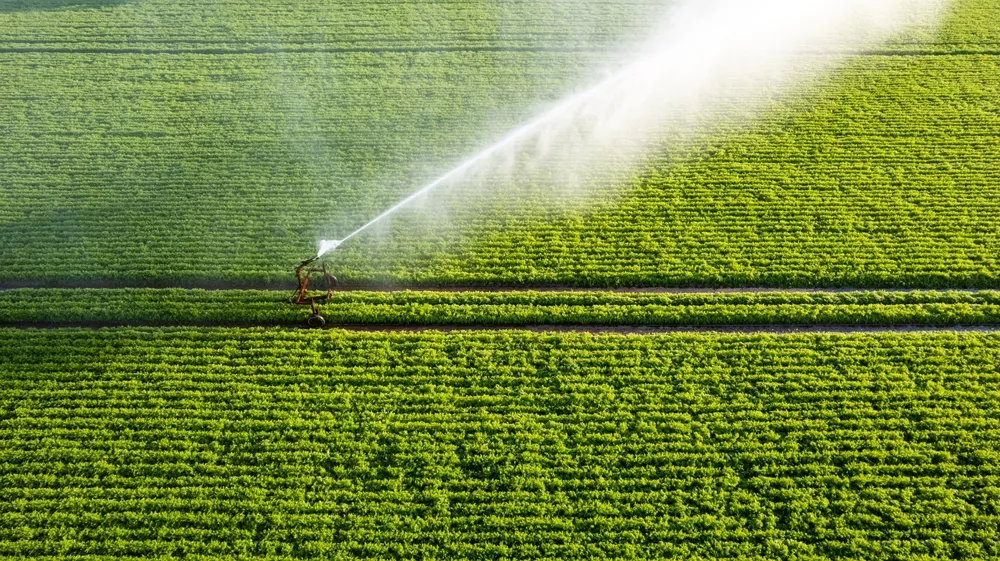
Agriculture, which accounts for nearly 80% of India’s water use, is another critical area where change is urgently needed. Traditional irrigation practices, coupled with water-intensive crop choices, have placed immense pressure on already strained water resources. Transitioning to more efficient and sustainable agricultural practices is therefore essential for ensuring long-term water security.
Encouraging farmers to adopt techniques such as drip irrigation, rainwater harvesting, and soil moisture conservation can significantly reduce water consumption. Additionally, promoting crop diversification based on local agro-climatic conditions helps align agricultural practices with available water resources. These changes not only protect aquifers but also have a direct impact on gender equality. When water resources are managed more efficiently, the time and effort women spend coping with scarcity are reduced, freeing them to pursue education, livelihoods, and leadership roles.
The role of businesses in addressing the water crisis is equally important. As major users of water resources, companies have both a responsibility and an opportunity to contribute to sustainable water management. Hindustan Unilever Limited, through the Hindustan Unilever Foundation, provides a notable example of how the private sector can support water stewardship efforts.
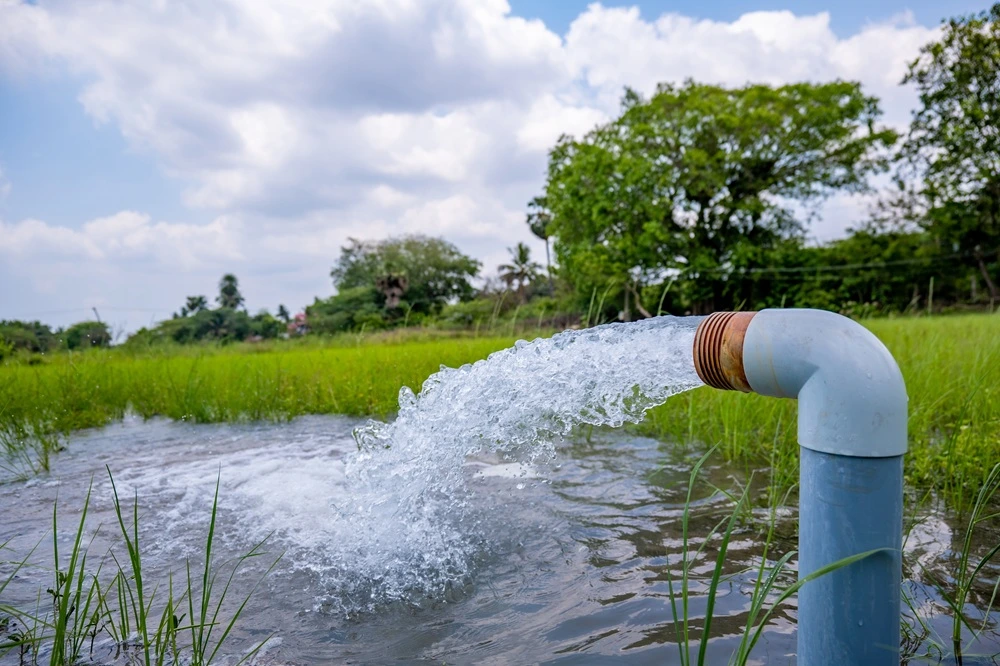
The foundation has set an ambitious goal of positively impacting 100 water-stressed locations by 2030. To achieve this, it collaborates with governments, non-governmental organizations, and local communities on a range of initiatives. These include restoring and rejuvenating local water bodies, recharging groundwater through watershed management, supporting water quality monitoring systems, and promoting sustainable sourcing practices that are aligned with local water realities.
A key aspect of these efforts is the emphasis on women’s participation and leadership. By involving women in planning, implementation, and monitoring activities, these programmes ensure that solutions are grounded in the lived experiences of those most affected by water scarcity. This approach not only enhances the effectiveness of interventions but also contributes to long-term social and economic empowerment.
Looking ahead, building a water-resilient and gender-equal future for India will require a fundamental shift in how water is valued and managed. It calls for moving beyond short-term solutions toward integrated strategies that consider environmental sustainability, social equity, and economic development. Managing every drop of water efficiently and ensuring that every voice—especially those of women and marginalized groups—is heard in decision-making processes are essential steps in this direction.
The convergence of government action, community engagement, and business leadership offers a powerful pathway for addressing the water crisis. When these stakeholders work together with a shared commitment to inclusivity and sustainability, it becomes possible to restore depleted aquifers, secure reliable water supplies for households and agriculture, and create new opportunities for communities to thrive.
Ultimately, the vision articulated by World Water Day 2026 is both simple and profound: when water flows safely and sustainably, it nurtures not just ecosystems and economies, but also equality and human potential. By placing women at the center of water governance, the campaign highlights a critical truth—that solving the water crisis is inseparable from achieving gender justice. In doing so, it offers a roadmap for a future where access to water becomes a foundation for dignity, opportunity, and shared prosperity for all.
Source Link:https://www.hul.co.in/