
Supersweet Corn Drives Sustainable Value at Ajinomoto
The Ajinomoto Group is advancing a powerful model of sustainable food production through its bio-cycle approach—an initiative that transforms by-products into valuable agricultural resources rather than waste. This philosophy is deeply embedded in the production of its iconic AJI-NO-MOTO, which is derived from natural sugarcane. Instead of discarding residual materials, the company returns them to the soil as fertilizer, enriching farmland and promoting a regenerative cycle of production.
This same sustainability-driven mindset extends to Knorr products in Japan, particularly the popular Knorr Cup Soup. Unlike in other regions, Knorr operates under the Ajinomoto Group in Japan, allowing for localized innovation tailored to both consumer preferences and environmental responsibility. A standout example is the use of supersweet corn in Knorr Cup Soup, where not only the kernels but the entire plant is utilized within a circular system.
From Field to Cup: A Precision-Driven Process
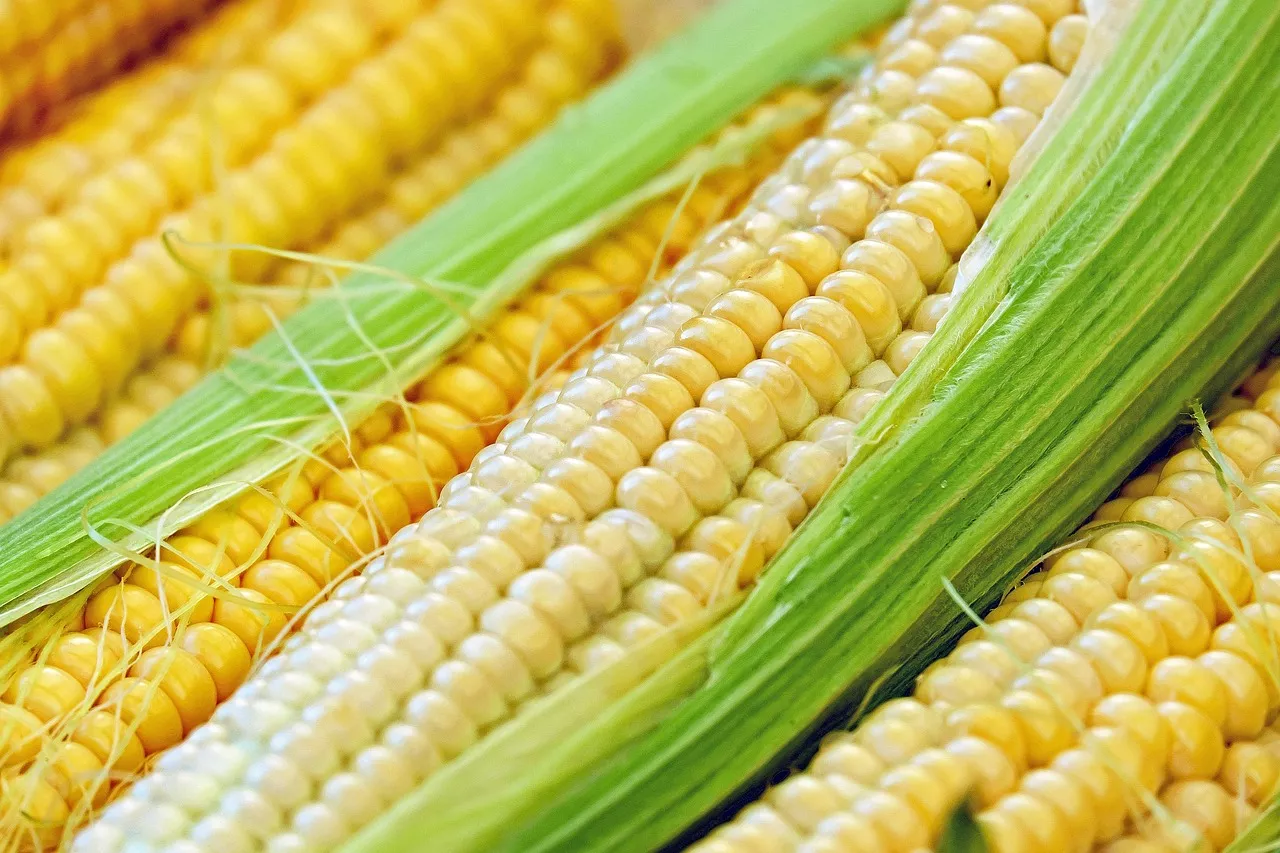
The journey of Knorr Cup Soup begins with a unique agricultural challenge. Supersweet corn, prized for its rich flavor and high sugar content, reaches peak quality for only about one week each year. This narrow harvesting window demands precise coordination between farmers and production facilities to ensure optimal taste.
Once harvested, the corn is immediately transported to processing plants to preserve its freshness. Corn is particularly sensitive to time, as its sugar content begins to decline rapidly after harvest. To maintain its natural sweetness, the kernels are processed into powder within a very short timeframe.
Highly trained workers carefully select and cut the kernels by hand, ensuring only the best portions are used while leaving a small margin near the cob. The kernels are then mechanically mashed into a smooth paste, heated, and spread into thin sheets using large-scale drying equipment. After cooling, these sheets are finely ground into a silky powder made entirely from 100% supersweet corn.
This corn powder is then blended with a proprietary mix of ingredients—including starch, sugar, salt, butter, sautéed onion powder, and chicken extract—to create the signature creamy soup base. The scale of production is remarkable, with approximately 1.3 million servings of Knorr Cup Soup produced daily in Japan alone.
Turning By-Products into Resources
While the kernels are the star ingredient, the Ajinomoto Group ensures that no part of the corn plant goes to waste. Leaves, stalks, husks, and cobs—often discarded in conventional systems—are instead repurposed in a carefully designed circular model.
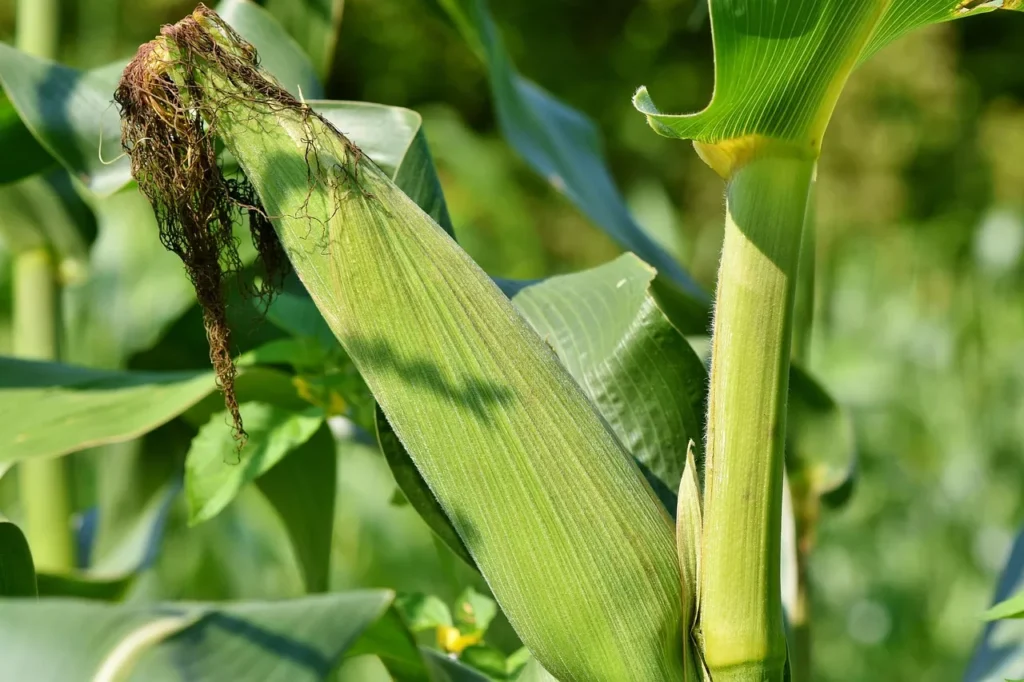
After harvest, the leaves and stalks are returned directly to the fields, where they act as green fertilizer. This natural process replenishes soil nutrients, improves soil structure, and supports future crop growth without relying heavily on synthetic inputs.
Meanwhile, the husks and cobs—amounting to approximately 6,500 tons annually—are used as feed for cattle. These by-products are rich in fiber and essential minerals, making them a nutritious addition to livestock diets. In turn, the manure produced by these cattle is collected and used as organic fertilizer for crops, completing a sustainable loop that connects crop farming and livestock production.
This integrated system not only minimizes waste but also strengthens agricultural resilience. By keeping resources in circulation for as long as possible, the Ajinomoto Group reduces environmental impact while supporting both farmers and ranchers.
Environmental Responsibility Beyond Ingredients
Sustainability efforts extend beyond raw materials and into manufacturing and packaging. A portion of Knorr Cup Soup packaging is made from paper sourced from responsibly managed forests, reflecting a commitment to sustainable forestry practices. Products using this packaging feature the company’s proprietary eco-label, signaling environmentally conscious design to consumers.
Production facilities also play a critical role in reducing environmental impact. The Kawasaki Plant, one of the main manufacturing sites for Knorr Cup Soup, has achieved a high environmental performance rating under Japan’s CASBEE (Comprehensive Assessment System for Built Environment Efficiency). This certification recognizes the plant’s energy efficiency and reduced greenhouse gas emissions.
The facility incorporates advanced temperature and heat management systems that adjust operations based on seasonal conditions, helping to minimize energy consumption. Water usage is also carefully controlled—only the necessary amount is used during production, and all wastewater is thoroughly treated before being returned to natural waterways.
In addition, the plant actively works to reduce emissions of chlorofluorocarbons (CFCs) and lower overall electricity consumption, further contributing to climate change mitigation efforts.
A Sustainable Bowl of Soup
The Ajinomoto Group’s approach demonstrates that sustainability and product quality can go hand in hand. By embracing a circular system that transforms agricultural by-products into valuable resources, the company not only reduces waste but also supports healthier ecosystems and more efficient food production.
Every serving of Knorr Cup Soup represents more than just convenience and flavor—it embodies a commitment to responsible sourcing, innovative processing, and environmental stewardship. From the careful harvesting of supersweet corn to the reuse of plant residues and eco-friendly manufacturing practices, each step reflects a broader vision of sustainable food systems.
Looking ahead, the Ajinomoto Group remains dedicated to expanding these initiatives. By continuously improving production processes, reducing environmental impact, and maximizing the value of raw materials, the company aims to create food products that are both delicious and aligned with the needs of the planet.
In this way, a simple cup of soup becomes part of a much larger story—one where sustainability is not an afterthought, but a core ingredient.
Source Link:https://www.ajinomoto.com/