
Vintage Exchange for Chinese Winemakers Concludes at Magill Estate
A three-week immersion program spanning South Australia’s most celebrated wine regions has successfully showcased the depth of innovation, research excellence, and global collaboration that defines the country’s wine industry during the 2026 vintage season. Bringing together leading figures from industry, academia, research institutions, and government, the initiative highlighted not only advanced viticultural and winemaking practices but also the growing strength of Australia–China relations within the global wine landscape.
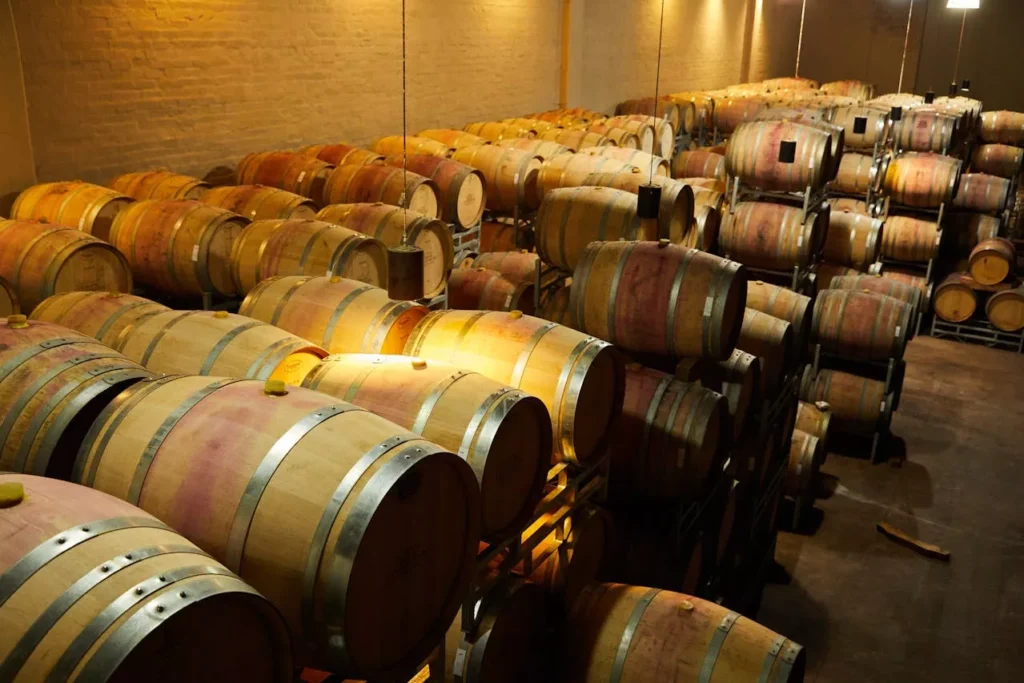
The program culminated in a closing event at Penfolds Magill Estate, where participants and stakeholders gathered to reflect on their experiences and discuss opportunities for future collaboration. Over the course of the immersion, Chinese winemakers Yang Zhe, Kou Yaqin, Cai Jieling, and viticulture expert Zheng Wei engaged deeply with Australia’s wine sector, gaining firsthand exposure to operations during one of the busiest and most critical periods of the winemaking calendar.
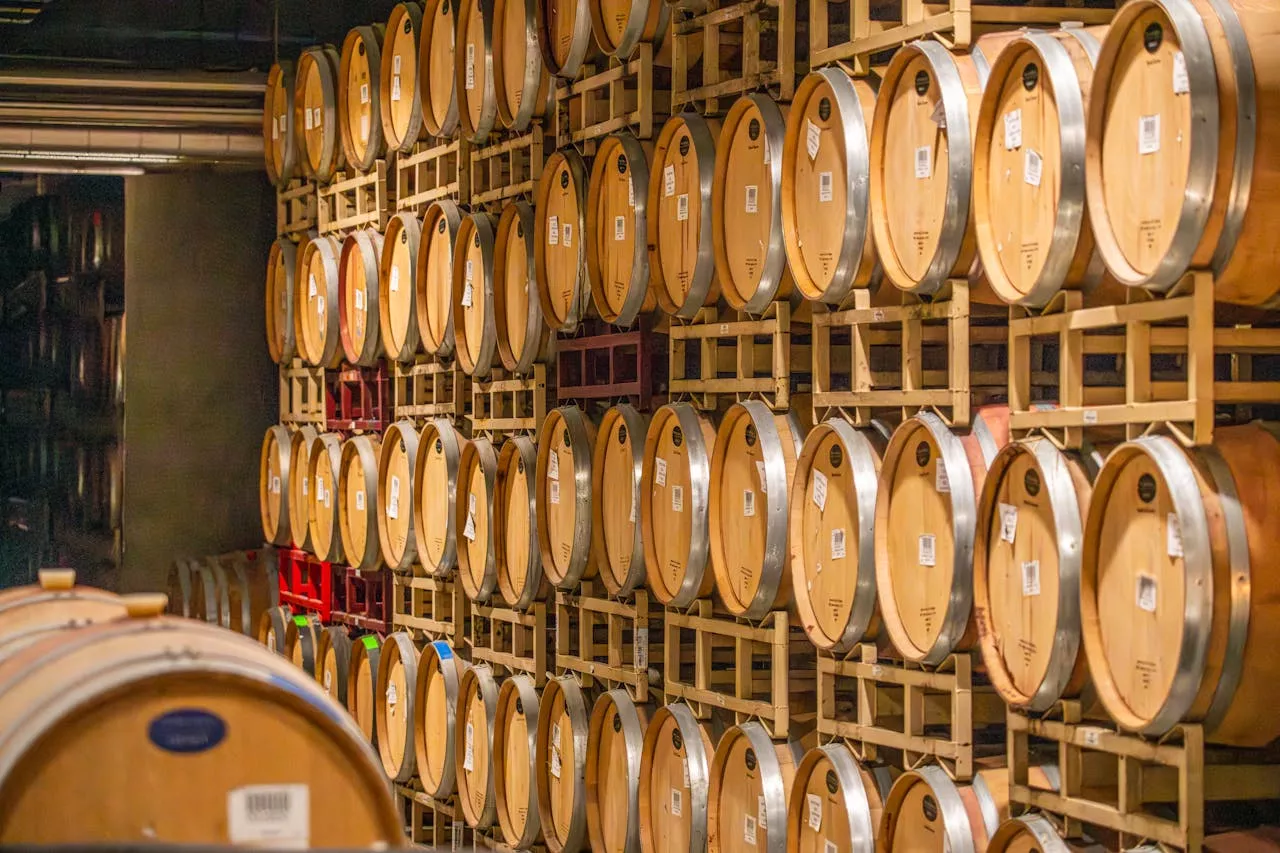
Throughout the three weeks, participants travelled across renowned regions including Barossa Valley and McLaren Vale, as well as Adelaide’s urban wine hubs. These visits provided a comprehensive understanding of vineyard management, grape harvesting, fermentation techniques, and winery operations. By participating directly in vintage activities, the group was able to observe the practical application of theory, gaining valuable insights into how Australian producers balance tradition with cutting-edge innovation.
Cai Jieling, Technical Director at Guangdong Sangchun Liquor Industry, remarked that the Australian wine sector stood out for its authenticity and commitment to its values. According to Cai, the experience demonstrated an industry that not only promotes sustainability, innovation, and quality but actively embeds these principles into everyday operations. This hands-on exposure was complemented by visits to cellar doors and wine tourism destinations, reinforcing Adelaide’s standing as one of the world’s Great Wine Capitals.
Beyond the technical aspects, the program also offered participants a rich cultural experience designed to deepen their understanding of regional Australia. Activities such as visiting a local country bakery, participating in a traditional pub trivia night, enjoying home-cooked meals paired with local wines, and encountering native wildlife provided a well-rounded perspective of Australian life. These experiences played a crucial role in fostering personal connections and cultural appreciation, which are essential components of long-term international collaboration.
A significant portion of the immersion was facilitated by Treasury Wine Estates, whose teams hosted participants across multiple sites. The group engaged with operations in vineyard management, supply chain logistics, packaging, sustainability initiatives, and advanced automation technologies. These interactions offered a behind-the-scenes look at how large-scale wine businesses integrate innovation and efficiency while maintaining product quality.
In addition to Treasury Wine Estates, several prominent South Australian producers contributed to the program, including Yalumba, Petaluma, Seppeltsfield, Auswan, and Mollydooker Wines. These wineries hosted vineyard tours, technical discussions, and cellar door experiences, allowing participants to explore diverse production styles and regional characteristics.
Academic and research engagement formed another cornerstone of the program. Visits to University of Adelaide’s School of Agriculture, Food and Wine and the Australian Wine Research Institute provided insight into the scientific advancements shaping the future of winemaking. Participants also interacted with key industry bodies such as Wine Australia and South Australian Wine Industry Association, gaining a deeper understanding of policy frameworks, research priorities, and sustainability strategies driving long-term industry growth.
Now in its second year, the Australia–China Winemaker Immersion Program represents a pioneering effort to strengthen international collaboration within the wine sector. Designed and delivered by Treasury Wine Estates, the initiative is supported by Australian Grape & Wine and the China Alcoholic Drinks Association. It also benefits from funding provided through the South Australian Government’s Wine Exporters China Re-engagement Support Program, underscoring its strategic importance in rebuilding and expanding trade relationships.
Kerrin Petty, Chief Supply and Sustainability Officer at Treasury Wine Estates, emphasized the program’s role in fostering knowledge exchange and building capability across both nations. She noted that participants demonstrated strong engagement throughout the program, gaining a comprehensive understanding of Australian viticulture and winemaking practices. The knowledge shared, she said, would contribute to innovation and growth within China’s wine sector while strengthening dialogue between industry and government stakeholders.
South Australia’s Minister for Primary Industries and Regional Development, Clare Scriven, highlighted the state’s global reputation for producing high-quality wines through innovative techniques. She reaffirmed the government’s commitment to strengthening ties with China and supporting initiatives that promote collaboration, knowledge exchange, and economic growth.
A key feature of the program’s conclusion was a roundtable discussion co-hosted by Treasury Wine Estates and the Australia China Business Council. The session brought together representatives from government, industry, and academia to explore evolving market dynamics, consumer trends, sustainability challenges, and technological advancements. Discussions also emphasized the importance of talent development and international exchange programs in driving future growth.
Distinguished guests at the event included Gao Feng, Minister Counsellor for Economic and Commercial Affairs at the Chinese Embassy in Australia, and Li Dong, Consul-General of China in Adelaide. Both officials underscored the importance of person-to-person and business-to-business connections in strengthening bilateral relations. Gao Feng commended the program for creating meaningful opportunities for engagement and congratulated participants on their successful completion.
Participants themselves expressed strong appreciation for the program’s impact. Zheng Wei highlighted the collaborative nature of Australia’s wine industry, noting the close integration between research institutions, industry organizations, and producers. Yang Zhe reflected on specific technical learnings, including the use of open-top fermentation techniques, which differ from common practices in China and offer new approaches to managing oxygen during winemaking.
Kou Yaqin emphasized the depth of knowledge gained in areas such as old vine management, sustainable viticulture, and supply chain optimization. She described the experience as both profound and transformative, praising the program’s organization and the collaborative efforts of all participating institutions.
Australian Grape & Wine CEO Lee McLean noted that the program’s continuation into its second year demonstrates the value of industry-led initiatives in building trust, capability, and long-term relationships. He described the immersion as a leading example of how professional and cultural connections can support a resilient and sustainable global wine sector.
Looking ahead, applications are expected to open soon for the outbound phase of the program, which will provide Australian winemakers and industry professionals with the opportunity to visit China. This reciprocal exchange is set to further strengthen ties, enhance mutual understanding, and support continued innovation across both markets.
Overall, the 2026 Australia–China Winemaker Immersion Program stands as a powerful example of how collaboration, cultural exchange, and shared expertise can drive progress in the global wine industry, laying the foundation for deeper partnerships and sustained growth in the years to come.
Source Link:https://www.tweglobal.com/