Divert, Inc., a circular economy company dedicated to eliminating wasted food and transforming it into valuable resources, has officially opened its new Integrated Diversion & Energy Facility in Longview, Washington. Marking a significant milestone for both the company and the region, the facility is the first of its kind in the state and represents a major investment in sustainable infrastructure for the Pacific Northwest. Designed to tackle the growing challenge of food waste while generating renewable energy and agricultural inputs, the facility underscores the potential of circular economy solutions to drive environmental, economic, and social benefits simultaneously.
Spanning 66,000 square feet, the Longview facility combines advanced depackaging capabilities with anaerobic digestion technology to process unsold and non-donatable food, along with other organic materials. Using Divert’s proprietary high-recovery depackaging system, food waste is separated from packaging materials with high efficiency, ensuring that the maximum amount of organic content can be recovered and repurposed. The recovered organic material is then processed through anaerobic digestion, a biological process in which microorganisms break down organic matter in the absence of oxygen, producing renewable natural gas (RNG) and nutrient-rich digestate that can be used as fertilizer.
At full operational capacity, the facility is expected to process up to 100,000 tons of unsold food annually. This scale positions it as a key component of the region’s efforts to divert organic waste away from landfills, where it would otherwise generate methane, a potent greenhouse gas. Instead, the facility captures that potential energy and converts it into over 235,000 MMBtu of renewable energy each year. This output is sufficient to power more than 3,200 homes annually, demonstrating how food waste can be transformed into a meaningful and reliable energy resource.
In addition to energy production, the facility will generate approximately 450,000 pounds of nutrient-rich fertilizer annually. This byproduct plays an important role in supporting local agriculture by returning essential nutrients to the soil, thereby closing the loop in the food production cycle. The fertilizer produced at the facility is expected to help grow as much as 225 million pounds of apples each year, highlighting the direct connection between food waste recovery and future food production.
The environmental impact of the Longview facility extends beyond energy generation and nutrient recycling. By diverting organic waste from landfills and replacing fossil fuel-based energy sources, the facility is projected to offset up to 23,000 metric tons of carbon dioxide equivalent (CO2e) emissions annually. This reduction contributes to the broader climate goals of Washington and Oregon, both of which have implemented policies aimed at reducing food waste and lowering greenhouse gas emissions. The facility also supports compliance with regulations such as Washington’s Organics Management Law and Portland’s food scraps diversion requirements, providing businesses with a reliable and scalable solution for managing organic waste responsibly.
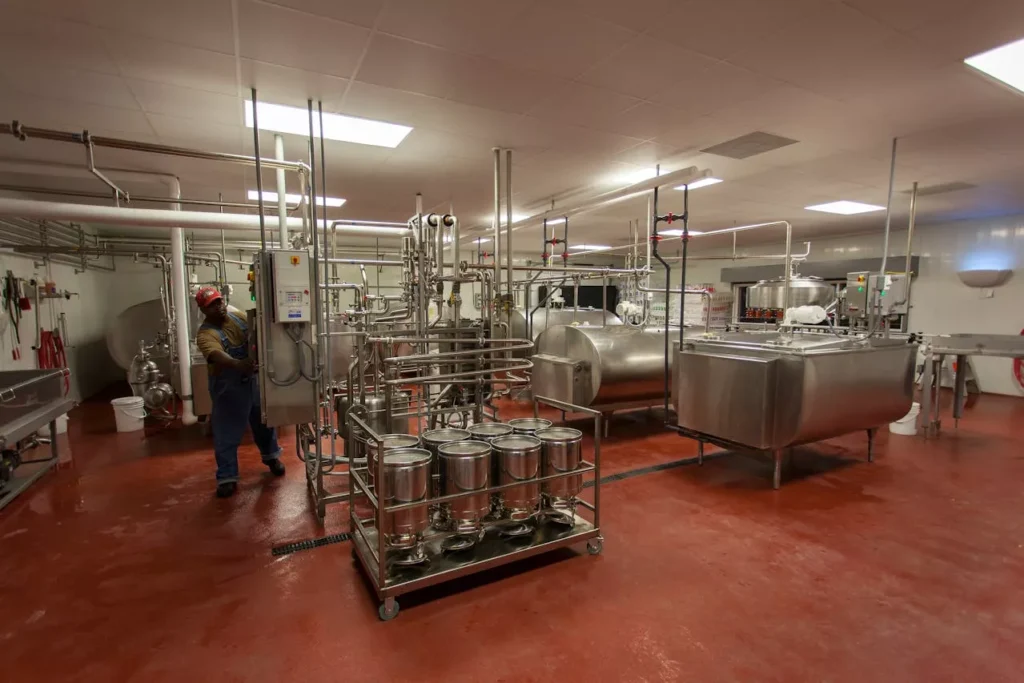
Ryan Begin, CEO and co-founder of Divert, emphasized the broader significance of the project, noting that the Longview facility is not just about waste management, but about building a more resilient and localized food system. He highlighted the increasing complexity of waste systems across the country and the growing distance between where waste is generated and where it is processed. By keeping resources local, Divert’s model helps retain economic value within the region while also improving efficiency and sustainability. According to Begin, the company’s approach enhances food donation efforts, recovers energy, and reintegrates nutrients into the regional economy, all while supporting agricultural communities and advancing energy independence.
The facility also strengthens Divert’s partnerships with major food retailers and manufacturers in the Pacific Northwest. Companies such as Albertsons, Fred Meyer, Kroger, Reser’s Fine Foods, and Safeway are among those utilizing Divert’s integrated services to manage unsold food and organic waste. These partnerships enable businesses to streamline their operations while meeting sustainability goals and regulatory requirements. Additionally, Divert collaborates with Feeding America to maximize opportunities for edible food donation, ensuring that surplus food is redirected to people in need whenever possible before being processed for energy and fertilizer.
Industry partners have highlighted the operational benefits of working with Divert. Danelle Macias, Senior Director of Sales and Support for Albertsons’ Portland Division, noted that the Longview facility provides a dependable and comprehensive organics diversion solution. She emphasized the importance of service reliability in maintaining efficient operations and serving customers effectively, adding that Divert’s integrated approach allows businesses to focus on their core activities while ensuring responsible waste management.
Public officials and policymakers have also praised the facility as a model for innovation in addressing climate and sustainability challenges. Oregon Metro Councilor Christine Lewis pointed out that food production and waste have significant environmental impacts, and solutions like Divert’s address both sides of the equation. By creating a viable market for food scraps within a circular economy framework, the facility demonstrates how innovation can reduce emissions while creating new economic opportunities.
Beyond its environmental and operational benefits, the Longview facility has had a positive impact on the local economy and workforce. Heather Kurtenbach, Executive Secretary of the Washington State Building & Construction Trades Council, highlighted Divert’s commitment to the community, noting that the company prioritized local partnerships and workforce development throughout the project. The construction of the facility provided well-paying jobs for skilled workers in the region, reinforcing Longview’s industrial heritage while positioning it for future growth in climate technology and sustainable manufacturing.
Strategically located in Longview, a key industrial hub in the Pacific Northwest, the facility benefits from proximity to critical infrastructure, including utilities capable of receiving renewable natural gas. Through an interconnection agreement with Cascade Natural Gas, the RNG produced at the facility is injected directly into the existing pipeline network. This allows the renewable energy generated from food waste to be distributed to homes, businesses, and industries throughout the region, including those that are difficult to electrify.
The opening of Divert’s Integrated Diversion & Energy Facility represents a significant step forward in rethinking how food waste is managed and utilized. By transforming discarded food into renewable energy and agricultural inputs, the facility not only reduces environmental impact but also creates a more sustainable and resilient food system. As the demand for circular economy solutions continues to grow, projects like the Longview facility demonstrate the potential for innovation to turn one of society’s biggest challenges into a valuable resource for the future.
Source Link:https://www.businesswire.com/