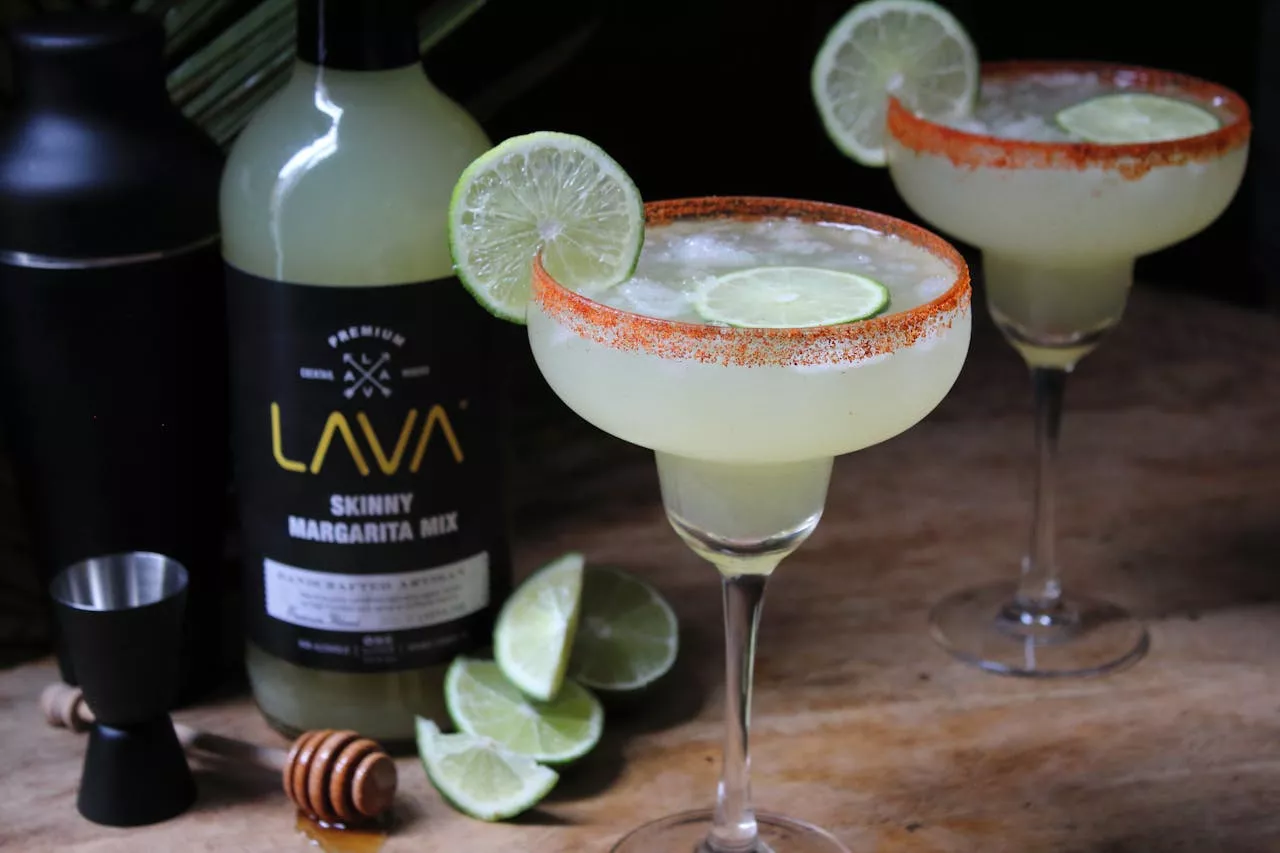
On May 11, 2026, a uniquely American culinary innovation celebrates a milestone worth raising a glass to: the 55th anniversary of the debut of what has become known as “The World’s First Frozen Margarita Machine.” What began as a practical solution to a restaurant operations problem in Dallas, Texas, evolved into a revolutionary invention that transformed cocktail culture, boosted tequila’s global popularity, and helped elevate Tex-Mex cuisine into an enduring part of American dining.
The story begins with Mariano Martinez, a visionary entrepreneur whose ingenuity would leave an unexpected mark on food and beverage history. In 1971, Martinez, then just 27 years old, unveiled a machine that would forever change how margaritas were served. By modifying a standard Slurpee machine into a device capable of producing consistently blended frozen margaritas, he not only solved a pressing restaurant challenge but also introduced a new era in cocktail service.
Today, that original machine—once humming behind the bar at Mariano’s Mexican Cuisine in Dallas—resides in one of the most prestigious collections in the world: the National Museum of American History, part of the Smithsonian Institution. Its placement there underscores the profound cultural and culinary significance of an invention that began as a simple entrepreneurial experiment.
Mariano Martinez’s story is one of perseverance, creativity, and bold risk-taking. Born in Dallas in 1944, Martinez grew up during a time of significant social change. His family made history when they became the first Mexican-American family to move into the Lakewood neighborhood of Dallas when he was just five years old—a move that reflected both courage and determination.
Those qualities would define Martinez’s professional journey as well. At age 25, driven by a dream of opening his own restaurant, he sold nearly everything he owned to secure a Small Business Administration loan and launch Mariano’s Mexican Cuisine. Like many first-time restaurateurs, he quickly encountered the harsh realities of running a busy foodservice operation.
One of the biggest bottlenecks? Margaritas.
Frozen margaritas were becoming increasingly popular, but preparing them required staff to constantly operate blenders—an inefficient and noisy process that slowed service and created operational headaches. Martinez needed a better solution.
That inspiration struck unexpectedly at a local 7-Eleven. While observing a Slurpee machine dispensing frozen beverages with remarkable consistency and speed, Martinez saw an opportunity. If the machine could dispense frozen soft drinks, why couldn’t it serve frozen margaritas?
That simple but brilliant idea would become one of the most influential innovations in beverage service history.
With help from engineers and mechanics—and guided by his father’s cherished margarita recipe—Martinez modified the Slurpee-style machine to accommodate alcoholic ingredients. The result was revolutionary: a frozen margarita machine that delivered perfectly blended drinks quickly, consistently, and at scale.
Customers loved it immediately.
The machine not only improved efficiency behind the bar but also elevated the guest experience. Instead of waiting for bartenders to prepare drinks individually, patrons could enjoy faster service and a perfectly chilled margarita every time.
What began as a local innovation soon sparked a national—and eventually global—trend.
The timing of Martinez’s invention aligned perfectly with America’s growing appetite for Tex-Mex cuisine and Mexican-inspired flavors.
By the mid-1970s, the margarita had overtaken the martini to become America’s most popular cocktail. It symbolized a shift in drinking culture—away from traditional formal cocktails and toward more casual, festive, and approachable experiences.
At the same time, Tex-Mex cuisine was booming. Restaurants featuring enchiladas, fajitas, nachos, and tacos began appearing across the country. Salsa eventually surpassed ketchup as one of America’s favorite condiments, signaling a broader cultural embrace of Mexican flavors.
Martinez’s frozen margarita machine played a key role in that transformation.
As demand for margaritas surged, so did demand for tequila—the essential spirit at the heart of the drink. What had once been a relatively niche Mexican liquor became a mainstream staple in bars and homes around the world.
Recognizing the impact, tequila producers in Mexico honored Martinez, crediting him with doing more to popularize tequila globally than perhaps any other individual.
Today, frozen margarita machines operate in 47 countries, a testament to the enduring legacy of his invention.
For decades, Martinez’s original frozen margarita machine continued to serve customers at Mariano’s Mexican Cuisine. It remained in active use for an astonishing 34 years before finally being retired.
Its next destination was extraordinary.
Dr. Rayna Green, a curator at the Smithsonian Institution, first learned about the machine while researching an exhibition on Tex-Mex food culture. Initially, the story sounded almost too perfect—a restaurateur inspired by a convenience-store Slurpee machine creates a beverage icon.
But after extensive research and documentation, Green confirmed the story’s authenticity.
In 2005, “The World’s First Frozen Margarita Machine” was officially inducted into the Smithsonian’s National Museum of American History, cementing its place as one of America’s most important culinary artifacts.
Its inclusion recognized more than an invention—it honored entrepreneurship, cultural exchange, and the power of food and drink to shape society.
Martinez’s influence extends far beyond one machine.
More than five decades after opening his first restaurant, he remains a major figure in the North Texas hospitality industry. Today, Mariano Martinez owns and operates five Mexican restaurants across the Dallas-Fort Worth region.
Together, those establishments employ more than 600 people and serve approximately 1.3 million guests annually.
Each restaurant continues the traditions that made Mariano’s famous: authentic Tex-Mex dishes, energetic hospitality, and handcrafted margaritas served in a lively, welcoming atmosphere.
For Martinez, preserving that experience has always been central to his mission.
His restaurants are more than businesses—they are cultural institutions where generations of diners have celebrated birthdays, anniversaries, family gatherings, and casual nights out over chips, salsa, and frozen margaritas.
Few restaurant innovations can claim to have influenced global drinking culture, reshaped an entire spirits category, and earned a place in the Smithsonian.
Yet Martinez’s frozen margarita machine did exactly that.
Its success demonstrated how innovation often emerges not from laboratories or corporate boardrooms, but from practical challenges faced by everyday entrepreneurs. Martinez didn’t set out to create a cultural icon—he simply wanted to make better margaritas faster.
In doing so, he created a lasting legacy.
As the original frozen margarita machine marks its 55th anniversary, its impact remains unmistakable. Every time a bartender pours a frozen margarita from a commercial machine—whether in Dallas, Dubai, Tokyo, or Mexico City—they are continuing a tradition that began with one man, one restaurant, and one inspired glance at a convenience-store Slurpee machine.
So on May 11, 2026, millions of margarita lovers around the world have one more reason to toast.
Salud—to Mariano Martinez, and to the machine that changed cocktail history forever.
Source Link:https://www.businesswire.com/