
U.S. Shrimp Coalition Launches to Protect Affordable Seafood and American Jobs
The newly formed U.S. Shrimp Coalition has officially launched as a nationwide advocacy organization representing businesses, workers, retailers, restaurants, importers, distributors, and supply-chain partners committed to ensuring that shrimp remains affordable and widely available for consumers across the United States. The coalition was established in response to growing concerns over trade policies and import restrictions that its members believe could significantly increase seafood prices, disrupt supply chains, and threaten hundreds of thousands of American jobs connected to the shrimp industry.
The organization intends to serve as the national voice for stakeholders involved in the imported shrimp supply chain, emphasizing that imported shrimp is not only essential to meeting consumer demand but also plays a critical role in supporting the broader U.S. seafood economy.
Protecting Access to America’s Favorite Seafood
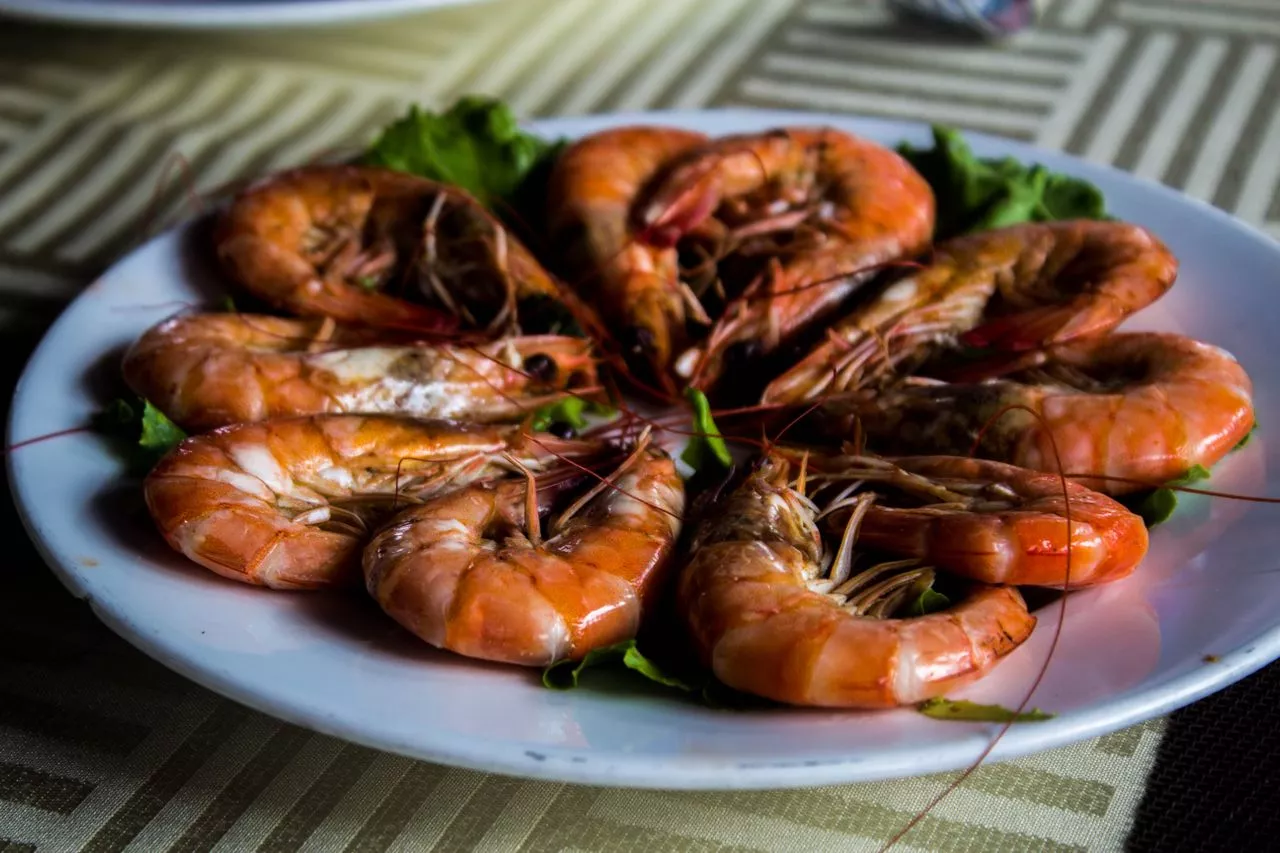
Shrimp has consistently ranked as the most popular seafood consumed in the United States, thanks to its versatility, nutritional value, and year-round availability. Millions of American families regularly purchase shrimp for home cooking or enjoy it in restaurants because it remains one of the most affordable seafood options available.
According to the coalition, nearly 90 percent of the shrimp consumed in the United States is imported, making imported shrimp a vital component of the nation’s seafood supply. This steady supply helps generate approximately $10.4 billion in economic value while supporting an extensive network of businesses involved in importing, processing, packaging, transportation, cold storage, wholesale distribution, retail grocery, restaurants, and food service operations.
Coalition leaders argue that limiting shrimp imports through tariffs or restrictive trade measures would not simply affect importers but would have widespread consequences throughout the American seafood industry, ultimately resulting in higher costs for consumers.
Coalition Formed in Response to Trade Policy Concerns
The U.S. Shrimp Coalition was created amid ongoing policy discussions surrounding shrimp imports and potential trade restrictions. Coalition members believe that new tariffs or import limitations could reduce the availability of shrimp while increasing operating costs for businesses that rely on imported seafood products.
Rather than viewing imported shrimp solely through the lens of international trade, the coalition emphasizes that affordability, food security, employment, and supply chain stability should also be central considerations in policy decisions.
The organization plans to engage with lawmakers and policymakers at the federal level to advocate for balanced trade policies that preserve consumer access to affordable seafood while supporting American businesses throughout the shrimp supply chain.
Affordability Remains a Key Priority
Josh Zive, Executive Director of the U.S. Shrimp Coalition, said shrimp has become a household staple because it combines nutrition, convenience, and affordability.
He explained that companies involved in importing, distributing, storing, processing, and serving shrimp collectively support hundreds of thousands of American jobs while ensuring that consumers can purchase shrimp throughout the year regardless of seasonal domestic harvests.
According to Zive, the coalition was formed to help policymakers understand that decisions affecting shrimp imports extend far beyond international trade.
He emphasized that imported shrimp directly impacts consumer affordability, employment across the seafood industry, and the stability of America’s food supply. The coalition’s mission is to advocate for policies that maintain affordable prices and reliable access to shrimp for consumers nationwide.
Imported and Domestic Shrimp Serve Different Roles
One of the coalition’s central messages is that imported shrimp and domestic wild-caught shrimp should be viewed as complementary rather than competing products.
Domestic shrimp harvesting is seasonal and naturally limited by geography, weather conditions, and annual production volumes. While domestic shrimp remains an important part of the U.S. seafood industry, coalition members argue that it cannot alone satisfy the nation’s year-round demand.
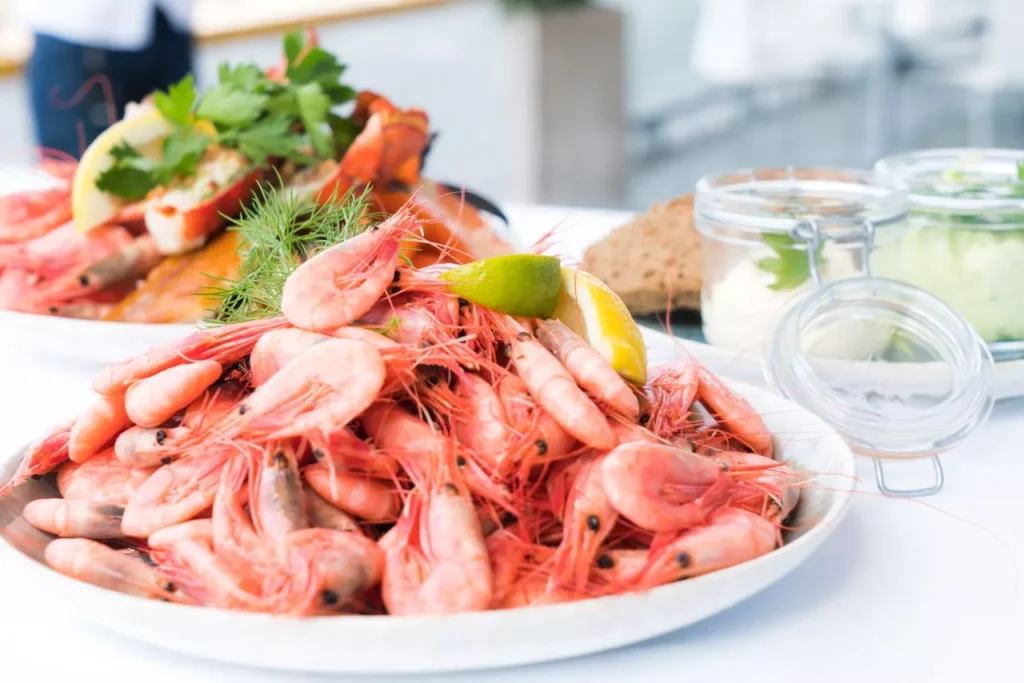
Imported shrimp fills that supply gap by providing consistent availability across grocery stores, restaurants, food service providers, and seafood distributors throughout every season.
The coalition believes both domestic and imported shrimp contribute to a healthy seafood marketplace, offering consumers greater choice while ensuring businesses have dependable inventory throughout the year.
National Fisheries Institute Joins Coalition
The National Fisheries Institute (NFI) has joined the U.S. Shrimp Coalition as one of its founding supporters.
Lisa Wallenda Picard, President and CEO of the National Fisheries Institute, noted that globally sourced seafood complements domestic production by providing dependable supplies that Americans rely on throughout the year.
She explained that imported seafood supports a broad network of U.S. seafood processors, distributors, retailers, restaurants, and food service businesses, along with more than 500,000 American workers employed throughout these industries.
Picard said the organization supports policies that ensure shrimp remains affordable and accessible to families in every state while recognizing the valuable role both imported and domestic seafood play in serving consumers.
Retail Industry Raises Concerns Over Consumer Costs
The National Retail Federation (NRF) has also joined the coalition, citing concerns that tariffs and additional import restrictions could ultimately increase food prices for consumers.
David French, Executive Vice President of Government Relations at the National Retail Federation, said retailers favor policies that maintain stable supply chains and allow consumers continued access to affordable seafood products.
He noted that higher import costs are often passed along through the supply chain, eventually resulting in increased retail prices for shoppers.
By participating in the coalition, the retail industry hopes to advocate for policies that support both businesses and consumers while preserving reliable seafood supplies.
Coalition Policy Priorities
The U.S. Shrimp Coalition has outlined several key policy priorities that it intends to promote through advocacy and public engagement.
These priorities include:
- Keeping shrimp affordable and accessible for American consumers.
- Maintaining a dependable year-round seafood supply.
- Protecting more than 500,000 U.S. jobs connected to the imported shrimp supply chain.
- Supporting federal nutrition and public health objectives by ensuring continued access to healthy seafood.
- Recognizing the complementary roles that imported shrimp and domestic wild-caught shrimp play in meeting consumer demand.
Coalition leaders believe these priorities will help strengthen both the seafood industry and the broader American economy.
Supporting Jobs Across the Seafood Supply Chain
Beyond consumer affordability, coalition members stress the significant employment impact of imported shrimp.
The shrimp supply chain supports workers across numerous industries, including shipping, port operations, warehousing, seafood processing, packaging, cold storage, transportation, grocery retail, hospitality, restaurants, and institutional food service.
Because imported shrimp moves through an extensive domestic distribution network after arriving in the United States, coalition members argue that policies restricting imports could affect businesses and workers far beyond the seafood importing sector.
Maintaining stable import volumes, they say, helps sustain employment opportunities while ensuring uninterrupted seafood availability for consumers.
Sourcd Link:https://www.businesswire.com/