Danish food technology company FERM FOOD ApS has introduced a new fermented gluten-free bread binder designed specifically for industrial bakeries seeking to improve product quality while simplifying production processes. The innovative ingredient addresses some of the most persistent challenges associated with gluten-free bread manufacturing, including crumbly texture, poor structure, inconsistent dough handling, and the need for multiple functional additives.
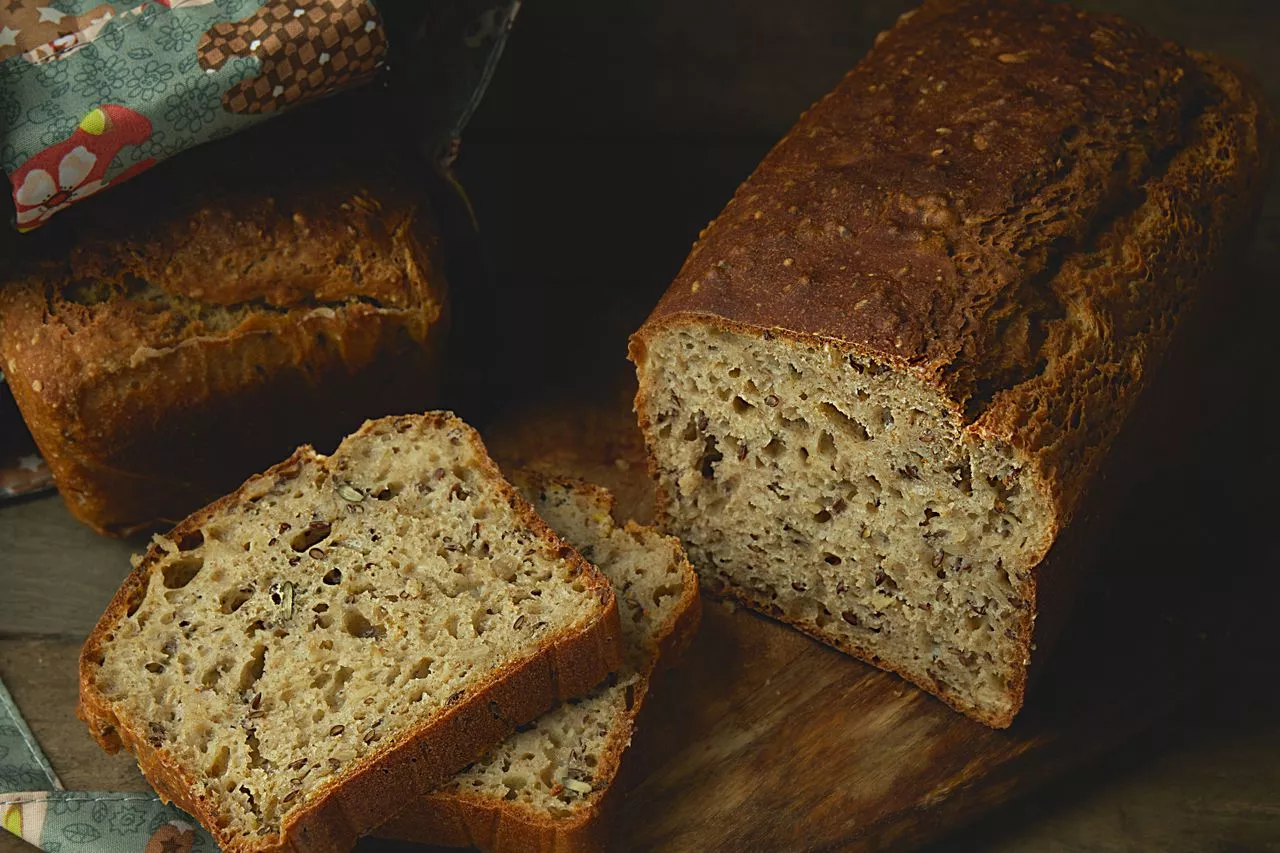
As demand for gluten-free bakery products continues to rise worldwide, manufacturers are under increasing pressure to deliver products that match the taste, texture, and appearance of traditional wheat-based bread. However, the absence of gluten—a key protein responsible for elasticity and structure in conventional bread—often results in products that are fragile, dry, and difficult to slice. FERM FOOD’s new solution aims to overcome these limitations by combining several functional properties into a single fermented ingredient.
The company says the bread binder can significantly reduce recipe complexity while simultaneously improving bread structure, moisture retention, sliceability, and flavor. By replacing several individual additives commonly used in gluten-free baking, the ingredient offers bakeries a more streamlined production process and cleaner product labels.
Gluten-free bread formulations frequently rely on a combination of hydrocolloids, starches, emulsifiers, fibers, and other functional ingredients to mimic the structural role of gluten. While effective to some extent, these formulations can become highly complex, increasing both production costs and inventory management requirements.
FERM FOOD’s newly developed binder was created to address these challenges through a multifunctional approach. The ingredient works as a comprehensive binding system, helping dough maintain structure while improving water retention and creating a softer, more appealing crumb.
According to Søren Lange, Head of Development at FERM FOOD, the company focused on creating a solution that not only simplifies production but also enhances the eating experience for consumers.
“Our new gluten-free bread binder has been developed to make production simpler and more flavourful. When one binder can replace several functional components, it becomes easier for industrial bakers to standardise recipes, cut down on the number of ingredients, and add a deeper, slightly tangy, and more complex flavour—similar to what you know from sourdough bread,” Lange explained.
The fermentation process used in the binder contributes not only to functionality but also to flavor development. Unlike many gluten-free products that can taste bland or overly processed, bread produced with the binder can achieve a richer taste profile with subtle sourdough-like notes, helping manufacturers create products that appeal to a broader range of consumers.
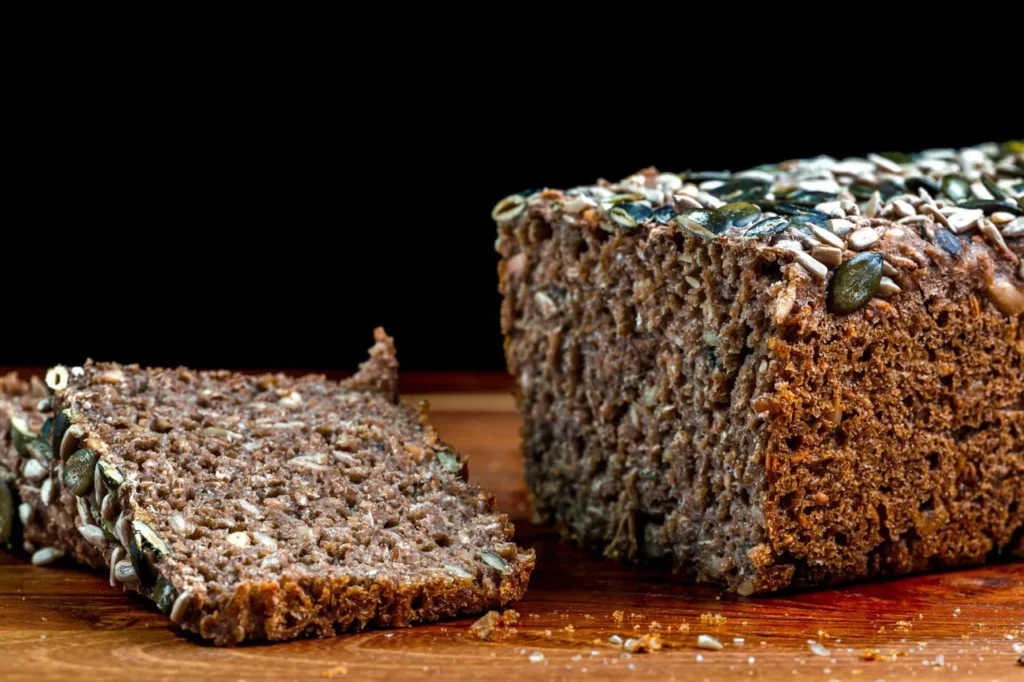
Before launching the product commercially, FERM FOOD collaborated with bakery partners to evaluate its performance under real-world production conditions. Among the companies testing the new ingredient was Vadehavsbageriet, a Danish specialty bakery known for producing gluten-free bread for retail markets.
The bakery reported positive results during testing, particularly in terms of dough consistency, handling properties, and finished product quality.
According to Jytte from Vadehavsbageriet, the binder helped create a more uniform dough system that translated into reliable baking performance and improved bread characteristics.
“The binder made it possible to achieve a consistent result. The dough becomes more homogeneous, so the bread is elastic and delicious, and we can thereby reduce the complexity of the recipe—delivering good bread with a clean label,” she said.
Consistency remains one of the most important factors for industrial bakers, especially those supplying retail chains where uniformity across batches is essential. By improving dough homogeneity and stability, the binder can help manufacturers maintain product quality while reducing operational variability.
Another notable aspect of the new bread binder is its ingredient sourcing strategy. The product is made using fermented buckwheat and fava beans sourced entirely within the European Union.
Using regionally sourced raw materials offers several advantages. In recent years, food manufacturers have faced supply chain disruptions, fluctuating ingredient prices, and geopolitical uncertainties affecting global sourcing networks. By relying on European agricultural ingredients, FERM FOOD aims to provide customers with a more secure and dependable supply chain.
Because the binder consolidates several functionalities into one ingredient, bakeries may also benefit from lower inventory requirements. Instead of purchasing and storing multiple specialty additives, manufacturers can potentially reduce the number of ingredients kept in stock, improving operational efficiency and reducing storage costs.
This simplified approach aligns with broader industry trends favoring cleaner labels, shorter ingredient declarations, and more transparent sourcing practices.
The gluten-free bread binder forms part of a broader binder system being developed by FERM FOOD. In addition to bakery applications, the company has introduced binder solutions designed for vegetables, legumes, and minced meat products such as pork and chicken.
These products are built around the company’s expertise in fermentation technology, which serves as the foundation for its ingredient development strategy.
FERM FOOD utilizes carefully selected lactic acid bacteria to ferment plant-based raw materials. Through this natural process, ingredients gain enhanced functional properties while also developing improved nutritional and sensory characteristics.
Fermentation has long been recognized for its ability to transform food ingredients by increasing digestibility, developing flavor compounds, and improving preservation. FERM FOOD applies these principles to create functional food ingredients that meet the needs of modern food manufacturers seeking natural alternatives to synthetic additives.
The company believes fermentation-based ingredients can play an increasingly important role in helping food producers meet consumer demands for cleaner labels and more sustainable production practices.
FERM FOOD’s Bread Binder has been specifically developed for industrial-scale gluten-free bakery production. According to the company, the ingredient offers a range of practical and quality-related advantages.
Among its primary benefits are reduced crumbling and improved sliceability, two critical factors that often determine consumer satisfaction with gluten-free bread. The binder also enhances water-binding capacity, helping bread remain soft and fresh for longer periods.
Additionally, it supports more consistent dough handling and improved loaf volume, making production more predictable and efficient. By reducing reliance on multiple functional additives, bakeries can simplify recipes and create products with cleaner ingredient labels.
Flavor enhancement is another key advantage. The fermentation-derived taste profile contributes greater complexity and can help create a more appealing golden crust during baking.
As consumer expectations for gluten-free products continue to evolve, ingredient innovations such as FERM FOOD’s fermented bread binder could help manufacturers bridge the quality gap between gluten-free and traditional bakery products. By combining functionality, flavor development, and recipe simplification into a single ingredient, the new binder offers industrial bakeries a promising solution for producing high-quality gluten-free bread that meets both operational and consumer demands.
Source Link:https://www.businesswire.com/