

AGCO Power Core80 Engine Wins Prestigious 2026 Industry Honor
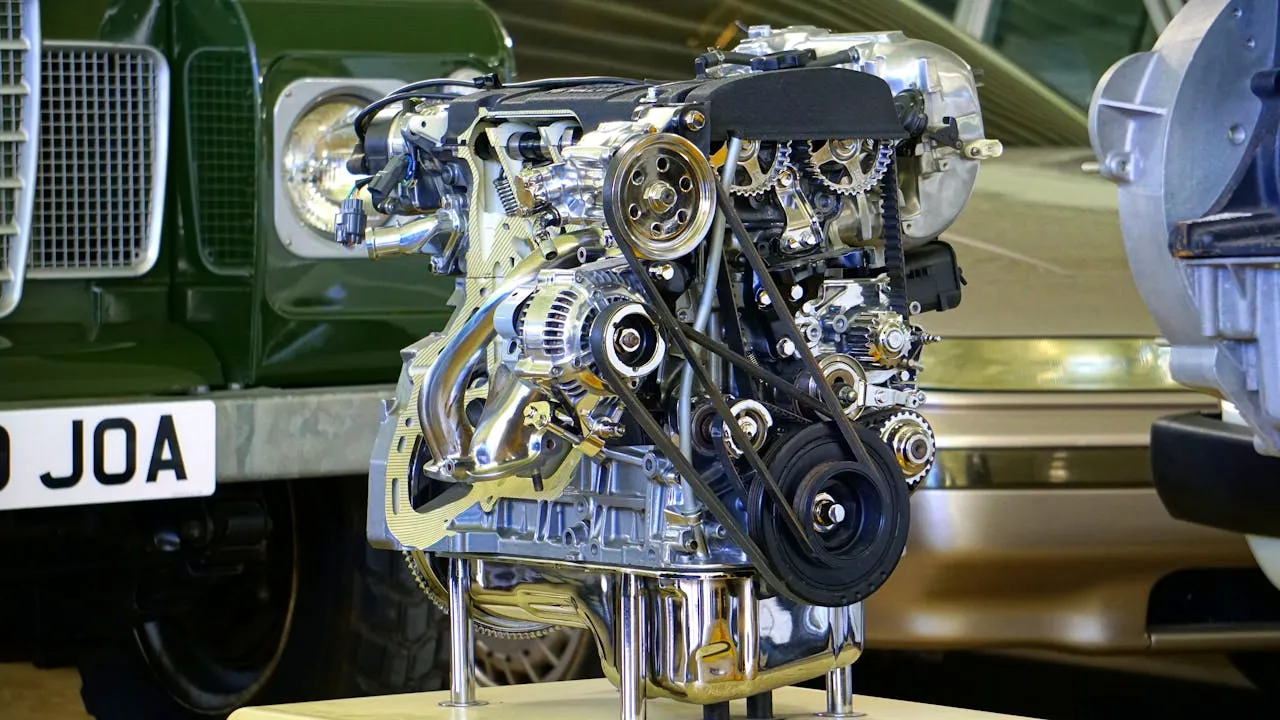
Developed and manufactured in Linnavuori, Finland, the Core80 engine represents the most advanced technology within AGCO Power’s new-generation Core engine family. The engine has been recognized as Diesel Engine of the Year 2026, one of the most respected awards in the global powertrain industry.
Presented by Powertrain International, the award has celebrated groundbreaking off-highway powertrain innovations for more than two decades. Over the past 20 years, it has highlighted engineering achievements that redefine performance, efficiency, durability, and sustainability in demanding industrial sectors.
According to Powertrain International Editor-in-Chief Fabio Butturi, selecting the Core80 was a clear and confident decision.
Core80 represents exactly the kind of technical courage and innovation we want to highlight. The award truly belongs to the entire Core engine family, which opens a new era for AGCO Power across tractors and other off-highway applications.
The recognition underscores not only the technical strengths of the Core80 but also the strategic direction AGCO Power is taking as it modernizes internal combustion technology while preparing for future propulsion systems.
Designed for the Most Demanding Off-Highway Applications
The Core engine family was engineered specifically for the toughest off-highway environments. From large agricultural tractors and harvesting equipment to construction machinery, forestry machines, and material-handling vehicles, these engines are built to withstand continuous heavy loads and challenging operating conditions.
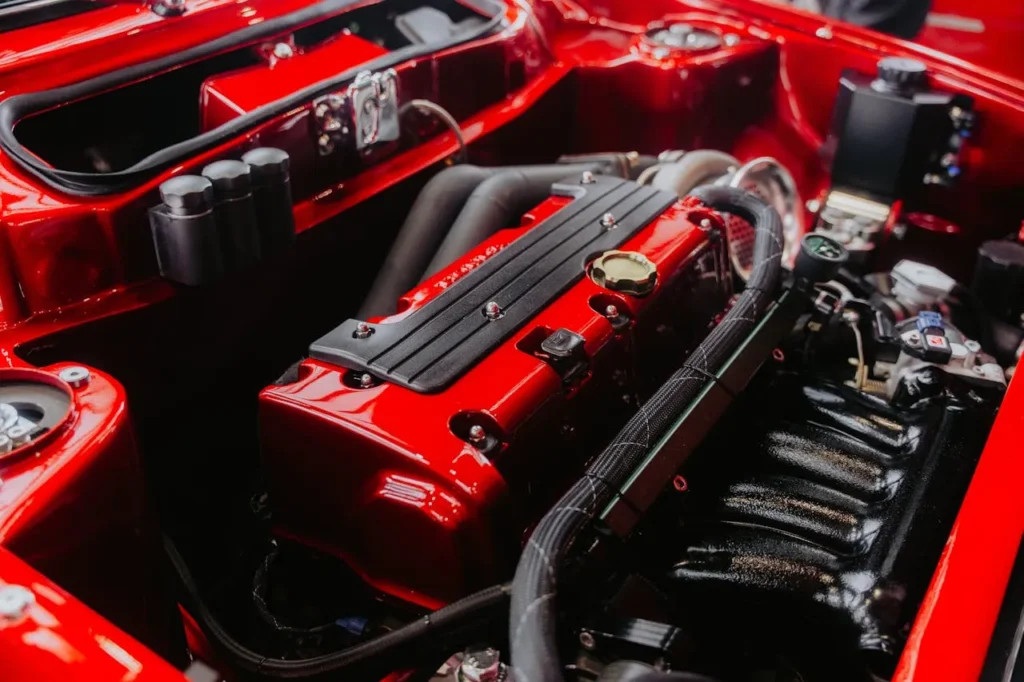
The design philosophy behind the Core platform prioritizes robustness, fuel efficiency, low operating costs, and future adaptability. The engine architecture has been carefully developed to support upcoming powertrain technologies, including hybrid solutions and alternative fuels such as hydrogen.
Butturi emphasized that the Core engines demonstrate the continued relevance of advanced internal combustion technology.
Core engines demonstrate that modern internal combustion technology continues to have a clear role in the energy transition.
Rather than viewing diesel technology as outdated, AGCO Power has focused on improving efficiency, reducing emissions, and designing a platform capable of integrating cleaner energy sources over time.
A Collaborative Achievement at Linnavuori
For AGCO Power, the award is also a recognition of the people and processes behind the innovation.
Juha Tervala, Vice President of AGCO Power, described the achievement as a testament to the organization’s unified approach.
This award belongs to our entire AGCO Power organization. Our Linnavuori plant brings engineering and manufacturing, quality, purchasing, aftermarket and the whole corporation’s powertrain R&D under one roof. Core is a result of that unique synergy.
The Linnavuori facility in Finland serves as a fully integrated powertrain center, where research, development, production, and quality assurance are centralized. This consolidated structure enables faster innovation cycles, tighter quality control, and seamless collaboration between departments.
By aligning engineering and manufacturing teams early in the development process, AGCO Power ensured that the Core engines would meet performance targets without compromising reliability or serviceability.
Best-in-Class Fuel Efficiency
One of the Core family’s most significant advantages is its exceptional fuel efficiency. Compared to previous AGCO Power engine generations in the same output range, the Core engines demonstrate approximately a 5% improvement in fuel consumption.
Independent testing conducted by the German agricultural testing institute DLG confirms these gains in real-world field conditions.
- Core50 engine: Installed in the Fendt 620 Vario, achieved 245 g/kWh in the DLG Powermix field work test.
- Core75 engine: Featured in the Fendt 728 Vario, recorded 242 g/kWh under the same testing conditions.
These results position Core-powered tractors among the most fuel-efficient and lowest-emission machines in their respective classes.
Although the Core80 itself has not yet undergone independent DLG testing, its engineering foundation builds upon the same efficiency-driven architecture. With improved combustion design, optimized airflow management, and refined turbocharging systems, the Core80 is expected to deliver comparable or superior results once independently evaluated.
Lower fuel consumption not only reduces operating costs for farmers and contractors but also contributes directly to lower CO₂ emissions, reinforcing AGCO Power’s sustainability goals.
Developed in Close Partnership with Fendt
A defining feature of the Core engine program was its close collaboration with Fendt. By involving tractor engineers and end-user insights from the earliest concept stages, AGCO Power ensured that real-world farming requirements shaped the engine’s design.
Juha-Pekka Asikainen, Project Manager in Engineering at AGCO Power, highlighted the performance benefits achieved through this partnership.
The low-RPM Core engines are an ideal match for Fendt tractors, delivering high performance with low noise and exceptional drivability.
Operating efficiently at lower engine speeds reduces noise levels, improves fuel economy, and enhances operator comfort. For farmers working long hours during peak seasons, these characteristics significantly improve the overall user experience.
With up to 1680 Nm of torque, the Core80 stands as the most powerful engine in the Core family. Key technologies include:
- Steel pistons for enhanced durability under high combustion pressures
- Variable-geometry turbocharger (VGT) for rapid response and optimized airflow
- Strong engine braking capabilities
- Improved fuel efficiency through advanced combustion management
Importantly, AGCO Power achieved these performance benchmarks without relying on complex exhaust gas recirculation (EGR) systems or two-stage turbocharging.
Asikainen noted:
We achieved top-tier performance without a complex EGR system or two-stage turbocharging, significantly improving reliability.
This simplified architecture enhances long-term durability and reduces maintenance complexity—critical factors for heavy-duty agricultural and industrial users.
Preparing for the Future of Energy
While the Core engines represent cutting-edge diesel technology, AGCO Power positions them as a foundation for future propulsion systems. The modular architecture allows integration with electrification and hybrid technologies, providing flexibility as market demands evolve.
All AGCO Power engines are already compatible with renewable HVO diesel, offering immediate reductions in lifecycle emissions without requiring hardware modifications.
Development efforts continue at AGCO Power’s Clean Energy Laboratory, where engineers are expanding testing capabilities for hydrogen, methanol, and other emerging energy carriers. The goal is to ensure that future iterations of the Core platform can seamlessly transition toward carbon-neutral or low-carbon fuel solutions.
Kelvin Bennett, Vice President of Engineering at AGCO, emphasized the broader vision behind the Core program.
The Core family is just the beginning. We are developing solutions that serve customers today, and are ready for tomorrow’s energy systems.
A New Era for Off-Highway Power
The Diesel Engine of the Year 2026 recognition confirms that advanced internal combustion engines continue to evolve and play a vital role in heavy-duty industries. Through efficiency improvements, simplified architecture, and future-ready design, the Core80 signals a new chapter for AGCO Power.
By combining Finnish engineering expertise, close collaboration with Fendt, and a forward-looking energy strategy, AGCO Power has positioned the Core family as a benchmark for modern off-highway powertrains.
As global agriculture and construction industries navigate both productivity demands and environmental pressures, the Core80 stands as proof that innovation in traditional engine technology remains not only possible—but essential.
Source Link: https://www.businesswire.com/