
Conservation Resources (CR), a specialized investment firm focused on sustainable agriculture and natural resource assets, has announced the first investment made through its second flagship agriculture-focused fund, Conservation Resources Farmland II, L.P. (CRF II). The inaugural acquisition under the new fund is a 155-acre permanent crop farm located in California, featuring productive kiwi and citrus orchards. The purchase marks another significant milestone for the firm as it expands its footprint in high-value permanent crops and reinforces its position as one of the largest institutional owners of bearing kiwi farmland in the United States.
The acquisition is strategically aligned with Conservation Resources’ long-term investment philosophy, which centers on acquiring premium farmland assets in supply-constrained markets where operational expertise and active management can unlock additional value beyond simple land ownership. By targeting specialty crop farmland with strong market fundamentals, CR aims to generate superior returns while supporting environmental sustainability through regenerative farming practices.
Strategic Focus on Premium Permanent Crops
The newly acquired California property highlights CRF II’s differentiated investment strategy, which emphasizes permanent crop farmland in markets where barriers to entry remain high. Permanent crops—such as kiwi, citrus, nuts, and vineyards—require substantial upfront capital, specialized agronomic expertise, and long development timelines, making them particularly attractive to long-term institutional investors seeking durable returns.
Kiwi, in particular, represents a compelling opportunity. Bearing kiwi acreage in California is limited, difficult to expand, and increasingly valuable as U.S. consumer demand for the fruit continues to rise. Domestic kiwi production remains constrained relative to demand, creating favorable pricing dynamics and long-term growth potential.
At the same time, the citrus component of the acquisition provides additional diversification and revenue stability. By combining two high-value crops within a single asset, Conservation Resources can benefit from multiple income streams while reducing exposure to risks associated with reliance on a single commodity.
“This acquisition reflects exactly the type of differentiated opportunity we built CRF II to pursue,” said Stavros Koutsantonis, Chief Operating Officer of Conservation Resources and head of the firm’s agricultural investment strategies.
“Bearing kiwi acreage in California is scarce, difficult to develop, and increasingly sought after as domestic demand for kiwi grows. Pairing that with citrus gives us multiple value streams within a single asset—and positions Conservation Resources as a meaningful institutional presence in a crop category where we see compelling long-term fundamentals.”
Regenerative Agriculture at the Core
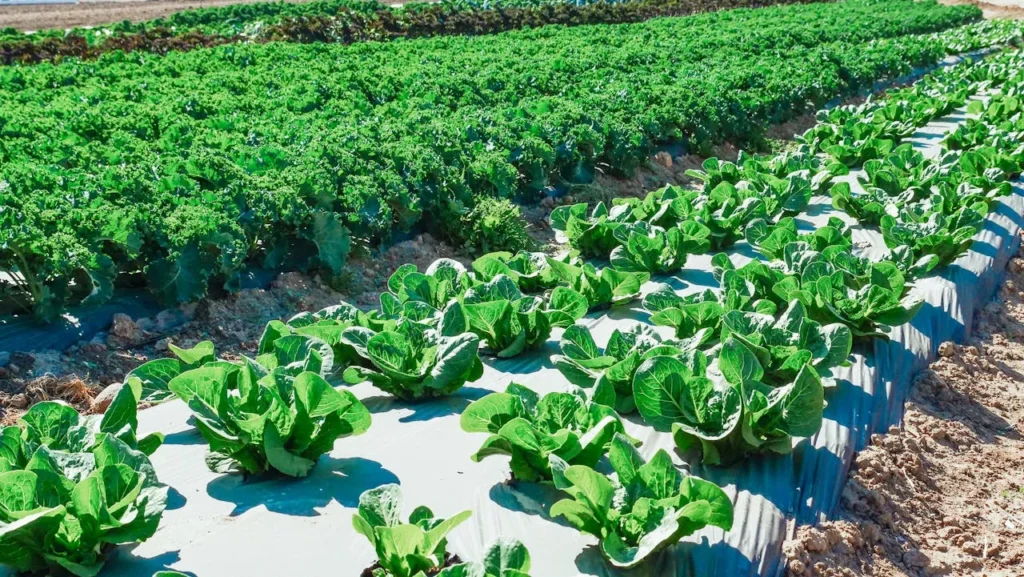
A defining characteristic of Conservation Resources’ investment model is its commitment to regenerative agriculture. The newly acquired California farm will be managed according to what the company describes as some of the most rigorous regenerative agriculture standards in the industry.
Rather than viewing sustainability as a secondary objective, CR integrates regenerative practices directly into its investment thesis. The firm believes that healthier soils, stronger biodiversity, improved water management, and resilient ecosystems contribute directly to stronger long-term financial performance.
On this property, regenerative practices are expected to include:
- Enhanced soil-building techniques to improve fertility and reduce erosion;
- Reduced synthetic input dependency through biologically based management;
- Water conservation initiatives, especially critical in drought-prone California;
- Habitat restoration to support pollinators and local wildlife;
- Long-term carbon sequestration benefits through improved land stewardship.
This model reflects a broader shift within institutional agriculture investing, where environmental stewardship is increasingly viewed as a driver of asset appreciation rather than simply a compliance requirement.
Strong Initial Support for CRF II
The announcement comes shortly after CRF II completed its first close, raising $54 million in investor commitments. The fundraising round was supported by a combination of returning investors and new institutional capital.
One of the most notable participants is Achmea Investment Management B.V. (Achmea IM), a leading European asset manager. Achmea IM has joined as an anchor investor and will serve as an investment advisor to European institutional investors and other clients seeking exposure to the fund.
The inclusion of CRF II on Achmea IM’s multi-asset impact platform is particularly significant, as it signals growing international institutional interest in regenerative agriculture and sustainable farmland as an investable asset class.
The partnership also broadens CR’s global reach by introducing the firm’s farmland strategy to a wider network of impact-focused investors seeking measurable environmental and financial outcomes.
A Differentiated Farmland Investment Strategy
Unlike traditional farmland funds that often rely primarily on land appreciation and lease income, Conservation Resources has built CRF II around a more active investment model designed to outperform conventional farmland benchmarks.
The fund focuses on acquiring institutional-quality farmland and related downstream agricultural assets throughout North America, targeting opportunities where hands-on operational management can create measurable value.
CR’s strategy is built around three core drivers:
1. Premium Commodity Exposure
The firm prioritizes crops with strong long-term demand dynamics, pricing power, and limited supply growth—such as kiwi, specialty fruits, organic produce, and other high-value permanent crops.
2. Multiple Revenue Streams
Beyond crop sales, CR seeks opportunities to unlock additional revenue through premium certifications, regenerative product premiums, value-added partnerships, and operational efficiencies.
3. Active Asset Management
Rather than acting as passive landowners, CR actively manages properties to improve productivity, optimize crop mix, increase water efficiency, and enhance land value over time.
This approach is designed to generate excess returns while preserving downside protection traditionally associated with farmland investing.
Building on Momentum from the First Fund
The California acquisition follows the successful final close of Conservation Resources’ inaugural farmland fund in August 2024, demonstrating strong momentum for the firm’s agricultural platform.
Since launching its agriculture strategy in 2022, CR has raised more than $275 million dedicated to sustainable agricultural investments across multiple geographies and crop categories.
The firm has already deployed capital into a number of notable projects, including:
- A $20 million regenerative-organic integrated farmland investment in the Pacific Northwest, targeting premium specialty crop production and sustainable supply chains;
- $9 million in investments through a partnership with one of the largest cattle producers in the United States, focused on implementing regenerative pasture and native grassland restoration programs across the High Plains.
These investments underscore the breadth of CR’s strategy, which spans permanent crops, row crops, livestock systems, and ecosystem-focused land management initiatives.
Why Institutional Investors Are Paying Attention
Farmland continues to gain traction among institutional investors due to its unique combination of characteristics:
- Inflation protection through real asset ownership;
- Historically low correlation with public equity markets;
- Stable income generation;
- Growing global food demand;
- Increasing value placed on sustainable and regenerative production systems.
Within that broader category, regenerative farmland has emerged as an especially attractive niche, offering the potential for both strong financial returns and measurable environmental outcomes.
Conservation Resources appears to be positioning itself squarely at the center of this trend—offering investors exposure to high-quality agricultural assets managed under a model designed to maximize both ecological resilience and long-term capital appreciation.
Source link:https://www.businesswire.com/