As investors increasingly seek alternatives to traditional stocks and bonds in pursuit of long-term portfolio resilience, self-directed retirement platforms are opening new doors to previously inaccessible asset classes. In a move aimed at broadening investor access to real assets, Alto, a leading self-directed IRA platform focused on alternative investments, has announced a new collaboration with FarmTogether, a farmland investment manager specializing in U.S. agricultural real estate.
Through this partnership, accredited investors can now access the FarmTogether Sustainable Farmland Fund, LP via the Alto Marketplace, Alto’s curated investment platform designed to connect retirement savers with private-market opportunities. The offering allows eligible investors to invest in professionally managed U.S. farmland using tax-advantaged retirement accounts such as Traditional IRAs, Roth IRAs, and SEP IRAs.
The collaboration highlights a growing trend among investors seeking greater diversification within retirement portfolios, particularly as concerns around inflation, public market volatility, and long-term wealth preservation continue to shape investment strategies.
Historically, farmland has been viewed as a resilient asset class due to its ability to generate steady income, appreciate over time, and maintain relatively low correlation with traditional public markets. These characteristics have made agricultural real estate increasingly attractive to institutional investors, family offices, and now, through platforms like Alto, individual investors looking for broader retirement diversification.
With a minimum investment threshold of $50,000, the FarmTogether Sustainable Farmland Fund offers accredited investors the opportunity to gain exposure to income-producing farmland directly through their retirement savings vehicles—an option that was once largely limited to institutional capital.
Alto’s platform aims to simplify the process of investing in private market opportunities, enabling investors to move beyond conventional retirement allocations dominated by stocks, bonds, and mutual funds.
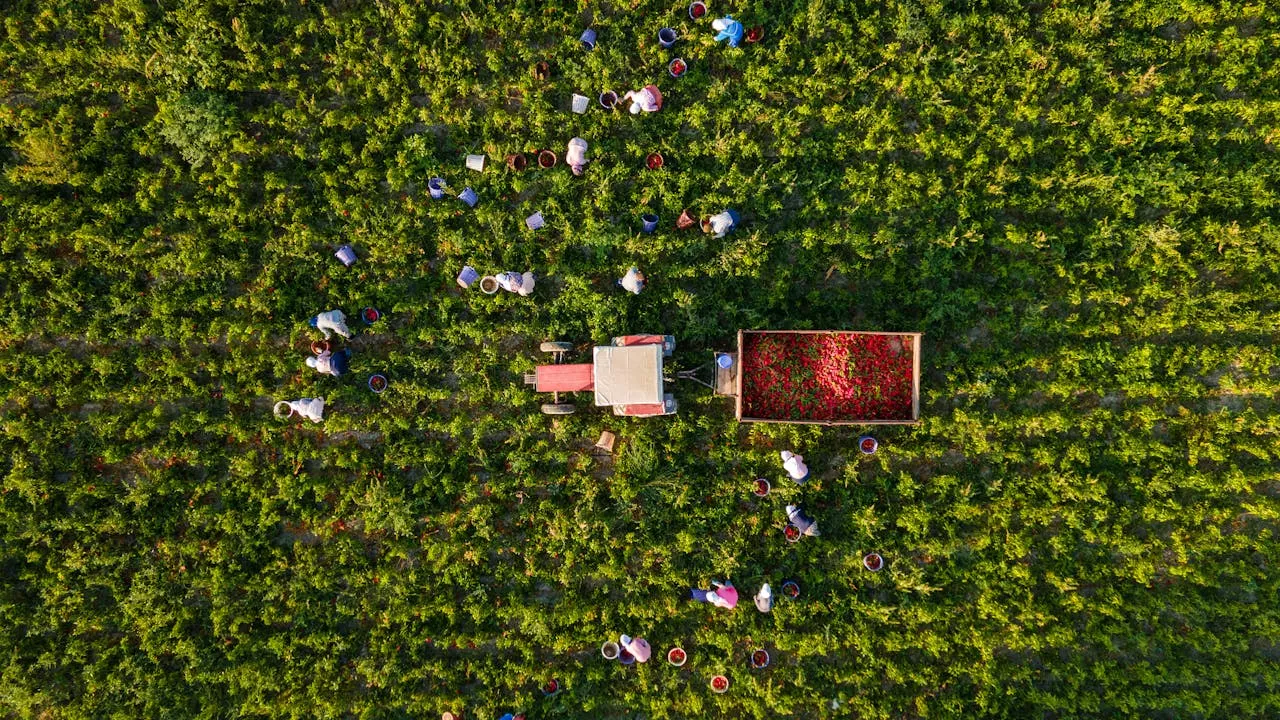
The FarmTogether Sustainable Farmland Fund is structured to pursue two key long-term investment objectives: durable income generation and capital appreciation. It seeks to achieve this through direct ownership of premium U.S. farmland, with a particular focus on permanent crops—long-lived agricultural assets such as orchards and vineyards that can generate recurring income over extended periods.
Unlike row crops, permanent crops often require significant upfront investment and ongoing management expertise, but they can provide attractive long-term returns when strategically managed.
FarmTogether’s fund focuses on small- to mid-sized farms located in some of the nation’s most productive agricultural regions, including:
The portfolio strategy emphasizes off-market acquisitions, enabling FarmTogether to source assets that may not be broadly available to competitors or public buyers. Combined with a disciplined underwriting process, this approach is intended to identify attractive properties with strong long-term value potential.
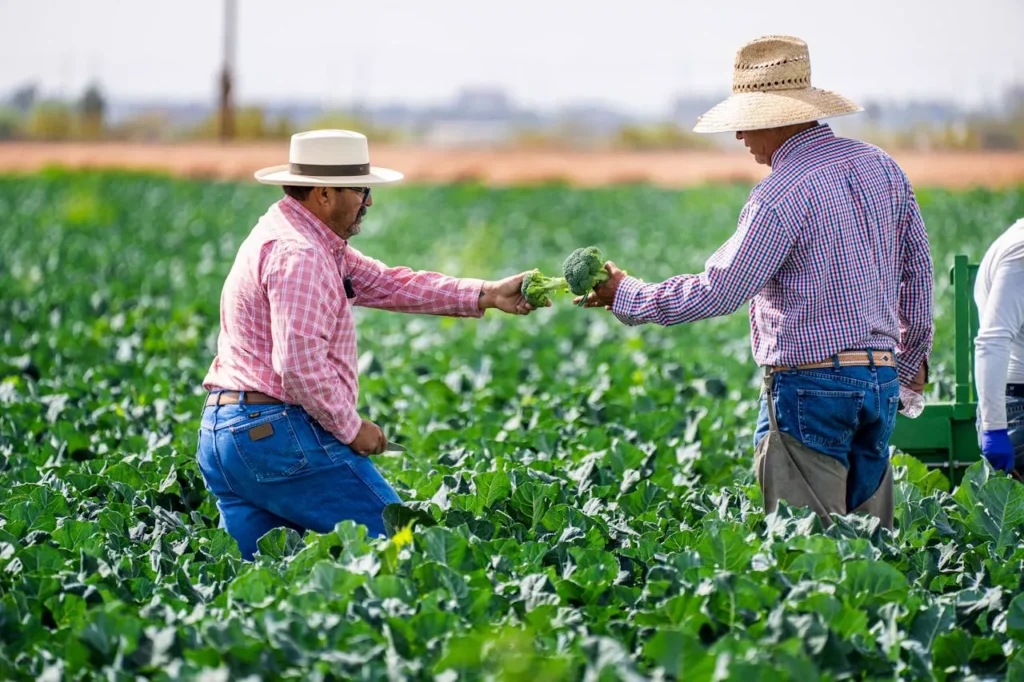
A defining feature of the FarmTogether Sustainable Farmland Fund is its commitment to environmentally responsible agricultural practices.
The portfolio incorporates farming strategies aligned with the Leading Harvest Farmland Management Standard, a widely recognized framework developed to advance sustainability across agricultural operations. This standard emphasizes measurable outcomes in areas such as:
As environmental, social, and governance (ESG) considerations become increasingly important to investors, sustainable farmland is emerging as an asset class capable of delivering both financial returns and measurable environmental impact.
By integrating these principles into its farmland strategy, FarmTogether aims to provide investors with access to assets positioned for long-term productivity while supporting more sustainable food production systems.
For Alto, the partnership reflects growing investor demand for nontraditional assets that can complement public market holdings.
“At Alto, our focus is on bringing compelling investment opportunities to our customers, and farmland is where we see growing interest,” said Evan Deussing, CIMA®, Senior Vice President of Revenue at Alto.
“As investors look to build more resilient, diversified retirement portfolios, asset classes like farmland are becoming a more serious part of that conversation. FarmTogether offers a disciplined approach that makes this an opportunity our investors should consider.”
The statement underscores a broader shift in retirement planning, where more investors are exploring private markets—including private equity, venture capital, real estate, and now farmland—as part of a long-term wealth-building strategy.
One of the key motivations behind expanding access to farmland investments is the need to reduce concentration risk in retirement accounts.
Many retirement savers unknowingly hold overlapping exposure across multiple funds and indexes, resulting in portfolios heavily concentrated in the same major public companies.
According to Eric Satz, Founder and CEO of Alto, that creates a hidden vulnerability.
“Many retirement portfolios today are heavily concentrated in the same underlying companies and end up invested in many of the same stocks through different indexes,” Satz explained. “That creates a kind of herd mentality, leaving investors more exposed to correlated risk than they realize.”
He added that incorporating alternative assets such as farmland can help investors build more balanced and resilient long-term strategies.
“Farmland offers a differentiated source of returns and can play an important role in true diversification.”
FarmTogether emphasizes that the fund provides exposure not just to farmland broadly, but specifically to specialty crops, which can offer differentiated income profiles.
“Investors who are thinking seriously about diversification often find that their retirement portfolios remain heavily concentrated in public markets,” said Chris Loomis, Director of Investor Relations at FarmTogether.
“The Sustainable Farmland Fund provides differentiated exposure through direct ownership of specialty crops such as tree nuts and citrus, with a focus on long-duration, income-producing permanent crops.”
Tree nuts, citrus, and similar crops often benefit from strong consumer demand and long-term pricing support, making them appealing targets for farmland investors seeking dependable income and inflation-linked growth.
To support investor understanding of the opportunity, Alto and FarmTogether recently co-hosted a live educational webinar detailing the investment thesis behind the fund.
The session explored:
The webinar has been made available on demand, allowing prospective investors to review the fund strategy and better evaluate whether farmland aligns with their retirement goals.
The partnership between Alto and FarmTogether represents more than just a new investment listing—it reflects a broader democratization of private market investing.
As digital platforms continue to reduce barriers to entry, retail investors are gaining access to asset classes that were once available only to institutions and ultra-high-net-worth individuals.
Farmland, long considered one of the world’s most essential and enduring assets, is now becoming a realistic retirement allocation option for a wider audience.
For investors looking to diversify beyond traditional public markets, hedge against inflation, and participate in the long-term value of U.S. agriculture, this latest offering may signal a new frontier in retirement investing.
Source Link:https://www.businesswire.com/