

Ascribe Partners with Corteva to Expand Phytalix® Biofungicide Seed Treatments
Ascribe Bio has announced a strategic research and development collaboration with Corteva aimed at expanding the potential of its innovative biological crop protection technology. The multi-year partnership will focus on evaluating the use of Ascribe’s proprietary ascaroside-based biofungicide platform as a seed treatment solution designed to protect crops from early-season fungal diseases. By combining Ascribe’s novel biological technology with Corteva’s global expertise in seeds and seed treatment systems, the collaboration aims to develop new solutions that enhance crop health while supporting sustainable agriculture.
The initiative represents an important step forward for the agricultural biologicals sector, which continues to grow as farmers increasingly seek alternatives or complements to traditional chemical crop protection products. Seed treatment technologies, in particular, have become an essential tool for growers looking to protect emerging crops from pests and diseases during the most vulnerable stages of development.
Rising Importance of Seed Treatment Technologies
The global seed treatment market has experienced significant expansion over the past decade as agricultural producers look for efficient ways to safeguard yields and improve crop establishment. Industry forecasts suggest that the market could reach approximately USD 11 billion by 2030, reflecting robust demand for innovative technologies that enhance crop protection while minimizing environmental impact.
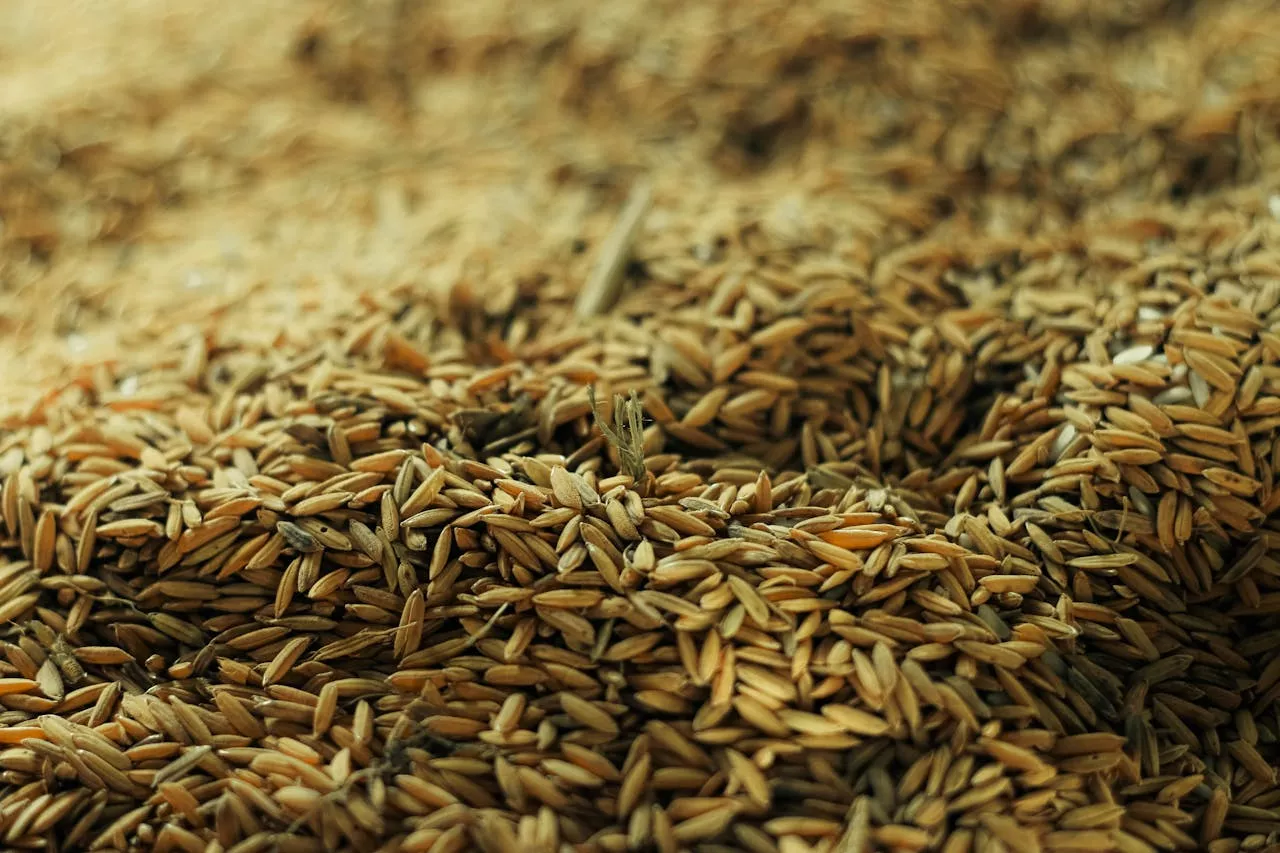
Seed treatments involve applying protective substances—such as fungicides, insecticides, or biological agents—directly onto seeds before planting. This targeted approach helps shield seeds and young seedlings from pathogens and pests present in the soil, reducing the need for widespread chemical spraying later in the season. As sustainability concerns continue to shape agricultural practices, biological seed treatments have emerged as a promising area of innovation.
Biofungicides, which use naturally derived compounds or living organisms to suppress plant diseases, are gaining traction because they often offer lower toxicity, improved environmental compatibility, and compatibility with integrated pest management programs. Farmers are increasingly exploring these solutions as they seek ways to maintain productivity while meeting regulatory and sustainability goals.
Expanding the Potential of Ascaroside Technology
At the center of the collaboration is Ascribe Bio’s proprietary technology platform built around ascarosides, a group of naturally occurring small molecules that play a role in biological signaling. Some ascarosides have been shown to stimulate plant immune responses by activating pathogen resistance pathways.
Ascribe Bio has been working to harness these molecules for agricultural use through its flagship product line known as Phytalix®. The technology is currently being commercialized primarily for foliar crop protection applications, where it can be sprayed on plant leaves to trigger natural defense mechanisms against diseases.
According to the company, recent research indicates that the same mechanism may provide benefits when applied earlier in the crop lifecycle—directly on seeds before planting. This approach could potentially provide protection at a critical stage of development when crops are especially vulnerable to soil-borne pathogens.
Jay Farmer, Chief Executive Officer of Ascribe Bio, emphasized that expanding the use of the technology into seed treatment applications represents a logical next step for the company’s research.
“Ascribe’s recent work has focused on using Phytalix® in foliar crop protection products,” Farmer said. “Our research now shows that the same non-toxic mode of action can also benefit crops when applied as a seed treatment. This collaboration will allow us to develop that potential at scale with a global leader in seeds and seed care.”
Protecting Crops at the Earliest Stage
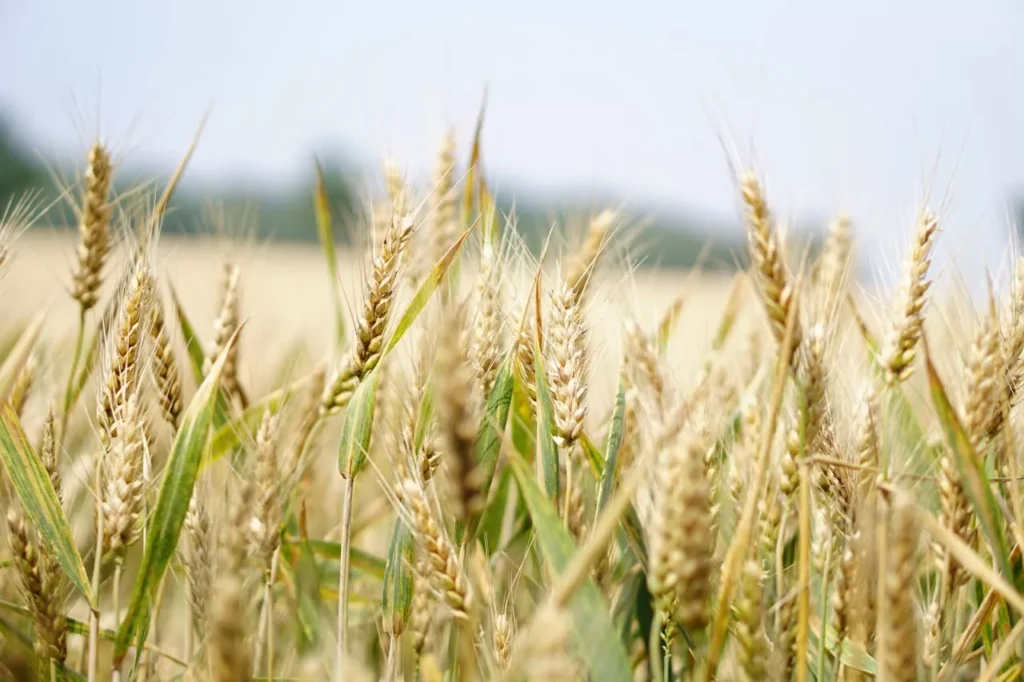
One of the main goals of the collaboration is to evaluate how ascaroside-based treatments can help protect germinating seeds from soil-borne diseases. These pathogens—including various fungi that attack seeds and young roots—can significantly reduce crop establishment and ultimately lower yields if not effectively managed.
By applying biofungicide compounds directly to seeds, the treatment can provide protection immediately after planting. This early-stage protection may help seeds germinate successfully, support healthier root systems, and strengthen seedlings against environmental stresses.
Researchers involved in the project will explore how the technology interacts with plants during germination and early growth. When activated, plant immune pathways may help crops better defend themselves against fungal pathogens that typically infect during the early stages of development.
Improved root health is another potential benefit of the technology. Stronger root systems can enhance nutrient uptake and water absorption, helping crops maintain resilience during periods of stress such as drought or temperature fluctuations.
Combining Expertise from Both Companies
The collaboration leverages complementary expertise from both organizations. Ascribe Bio will lead the core scientific work associated with the project, focusing on research activities designed to evaluate the biological performance of the ascaroside technology in seed treatment applications.
This work will include laboratory research to study how the molecules interact with seeds and seedlings, as well as early-stage field trials aimed at measuring effectiveness under real-world farming conditions.
Corteva will contribute its extensive experience in seed technologies, formulation development, and large-scale agronomic testing. The company operates one of the world’s most advanced agricultural research networks, with field testing capabilities across diverse crop-growing regions.
Tom Greene, senior director and global lead for Corteva Catalyst, highlighted the importance of exploring innovative biological approaches that can complement existing crop protection strategies.
“Seed treatments are a critical first step in protecting the crop,” Greene said. “Our collaboration with Ascribe offers additional opportunities to explore how a new biological mode of action could fit into integrated seed protection programs for farmers that are both effective and sustainable.”
Advancing Sustainable Crop Protection
The partnership reflects a broader industry trend toward integrating biological solutions into modern crop management systems. Agricultural companies, researchers, and farmers are increasingly combining biological technologies with conventional tools to create more resilient and environmentally responsible farming systems.
Biological seed treatments are particularly attractive because they can be applied in small quantities directly on seeds, minimizing environmental exposure while maximizing targeted protection. In addition, these products often work through mechanisms that stimulate natural plant defenses rather than directly attacking pathogens.
This approach can reduce the risk of resistance development among disease-causing organisms, an issue that has become a growing concern with some traditional chemical fungicides.
For farmers, the ability to integrate biological seed treatments into existing crop management systems offers flexibility. These solutions can often be used alongside conventional fungicides or other treatments, allowing growers to tailor protection strategies based on local disease pressures and agronomic conditions.
Research and Field Evaluation
Under the terms of the agreement, Ascribe Bio will conduct foundational research and early testing to determine how effectively the ascaroside technology performs as a seed treatment. Laboratory experiments will analyze plant responses and pathogen suppression mechanisms, while initial field trials will evaluate crop performance under real farming conditions.
Corteva’s role will include supporting the development of formulations that allow the biological molecules to be effectively applied to seeds while maintaining stability and performance during storage and planting.
In addition, Corteva will provide access to advanced seed treatment equipment and infrastructure used for commercial-scale seed coating. The company will also conduct agronomic testing in multiple growing regions to assess the technology across different crops, climates, and soil conditions.
This collaborative approach is designed to accelerate development while ensuring the technology meets the practical needs of farmers worldwide.
Future Opportunities in Biological Agriculture
The partnership between Ascribe Bio and Corteva underscores the growing importance of biological innovations in agriculture. As global food demand continues to rise, the industry faces increasing pressure to produce more crops while reducing environmental impact.
Technologies that enhance natural plant resilience and reduce reliance on synthetic chemicals are expected to play a key role in meeting these challenges.
If successful, the development of ascaroside-based seed treatments could open new opportunities for biological crop protection across a range of crops. Such technologies could become valuable tools for farmers seeking sustainable solutions that protect yields while supporting soil health and ecosystem balance.
While the collaboration is still in its research phase, both companies see significant potential in the technology. By combining advanced biological science with established seed treatment expertise, the partnership aims to deliver innovative solutions that support the future of sustainable agriculture.
As research progresses over the coming years, the results of the project may help shape the next generation of seed protection technologies—offering farmers new tools to safeguard crops from the earliest stages of growth while contributing to more resilient agricultural systems worldwide.
Source Link:https://www.businesswire.com/