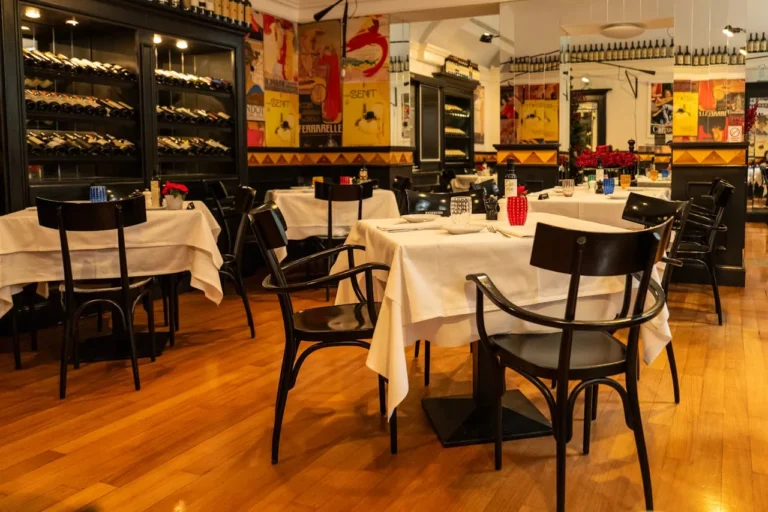


Wynns Coonawarra Estate Leader Graduates from Future Leaders Program
Nick Baverstock, Senior Vineyard Manager at Wynns Coonawarra Estate, has graduated from Wine Australia’s 2025 Future Leaders program, marking another milestone in his contribution to the Australian wine sector. His achievement not only reflects personal professional growth but also reinforces the growing emphasis on leadership development, workforce resilience, and cultural diversity within the industry.
Through his participation in the program, Nick highlighted the importance of embracing multiculturalism and building deeper partnerships with labour hire companies as essential pillars for a sustainable and resilient regional wine workforce. Joining fellow Treasury Wine Estates colleagues and alumni Ben Harris and Catherine Kidman, Nick’s graduation strengthens an expanding network of forward-thinking leaders shaping the future of Australian wine.
A Multicultural Foundation on South Australia’s Limestone Coast
Set against the dramatic landscape of South Australia’s Limestone Coast, the Coonawarra wine region is internationally recognised for its terra rossa soils and premium Cabernet Sauvignon. Yet beyond its viticultural excellence, the region is also defined by something equally powerful: its cultural diversity.
Over recent years, families from Southeast Asia, Afghanistan, China, and other parts of the world have settled in the region, contributing not only to the local labour force but also to the social and cultural fabric of the community. For Nick Baverstock, this multiculturalism is not merely a demographic trend—it is a defining strength.
He believes the region’s diversity is woven into the very essence of its vineyards and ultimately reflected in the wines crafted there. The blending of traditions, languages, cuisines, and perspectives has enriched the local community and strengthened the resilience of the wine sector. Rather than viewing diversity solely as a workforce solution, Nick sees it as a competitive advantage and a point of difference for regional South Australia.
The Future Leaders Program: Developing Industry Changemakers
The Future Leaders program, supported by Wine Australia and Australian Grape & Wine, has been operating for nearly two decades. Over that time, it has produced more than 150 alumni who now influence the sector at regional, national, and global levels.
The 2025 intake was highly competitive. Fifteen participants were selected from a pool of more than 80 applicants, representing a broad cross-section of the industry—from vineyard managers and winemakers to marketers and sommeliers. The program ran between June and November and included workshops and immersive sessions held across regional New South Wales, Melbourne, the Adelaide Hills, and the Hunter Valley.
The initiative is designed to equip participants with the skills, strategic thinking, and collaborative mindset required to navigate the increasingly complex landscape facing Australian wine. From climate volatility and sustainability challenges to shifting consumer preferences and global market pressures, today’s leaders must operate with agility and vision.
For Nick, the program provided an invaluable opportunity to step outside the demands of day-to-day vineyard management and engage with peers from across the industry. The experience broadened his perspective on the structural and cultural challenges shaping the sector’s future.
Sparking Industry Conversations Through Thought Leadership
A key component of the program involved contributing to Volume 5 of the Future Leaders Thought Leadership publication. Participants were encouraged to explore pressing issues impacting the wine industry’s trajectory, including workforce development, sales and marketing strategies, sustainability, and evolving consumer trends.
Nick’s contribution focused on the role of a resilient and culturally diverse workforce in securing a sustainable future for Australian wine. Drawing from his own professional experience in Coonawarra, he examined how deeper, trust-based relationships with labour hire partners can transform workforce dynamics.
He reflected particularly on his relationship with a Malaysian couple who operate a local labour hire company. Through mutual respect and collaboration, their partnership extended far beyond transactional employment arrangements.
“They’ve given me and my family a deeper perspective on culture, food and what it’s like to settle into a regional community,” Nick shared. “In return, we’ve helped them understand the nuances of doing business in the region, as well as the industry and the people who have long been part of it.”
This exchange of knowledge and experience illustrates the broader point he advocates: that genuine engagement fosters loyalty, stability, and long-term workforce resilience.
Moving Beyond Transactional Workforce Models
Seasonal labour has long been a cornerstone of viticulture. However, Nick argues that relying solely on transactional relationships with labour hire agencies limits the industry’s potential for sustainable growth.
Instead, he calls for a shift toward deeper, more collaborative partnerships—relationships that recognise workers not just as labour resources, but as valued contributors to regional communities. By building trust, cultural understanding, and long-term engagement, wine businesses can create stronger foundations for operational continuity.
This approach also ensures that workers and their families feel supported and integrated within the community. In turn, this stability reduces turnover, enhances skill retention, and fosters a shared sense of pride in the wines being produced.
Nick believes that the cultural influence and contribution of migrant communities should be acknowledged and celebrated as part of the industry’s identity.
“As an industry, we can acknowledge and weave their cultural influence and contribution into the essence of our vineyards and, ultimately, the wine we proudly craft for enjoyment all over the world,” he said.
National Spotlight on Regional Diversity
The multicultural character of the Limestone Coast wine community has also attracted national attention. Australia’s public broadcaster, Australian Broadcasting Corporation, featured the region in an episode of its television series Back Roads, which highlights stories from regional and rural Australia.
The episode focused on Naracoorte, near the Coonawarra wine region, and shared the inspiring story of Mohammad and Adela Karimi, Hazara Afghans who migrated to Australia with their four sons. Now actively involved in the wine industry, the family’s journey reflects resilience, ambition, and community integration.
Three of their adult sons study and work in Melbourne, while their youngest son, Jamshid, continues his studies in Naracoorte with aspirations of becoming a pilot. Their story underscores how regional wine communities are not only economic hubs but also places of opportunity and new beginnings.
Such stories reinforce Nick’s belief that diversity is a defining feature of the region’s identity and a vital ingredient in its continued success.
A Tradition of Building Industry Leaders
Nick now joins colleagues Ben Harris and Catherine Kidman as graduates of the Future Leaders program, reinforcing a strong culture of leadership development within his organisation.
Reflecting on the experience, he described it as both a privilege and a turning point.
“It was a privilege to be a part of the program, to step outside of my day-to-day job and connect with people from every corner of the industry,” he said.
“From sommeliers to marketers and winemakers, everyone brought different views on the future of our sector in an environment that encouraged collaboration on ideas and solutions.”
The diversity of professional backgrounds among participants fostered rich dialogue and broadened his understanding of how interconnected the industry truly is. He now feels better equipped to contribute strategically and confidently to conversations shaping Australian wine’s future.
Leadership for a Changing Environment
Wine Australia CEO Dr Martin Cole congratulated the graduates, emphasising the strength and depth of talent across the sector.
“The calibre of this year’s cohort speaks volumes about the depth of talent and drive across our sector,” he said.
He also highlighted the importance of bold, collaborative leadership in an increasingly complex operating environment. Climate pressures, global competition, shifting trade dynamics, and changing consumer expectations all require innovative thinking and unified action.
Graduates of the Future Leaders program, including Nick Baverstock, are well positioned to meet these challenges. By championing diversity, strengthening workforce partnerships, and fostering cross-sector collaboration, they represent a new generation of leadership committed to ensuring the long-term sustainability and global reputation of Australian wine.
As the industry continues to evolve, leaders like Nick demonstrate that the future of Australian wine will be shaped not only by terroir and technique, but by people, partnerships, and shared purpose.
Source link: https://www.tweglobal.com/