
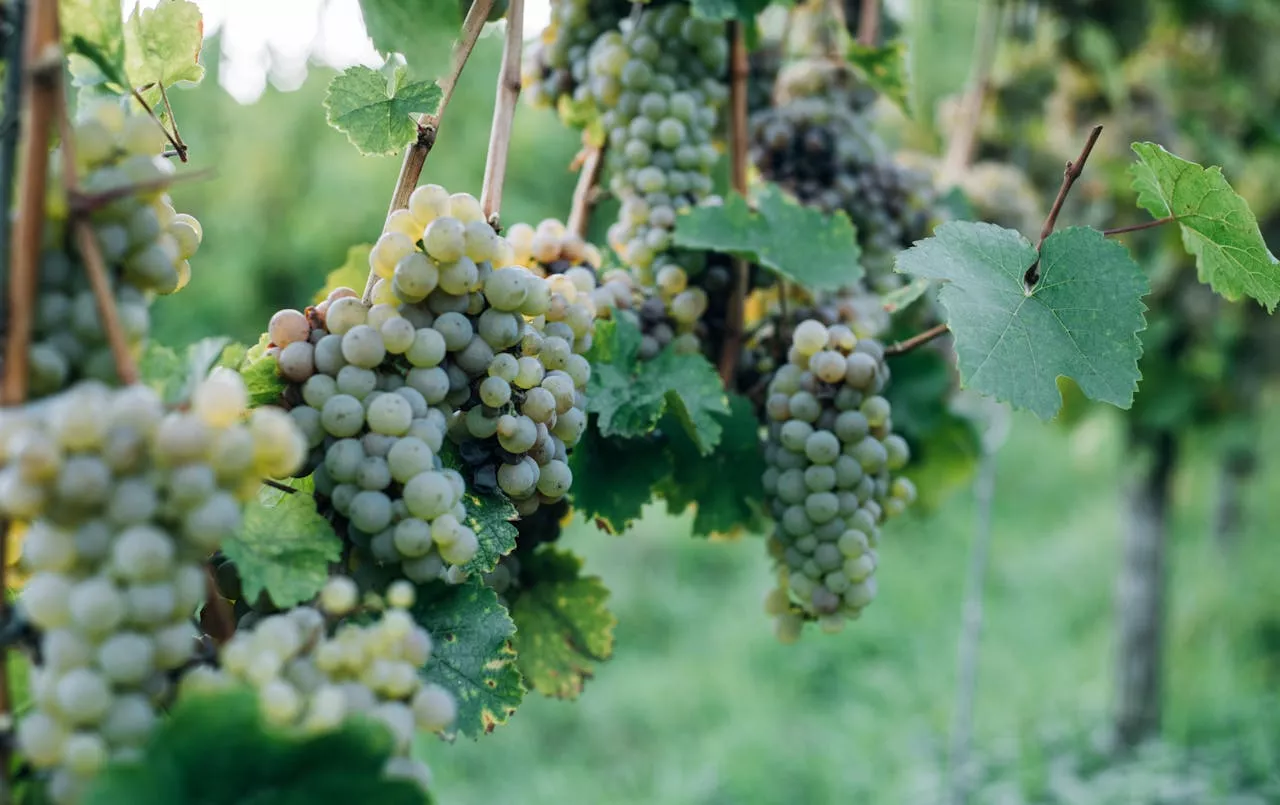
The 2025 California winegrape harvest wrapped up in early November, marking the end of a long, steady growing season defined more by consistency than extremes. Across the state’s diverse wine regions, the year unfolded without the dramatic heat spikes, wildfire disruptions, or sudden weather shocks that have increasingly shaped recent vintages. Instead, a cool spring followed by a mild, temperate summer allowed vines to progress at an unhurried pace, encouraging even ripening and strong vineyard health from budbreak through harvest.
Mild conditions persisted well into the fall, creating an extended window for picking and giving growers the flexibility to fine-tune harvest decisions. The result, many vintners say, is a vintage that emphasizes balance, clarity, and site expression rather than sheer power. Reds are expected to deliver depth, structure, and layered complexity, while whites are showing bright acidity, precision, and aromatic lift.
“The 2025 wines will lean toward elegance rather than opulence,” said Melissa Paris, winemaker at Alpha Omega Winery in St. Helena. “This is a vintage that celebrates restraint and vineyard expression. The fruit didn’t rush, and neither did we.”
A Later-Than-Average Start
One of the defining characteristics of the 2025 season was its delayed timeline. In many regions, harvest began up to two weeks later than historical averages, largely due to the cooler-than-normal spring that slowed early vine development. While the later start initially raised concerns about fall weather risks, the extended season ultimately proved beneficial, allowing grapes to mature gradually and develop flavor complexity at lower sugar levels.
Yield reports varied by region, though many growers described volumes as average to slightly below average. According to the U.S. Department of Agriculture, California winegrape production for 2025 is forecast at approximately 3 million tons, representing a modest 4% increase from 2024 but still about 16% below the average of the previous three years. The California Association of Winegrape Growers (CAWG) has issued a more conservative estimate, projecting just under 2.5 million tons, compared with 2.88 million tons harvested in 2024.
Despite the lower production outlook, quality expectations remain high, with winemakers broadly optimistic about the vintage’s aging potential and stylistic versatility.
Cool Weather Encouraged Slow, Even Ripening
Cooler-than-average temperatures were a unifying theme across California in 2025, though their effects varied by appellation. In Napa Valley, the measured pace of the season evoked comparisons to more “classic” vintages of the past.
“The season felt less dramatic and more deliberate,” Paris said. “We saw the kind of slow, steady ripening that allows tannins, acids, and flavors to come into balance naturally.”
In the Central Valley, growers expressed early confidence in fruit quality as harvest began. Chris Smith, director of winegrowing at Bogle Family Wine Collection in Clarksburg, noted that early-ripening varieties showed exceptional promise from the outset.
“Quality was high right out of the gate,” Smith said. “We saw incredible color development and strong flavor profiles early on, which set a positive tone for the rest of the harvest.”
The start of picking differed widely depending on proximity to the coast and marine influence. In Sonoma County’s Carneros region, Ram’s Gate Winery began harvesting on August 25, but fruit closer to the Pacific ripened far more slowly.
“Vineyards influenced by coastal fog, along with later-ripening varieties like Mourvèdre, Syrah, and Cabernet Sauvignon, really took their time,” said Joe Nielsen, director of winemaking at Ram’s Gate. “Some blocks weren’t ready until well into October.”
Further south, the Central Coast followed a similar trajectory. Paso Robles experienced a notably cool growing season, including what growers described as the mildest July on record. Harvest there began roughly one to ten days later than average.
“If we had eight days over 100 degrees all year, I’d be surprised,” said Stasi Seay, director of vineyards at Hope Family Wines in Paso Robles. “That’s just not typical for us.”
Lower Brix levels at harvest became a hallmark of the season, contributing to excellent flavor development without excessive sugar accumulation. For red varieties, this translated into vibrant color, fresh acidity, and balanced phenolic ripeness.
Navigating Late-Season Rains
While the season was largely predictable, September and October brought periods of rain that required careful vineyard management. Though not widespread enough to derail the harvest, the showers tested timing, logistics, and teamwork across many regions.
Some producers chose to harvest earlier to avoid potential disease pressure. At Freeman Winery in Sebastopol, which sources fruit from the Russian River Valley and the West Sonoma Coast, proactive decisions and rigorous sorting paid off.
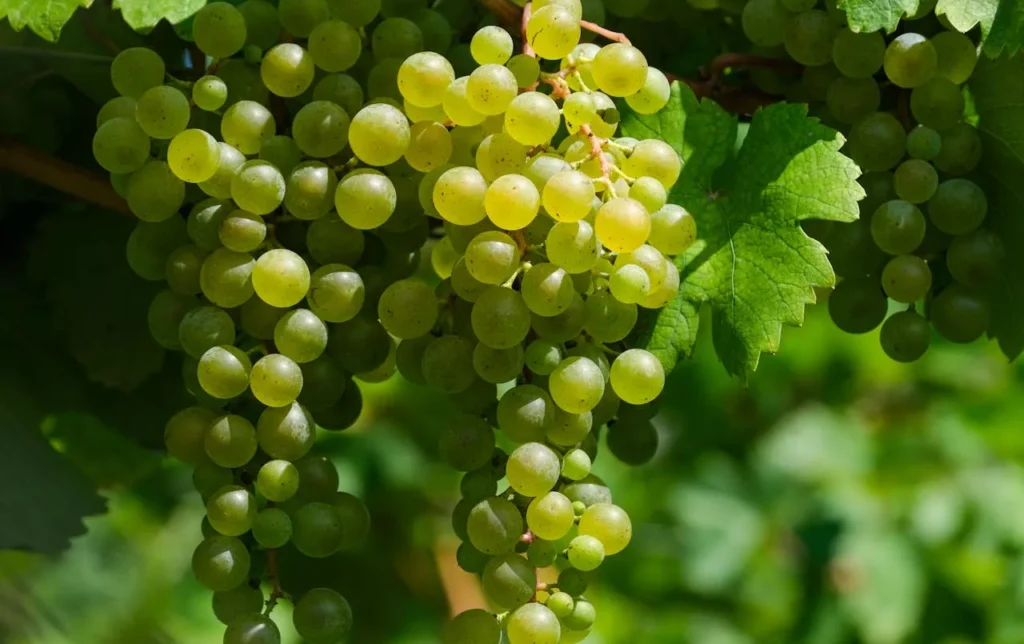
“Our Pinot Noir came in beautifully, with low Brix and great flavor,” said winemaker and co-founder Akiko Freeman. “Half of our Chardonnay arrived after the significant rain, but our growers dropped any problematic clusters in the vineyard. What we received was clean, healthy fruit.”
Other wineries took a different approach, focusing on canopy management to mitigate moisture risks. At Ram’s Gate, teams opened fruiting zones to improve airflow and reduce mildew pressure.
In Napa Valley, Paris observed that rain events added dimension rather than detracting from quality, particularly for Cabernet Sauvignon grown on well-drained sites.
“The rain really challenged our timing, but it also brought a level of concentration and nuance,” she said. “It reminded us that agility is just as important as patience in a year like this.”
A Vintage Defined by Freshness and Balance
Across California, the cool 2025 season allowed grapes to reach physiological maturity at lower sugar levels, a factor many winemakers believe will define the vintage’s style. Whites are expected to showcase exceptional acidity and aromatic purity, while reds balance intensity with finesse.
White varieties such as Chardonnay, Pinot Blanc, and Sauvignon Blanc are showing particular promise. Nielsen noted that extended hang time helped preserve freshness while enhancing textural complexity.
For reds, longer ripening periods contributed to wines with energy and tension on the palate, complemented by deep color and refined tannin structures in later-picked varieties.
In Napa Valley, Cabernet Sauvignon and Cabernet Franc delivered rich color, fine-grained tannins, and layered flavors. Sauvignon Blanc exhibited vibrant citrus and stone fruit notes, while Chardonnay expressed minerality and focus.
Central Coast producers echoed similar themes, citing energetic whites and reds with impressive depth. Some winemakers intentionally picked Chardonnay at lower sugar levels to avoid rain exposure, resulting in fresher stylistic expressions.
“We’re going to see some brighter wines this year,” said Steve Peck, vice president of winemaking at J. Lohr Vineyards & Wines, which farms estate vineyards in Monterey County and Arroyo Seco. “Instead of alcohol levels closer to 14.5%, many wines will be just over 13.5%. That really aligns with the contemporary style we’re aiming for.”
Peck added that Paso Robles reds were particularly impressive across price tiers.
“Some of our vineyards that typically go into our $20 Cabernet tasted like they belonged in our $50 bottle,” he said. “We really struck a beautiful balance in Paso this year.”
As the wines continue to evolve in barrel and tank, growers and winemakers agree that 2025 stands out as a vintage defined by restraint, clarity, and harmony. The full 2025 California Harvest Report includes detailed regional breakdowns from Napa Valley, Sonoma County, Suisun Valley, Santa Clara Valley, Lodi, Paso Robles, Santa Barbara County, Temecula, and San Diego County, offering a comprehensive look at a season many believe will be remembered for its quiet excellence rather than headline-making drama.
Source Link:https://www.businesswire.com/