
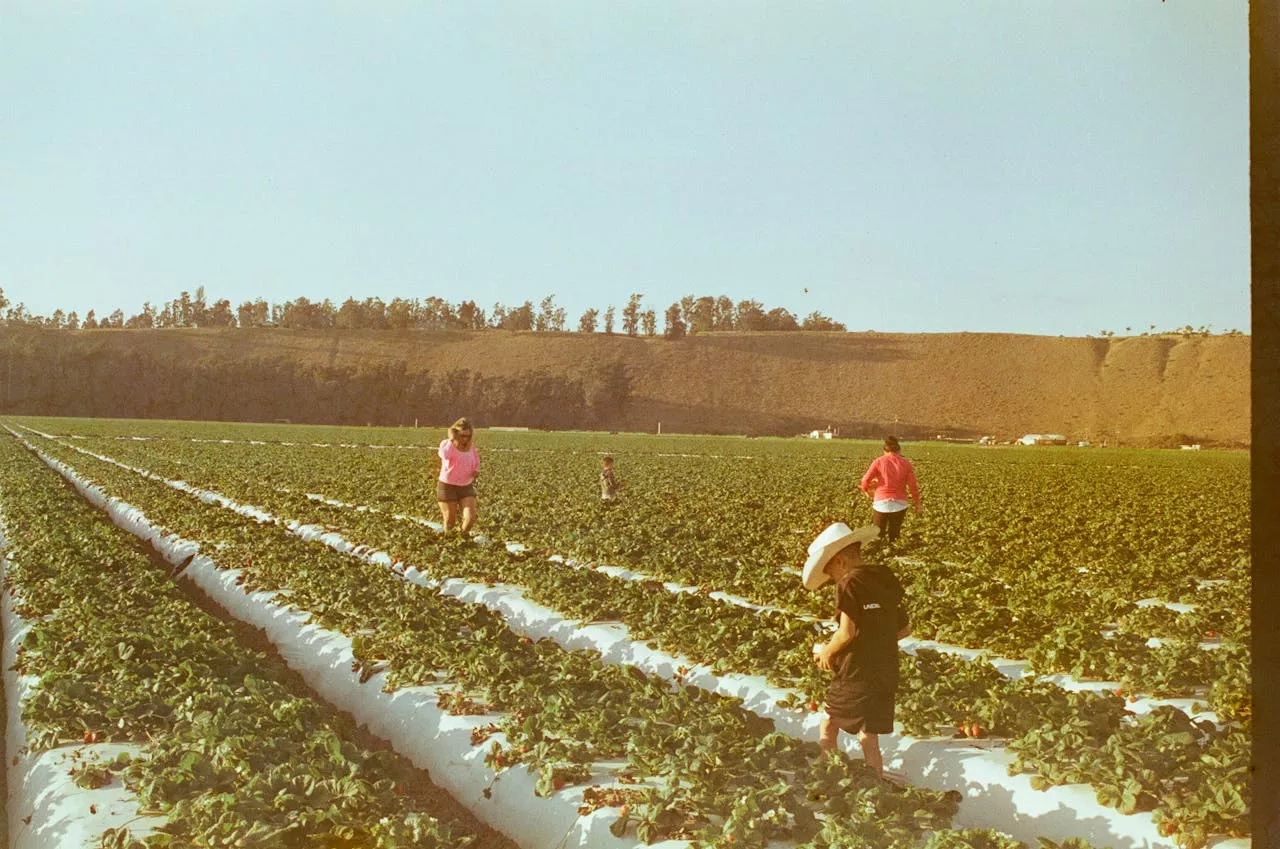
The rolling hills and fertile valleys of California have been home to pear orchards since the days of the Gold Rush. For over 150 years, multi-generational family farms have cultivated Bartlett and Bosc pears, building a legacy of quality and environmental stewardship. However, this historic industry is currently facing an existential threat—not from drought or disease, but from a relentless surge of low-priced imports from Argentina.
As California growers prepare for their annual harvest, they increasingly find themselves locked out of their own domestic market. The situation has reached a breaking point, prompting industry leaders to take their fight to Washington D.C., seeking intervention from the Office of the U.S. Trade Representative (USTR).
A Market Flooded: The Argentine Surge
The core of the problem lies in a massive shift in trade volume and timing. According to Chris Zanobini, Executive Director of the California Pear Advisory Board, Argentine exports of fresh pears to the United States have skyrocketed by 125 percent since 2016.
While Argentina has long supplied the U.S. during the winter months when domestic fruit is unavailable (the “counter-seasonal” period), the timing of these shipments has shifted aggressively. Zanobini notes that roughly 70 percent of Argentine pear imports now arrive in April and May. Because these pears are kept in cold storage for months, they hit retail shelves exactly when California farmers are getting ready to ship their first fresh, newly harvested fruit in early July.
“Argentina has been flooding the U.S. market just before the start of California’s harvest,” Zanobini explains. “Retailers feature these low-priced imports instead of newly harvested U.S. pears. It’s a devastating impact on our growers.”
The “Ripeness Gap” and the Consumer Experience
The competition isn’t just about price; it’s about quality and chemistry. Because Argentine pears arriving in the spring and summer have often been stored for half a year, many shippers use 1-Methylcyclopropene (1-MCP). This anti-ripening agent extends the fruit’s storage life, but it comes with a significant downside: it can prevent pears from ever ripening properly once they reach the consumer’s kitchen.
California pear shippers have collectively pledged never to use this chemical, prioritizing a superior eating experience. However, this commitment creates a market paradox:
- The Argentine Product: Old, stored fruit that looks fresh due to chemical intervention but often fails to ripen or soften.
- The California Product: Freshly picked, naturally ripening fruit that is ready to eat.
When retailers stock the cheaper, long-stored Argentine fruit, consumers often end up with a poor-quality product. Furthermore, retail data suggests that these lower import costs are rarely passed on to the shopper. Retailers buy cheap but sell at standard prices, pocketing the difference while the farmer loses out.
The Economic Toll: A Lost Opportunity
The real-world consequences of this trade imbalance are tangible and immediate. Zanobini recounts a recent incident where a major national grocery chain had planned a massive promotion for early-season California pears. The promotion included a price premium, reflecting the high quality of the fresh domestic harvest.
At the eleventh hour, the retailer canceled the entire program. The reason? The market was so oversaturated with cheap Argentine fruit that the retailer chose the higher profit margins of the imports over the quality of the domestic crop. California shippers lost the sales, the premium, and the shelf space.
James Christie, president of Bryant Christie Inc. (BCI), emphasizes that this is not an isolated incident but a trend that is shrinking the industry. Acreage is disappearing, and the number of pear growers continues to decline.
Seeking a New Trade Strategy
The California pear industry is now asking the USTR for more than just sympathy; they are asking for structural relief. While tariffs are the traditional tool for trade disputes, Christie argues that they may not be enough to save the industry in its current state.
Instead, the industry is requesting:
- Strict Quotas: Limiting the volume of Argentine pears allowed into the U.S. to prevent market saturation.
- Blackout Periods: Defining specific windows of time—specifically during the peak California harvest—where these imports cannot enter the country.
“The USTR has indicated they are looking for ways to help U.S. farmers manage import pressures,” Christie said. “That is exactly what we are asking for. California’s pear industry may be small, but these are small family farmers, and defending them should be a priority.”
A Broader Agricultural Crisis
The struggle of the pear farmer is a microcosm of a larger trend in American agriculture. From soybean farmers to cattle ranchers and citrus growers, many domestic producers feel they have been left behind by recent trade negotiations.
There is also a growing frustration regarding the geopolitical irony of the situation. While the U.S. administration has provided significant financial support to the Argentine government, domestic farmers feel they are being undercut by the very country receiving American aid. The goal, industry leaders argue, is not to ban imports entirely, but to negotiate a “fair deal” that ensures American farmers aren’t squeezed out of their own backyards.
Why It Matters to the Consumer
If the California pear industry collapses, the loss goes beyond the farmers themselves. Consumers will lose:
- Freshness: Access to fruit harvested at peak ripeness rather than fruit stored for six months.
- Sustainability: California growers are global leaders in environmentally responsible farming practices.
- Food Security: Relying entirely on foreign imports for fruit creates vulnerabilities in the national food supply chain.
As these multi-generational farms fight to survive another season, the message to Washington is clear: without immediate and meaningful trade relief, a piece of American agricultural history may disappear forever.
Source Link:https://www.businesswire.com/