
Canada’s Seal Harvest Kicks Off Today Amid Rising Optimism
Communities throughout Newfoundland and Labrador and Quebec are once again turning their attention to the ocean as the 2026 seal harvest season begins. Along the coastline, boats carrying skilled and licensed sealers head out across the water, marking the start of an activity that has long been tied to the region’s culture, economy, and way of life. This year, however, those involved in the industry are approaching the season with a renewed sense of optimism that has not been felt in quite some time.
Participants in the harvest include members of Canada’s Seals and Sealing Network, a broad coalition made up of professional sealers, Indigenous communities, government representatives, and manufacturers of seal-based products. Together, they form a network that supports and promotes the sealing industry across the country. Many within this group feel that their work is finally gaining wider recognition and appreciation, both domestically and internationally.
Industry representatives say that this growing confidence is not unexpected. Over the past several years, there has been a noticeable shift in public perception, especially among younger Canadians who are increasingly interested in sustainable, locally sourced products. This shift has contributed to a stronger market for seal-derived goods and a greater understanding of the role sealing plays in coastal communities.
Demand for Canadian fur products, including seal pelts and skins, has been rising steadily. This trend is not limited to Canada; international markets are also showing renewed interest. Recent auction results for various types of fur have demonstrated strong global demand, suggesting that seal products could follow a similar trajectory. These developments have given industry participants hope that their products will reach a wider audience and secure a more stable economic future.
For those directly involved in sealing, the work represents more than just a livelihood. It is deeply connected to sustainability and environmental balance. Sealers emphasize that the products derived from their work are natural, high-quality, and responsibly sourced. They view sealing as part of a broader ecosystem management strategy, one that contributes to maintaining healthy marine populations and supporting biodiversity.
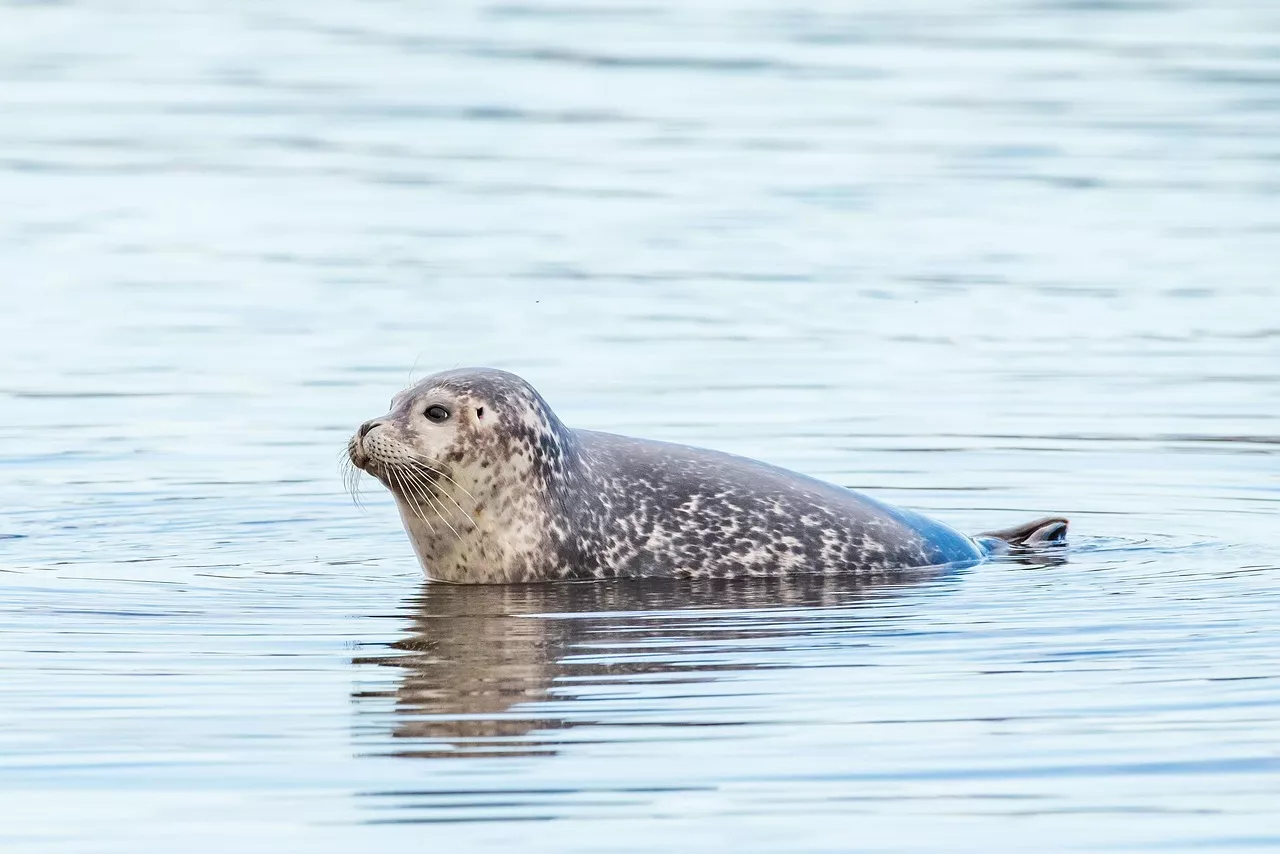
Government support has also played a role in boosting confidence within the industry. Fisheries and Oceans Canada continues to back the seal harvest and advocates for improved access to seal products both domestically and abroad. The country’s harp seal population, estimated to exceed four million, is considered abundant, and some argue that managing this population is necessary to protect other marine species.
Historically, the number of seals harvested has been relatively low compared to past levels, often representing only a small fraction of what was once typical. However, there is a growing expectation that this percentage will increase in the coming years as demand strengthens and market conditions improve. Industry leaders believe that expanding the harvest responsibly will benefit both the environment and the communities that depend on it.
Over the last five years, efforts to promote seal products have intensified. Through marketing campaigns and educational initiatives, organizations like the Seals and Sealing Network have worked to raise awareness about the benefits of seal-derived goods. These efforts appear to be paying off, as more Canadians are exploring products such as seal oil, meat, and fur.
Seal oil, in particular, has gained attention for its nutritional properties. It is rich in omega-3 fatty acids, which are widely recognized for supporting heart health, cognitive function, and overall well-being. This has positioned seal oil as a natural health product that appeals to consumers seeking alternatives to more conventional supplements.
Seal fur and leather also continue to hold cultural and practical significance. Traditionally used by northern and coastal communities to withstand harsh weather conditions, these materials are valued for their warmth, durability, and resistance to wind and water. In addition to their functional qualities, they are increasingly being embraced in fashion and design, where artisans and designers incorporate them into modern, sustainable creations.
Seal meat is another important product, often described as nutrient-dense and highly beneficial. It is rich in protein, iron, and essential vitamins, making it a valuable dietary option. Advocates highlight its ability to support energy levels, muscle development, immune function, and overall health. As interest in locally sourced and nutrient-rich foods grows, seal meat is gaining recognition as a viable and sustainable choice.
For many involved in the industry, the resurgence of interest in seal products represents more than economic opportunity. It is also about preserving traditions and supporting communities. The seal harvest has long been a seasonal source of income for coastal and Indigenous populations, providing financial stability during certain times of the year. Beyond its economic role, it is a practice deeply embedded in cultural identity and heritage.
The knowledge and skills associated with sealing have been passed down through generations, reflecting a long history of living in close connection with the natural environment. This tradition emphasizes respect for resources and a commitment to sustainable practices, ensuring that the harvest remains viable for future generations.
As the 2026 season gets underway, those involved in the sealing industry are hopeful that this renewed momentum will continue. They see an opportunity to strengthen local economies, promote sustainable products, and share an important part of Canada’s heritage with a broader audience. With growing support and increasing demand, the future of sealing appears more promising than it has in years.
Ultimately, the seal harvest is about more than the products it yields. It represents a way of life that balances economic needs, environmental stewardship, and cultural continuity. For the communities that depend on it, the season’s beginning is not just a return to work, but a reaffirmation of traditions that have endured for generations.
Source Link:https://www.businesswire.com/