
Chicago Food Recycling Efforts Grow Through New Denali–Green Era Partnership
Denali, the nation’s largest and most advanced recycler of food and organic materials, has announced a landmark partnership with Green Era, a pioneering community-based recycler located in Chicago. Green Era operates the Midwest’s first food-waste-only anaerobic digester, and together the two organizations are launching an ambitious effort to expand food waste recycling capacity, strengthen the regional circular economy, and generate meaningful environmental and community benefits. The collaboration represents a significant step forward for the Midwest’s sustainability infrastructure, creating a model that blends large-scale recycling systems with community-driven innovation.
Under the new agreement, Denali will become Green Era’s strategic sourcing partner for packaged, inedible food waste. Denali’s extensive national collection and logistics network will channel new streams of food waste to Green Era’s campus, enabling the Chicago-based nonprofit to serve more customers, increase its throughput, and maximize its ability to turn food waste into renewable energy, compost, and other valuable end products. This expanded sourcing capacity will help Green Era divert more than 150 million pounds of food waste annually—material that would otherwise end up in landfills, contributing to methane emissions and the loss of valuable nutrients from the food system.
Green Era’s operations stand out nationally for their innovative, integrated model, which blends anaerobic digestion, composting, urban agriculture, workforce development, science education, and community revitalization into one cohesive ecosystem. The organization’s 9-acre site in the Auburn Gresham neighborhood of Chicago is designed not only as a recycling and clean energy hub, but also as a community asset. The campus houses a state-of-the-art anaerobic digester capable of processing large volumes of organic waste and converting it into renewable natural gas and nutrient-rich digestate—a material that can be transformed into compost for urban farms, landscapers, and local growers. In addition, Green Era is building an onsite urban farm and marketplace that will bring fresh produce and new economic opportunities to a historically underserved community.
By partnering with Denali, Green Era will be able to scale its community impact even further. The collaboration will provide a steady supply of high-quality organic waste streams, ensuring efficient operation of the digester and consistent production of renewable energy and compost. This synergy between Denali’s national reach and Green Era’s community-anchored model represents a powerful example of how circular economy infrastructure can expand in ways that benefit both the planet and local residents.
“Green Era represents what the next generation of food recycling looks like—technologically advanced, environmentally smart, and deeply rooted in community impact,” said Eric Speiser, Chief Revenue Officer at Denali. “By combining our scale and expertise with their local innovation, we’re expanding the reach of circular food systems across the Midwest.” Speiser emphasized that Denali has long sought partners who share its vision for building resilient, sustainable organics recycling systems in regions of the country that lack sufficient infrastructure. Green Era’s approach, he noted, aligns perfectly with Denali’s mission.
The Auburn Gresham campus has already demonstrated remarkable success since opening. Green Era has diverted more than 150 million pounds of food waste from landfills while generating dozens of local jobs across operations, education, and agriculture. The facility also supports environmental education programs, workforce development initiatives for local residents, partnerships with schools, and opportunities for community members to learn about renewable energy, composting, and sustainable agriculture.
With Denali’s expanded sourcing network, Green Era is poised to increase its diversion rate, operate its digester more efficiently, and create additional employment opportunities. Workers are needed not only to help manage incoming food waste streams, but also to staff the growing compost, education, and urban agriculture programs. For Chicago’s South Side, this partnership represents a dual investment in environmental progress and economic opportunity.
“Partnering with Denali strengthens our ability to capture more food waste and transform it into valuable resources for our community,” said Jason Feldman, CEO of Green Era. “This collaboration reflects a shared vision for sustainable infrastructure that benefits both people and the planet.” Feldman added that the partnership reinforces Green Era’s mission to show how climate-positive infrastructure can be rooted in underserved neighborhoods, creating local value and long-term resilience.
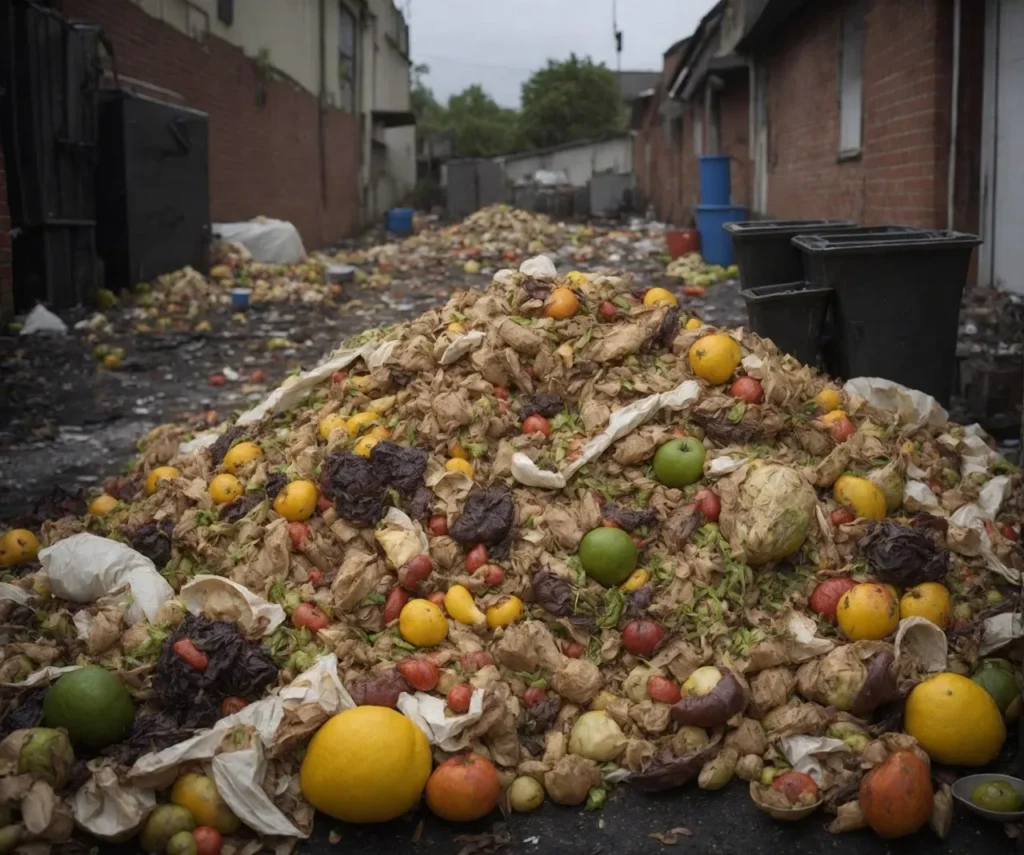
The significance of the partnership extends beyond Chicago. Across the United States, cities and states are increasingly adopting policies to divert organic materials from landfills, reduce greenhouse gas emissions, and expand renewable energy production. However, many regions still lack the infrastructure needed to achieve large-scale diversion goals. Denali and Green Era’s collaboration offers a replicable model: combining the reliability and scale of a national operator with the innovation and community investment of a local sustainability hub.
For Denali, the partnership is part of a broader commitment to strengthening the U.S. organics recycling industry. The company operates one of the country’s largest networks for collecting and processing surplus food and organic materials, working with grocery chains, food processors, farms, and municipalities. By channeling more of this material to advanced facilities like Green Era’s digester, Denali is helping accelerate the transition to a cleaner, more circular economy—one where food waste is viewed as a resource rather than a burden.
As a direct result of the partnership, organic materials that once would have been sent to landfills will now be converted into renewable natural gas, compost, and other beneficial products that support both environmental and economic goals. Renewable natural gas produced by anaerobic digestion reduces dependence on fossil fuels and lowers greenhouse gas emissions, while compost returns nutrients to the soil, supports sustainable agriculture, and enhances soil health. This closed-loop system ensures that food waste contributes to new cycles of growth rather than generating pollution.
The partnership also reflects a growing recognition that sustainability is strongest when it is grounded in local communities. Green Era’s work in Auburn Gresham demonstrates that advanced environmental technologies can successfully coexist with neighborhood revitalization, job creation, and equitable access to healthy food. By aligning with Denali, Green Era now has the resources and reach needed to amplify this impact and extend the benefits of organics recycling deeper into the Midwest.
Together, Denali and Green Era are not simply increasing regional food waste recycling capacity—they are redefining what a modern, community-centered circular economy can look like. Their collaboration illustrates how large-scale infrastructure and grassroots innovation can work hand in hand, transforming food waste into a catalyst for renewable energy, environmental restoration, job creation, and sustainable growth.
Source Link:https://www.businesswire.com/