
Coffee International Labour Organization and Nestlé Partner to Strengthen Labour Rights in Global Supply Chains
Nestlé and the International Labour Organization are deepening their long-standing collaboration with the launch of a new two-year initiative titled “From fair recruitment to worker protection in coffee supply chains.” The project represents a significant step forward in efforts to strengthen labour rights and improve working conditions across global coffee production systems, with a particular focus on three major sourcing countries: Brazil, Colombia, and Mexico.
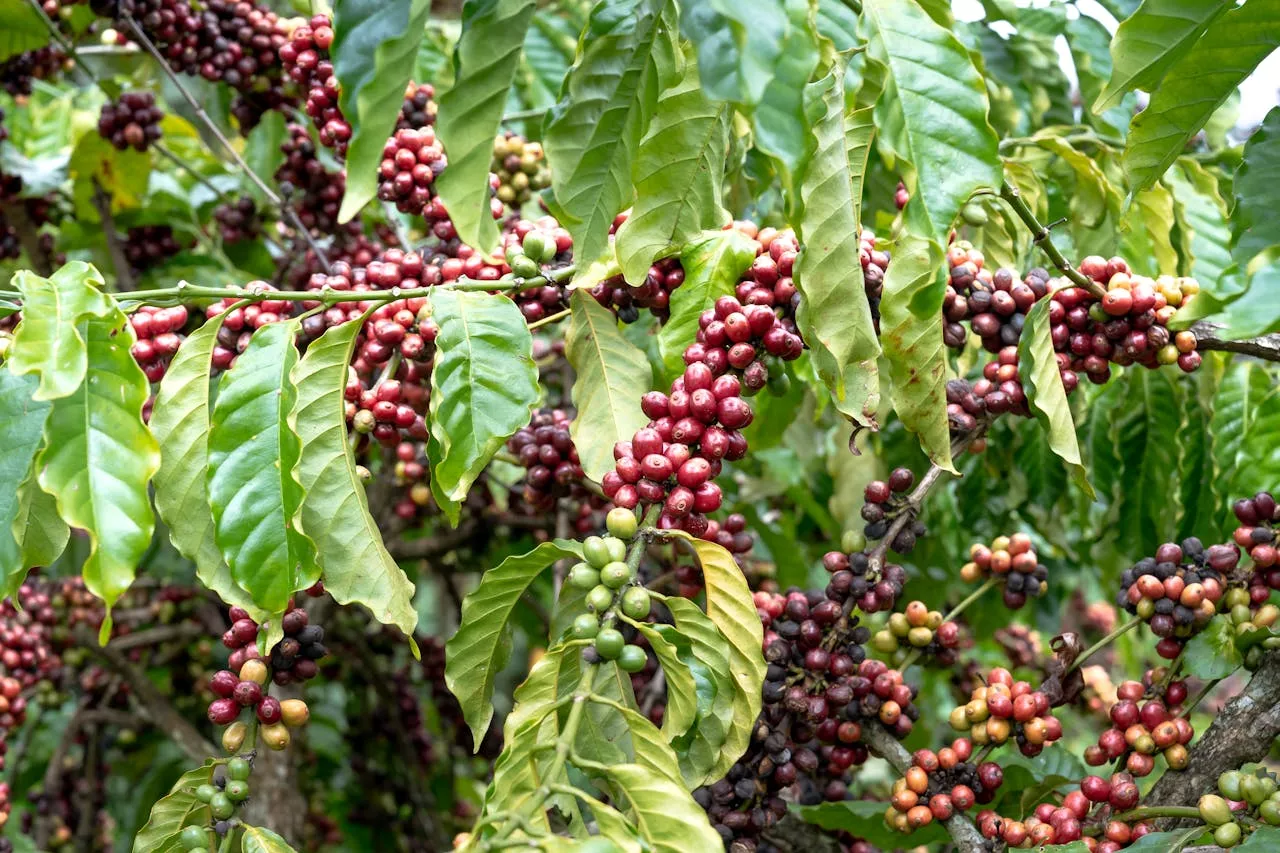
Coffee is one of the most widely traded agricultural commodities in the world and serves as a critical source of income for millions of people. However, despite its economic importance, the sector continues to face persistent challenges related to labour conditions, including informal employment, lack of worker protections, and vulnerabilities among seasonal and migrant labourers. Recognizing these issues, Nestlé and the International Labour Organization are aiming to address systemic gaps and promote fairer, safer, and more inclusive supply chains.
At the core of this initiative is the ILO’s unique role as a global standard-setter and convener of stakeholders. Leveraging its expertise, the organization will facilitate structured social dialogue among governments, employers, and workers’ organizations in the targeted countries. These discussions are designed to identify the root causes of labour rights violations and “decent work deficits” within coffee supply chains, including issues such as unsafe working environments, unfair recruitment practices, and insufficient legal protections for vulnerable workers.
By bringing together key actors across the value chain, the project seeks to foster collaborative solutions tailored to the specific contexts of Brazil, Colombia, and Mexico. Each country presents its own distinct challenges and opportunities. For example, Brazil, as the world’s largest coffee producer, has a highly diversified production system ranging from large-scale plantations to smallholder farms. Colombia, known for its high-quality Arabica coffee, relies heavily on smallholder farmers and seasonal workers, while Mexico’s coffee sector includes a significant number of indigenous producers and migrant labourers. These variations underscore the importance of localized interventions that can effectively address country-specific labour dynamics.
Based on the findings from these dialogues, the initiative will roll out targeted, country-level interventions aimed at promoting fair recruitment practices and strengthening worker protections. These interventions may include capacity-building programs, policy recommendations, and the development of practical tools to help employers adopt responsible labour practices. Additionally, the project will emphasize the importance of ensuring that workers have access to grievance mechanisms and are aware of their rights.
A key feature of the initiative is its focus on fair recruitment, which is widely recognized as a critical entry point for improving labour conditions. Unethical recruitment practices, such as charging workers excessive fees or providing misleading information about job conditions, can lead to exploitation and forced labour. By promoting transparency and accountability in recruitment processes, the project aims to reduce these risks and create more equitable employment relationships.
Beyond its country-level activities, the project will also contribute to global knowledge-sharing across the coffee sector. Insights and best practices generated through the initiative will be disseminated to a broader audience of industry stakeholders, helping to drive systemic change beyond the initial focus countries. This global dimension is particularly important given the interconnected nature of coffee supply chains, which involve multiple actors from farm to consumer.
Dan Rees, Director of the ILO Priority Action Programme on Decent Work in Supply Chains, emphasized the significance of the initiative in addressing longstanding challenges within the sector. He noted that coffee production supports the livelihoods of approximately 20 to 25 million families worldwide, making it a vital source of income and employment. However, he also highlighted that decent work deficits remain widespread, particularly among seasonal and migrant workers who often face precarious employment conditions. According to Rees, the project aims not only to advance labour rights but also to contribute to the development of more sustainable and resilient supply chains.
From Nestlé’s perspective, the partnership aligns closely with its broader sustainability and human rights commitments. Antje Shaw, Head of Sustainability for Coffee at Nestlé, described the initiative as an important milestone in the company’s efforts to promote responsible sourcing practices. She подчеркнула that collaboration with the ILO enables faster progress toward building coffee value chains that are both inclusive and resilient, where workers are treated with dignity and respect.
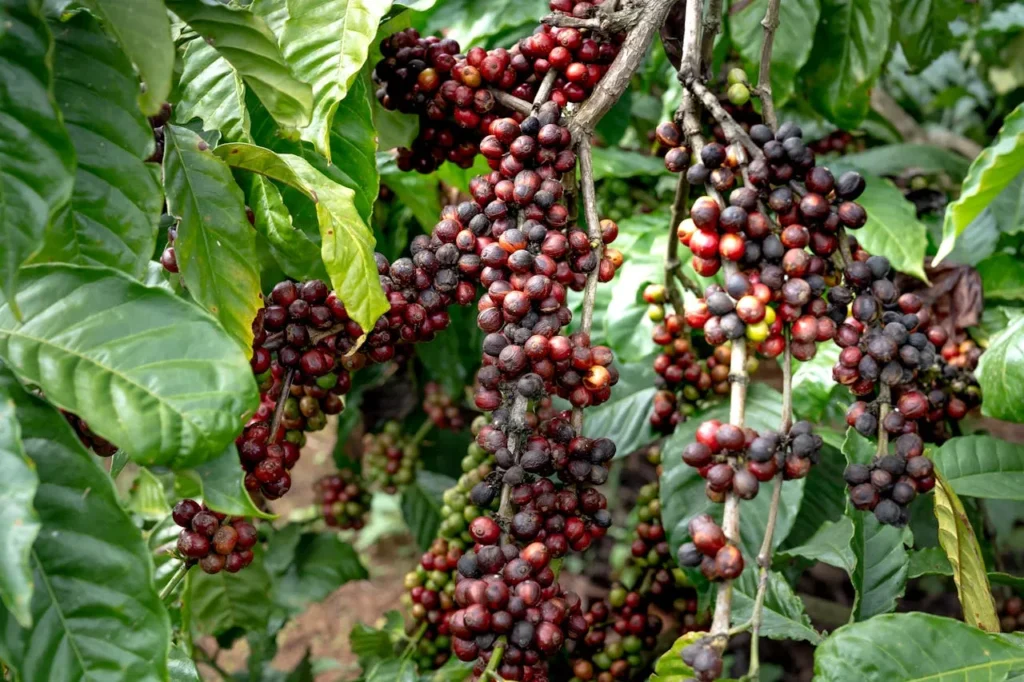
The project is supported by the Nescafé Plan, Nestlé’s flagship sustainability initiative for its coffee brand. The Nescafé Plan focuses on improving coffee farming practices, supporting farmer livelihoods, and enhancing supply chain transparency. By integrating labour rights into this framework, the company aims to address social sustainability alongside environmental and economic considerations.
In addition, the initiative contributes to several key ILO programs, including the ILO Fair Recruitment Initiative, which works to prevent human trafficking and forced labour by promoting fair recruitment principles worldwide. It also aligns with the ILO’s flagship programme Safety + Health for All, particularly through its Vision Zero Fund, which promotes the fundamental right to a safe and healthy working environment in global supply chains.
Nestlé’s engagement with the ILO extends beyond this project. The company is a founding member of the Child Labour Platform, a multi-stakeholder initiative that brings together businesses, governments, and civil society organizations to tackle child labour in supply chains. Through its participation in the platform and other collaborative efforts, Nestlé has been working to address complex social challenges in agricultural sectors, including coffee.
Overall, the launch of this new project marks a significant step forward in the joint efforts of Nestlé and the International Labour Organization to improve labour conditions in coffee supply chains. By combining the ILO’s expertise in labour standards with Nestlé’s global reach and industry influence, the partnership has the potential to drive meaningful change at both local and global levels. As the initiative progresses over the next two years, it is expected to generate valuable insights and practical solutions that can help shape a more sustainable and equitable future for the coffee sector.
Source Link:https://www.nestle.com/