Bayer and bp have announced a long-term strategic alliance aimed at accelerating the commercialization and large-scale adoption of camelina, an emerging oilseed crop positioned to support the expanding renewable fuels market. The collaboration will focus on developing and scaling camelina under Bayer’s newgold® brand, beginning in North America, with the goal of creating a more reliable supply chain for lower-carbon feedstocks used in biodiesel, renewable diesel (RD), and sustainable aviation fuel (SAF).
The partnership combines the complementary strengths of both companies. Bayer, recognized globally for its agricultural and seed technology expertise, will contribute advanced breeding capabilities, agronomic research, and access to its extensive network of grower customers. bp, one of the world’s leading integrated energy companies, will bring its experience in refining, fuels infrastructure, and biofuels market development. Together, the companies intend to establish camelina as a commercially viable intermediate crop capable of supporting both farmers and the rapidly growing renewable energy sector.
The alliance comes at a time when global demand for renewable fuel feedstocks is expected to surge dramatically. Industry estimates project that demand for biodiesel, renewable diesel, and sustainable aviation fuel could rise from approximately 14 billion gallons today to nearly 40 billion gallons by 2040. As governments, airlines, and transportation industries seek lower-carbon energy alternatives, the need for sustainable agricultural feedstocks has become increasingly urgent.
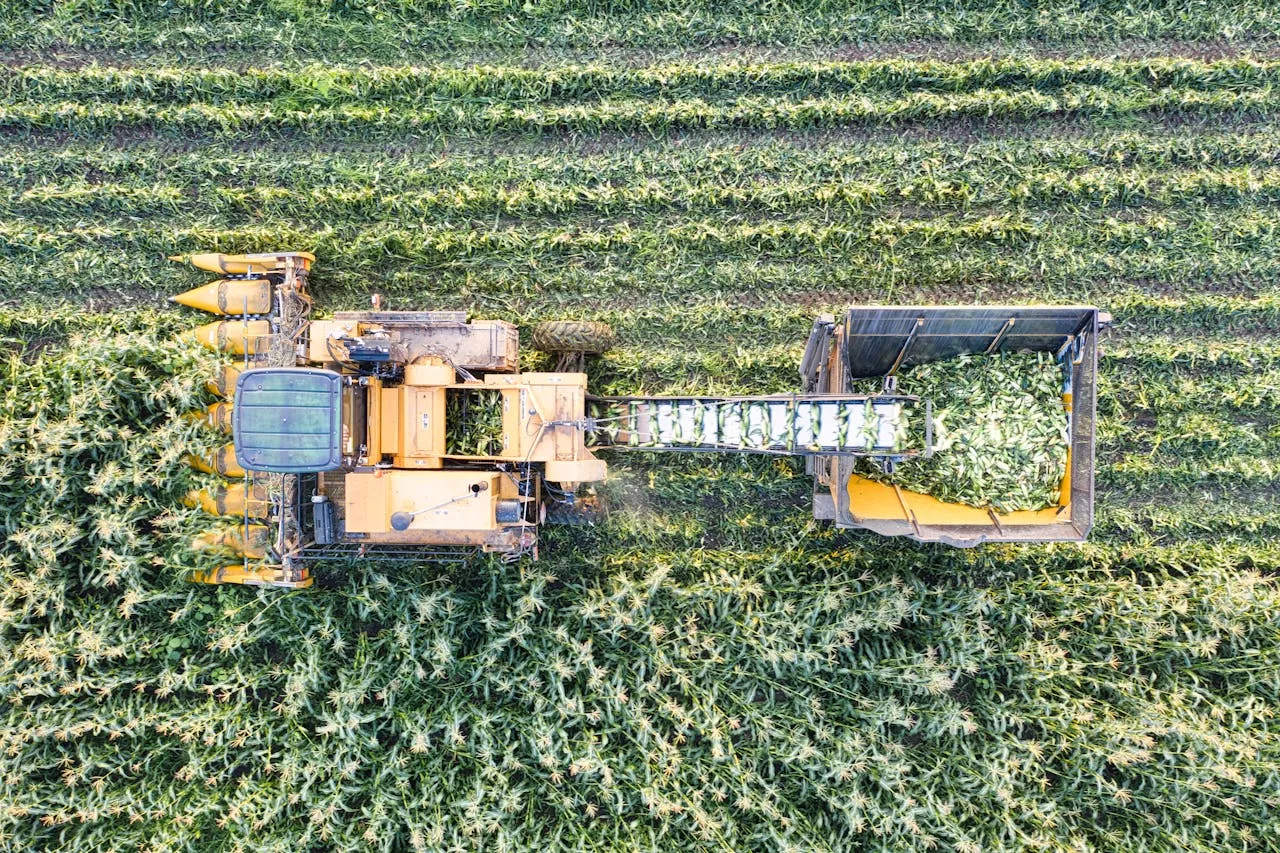
Camelina has emerged as one of the most promising crops for this market because of its versatility and comparatively low environmental footprint. Unlike some traditional oilseed crops, camelina can often be grown between primary crop seasons or on underutilized land, reducing concerns about direct competition with food production. The crop also offers flexibility for farmers by fitting into existing crop rotations while potentially generating additional income streams.
Frank Terhorst, head of strategy and sustainability for Bayer’s Crop Science division, emphasized the broader importance of the alliance for agriculture and renewable fuels alike. According to Terhorst, the collaboration is designed to connect the full agricultural and energy value chain required to successfully bring camelina into mainstream production.
He noted that Bayer’s grower customers are increasingly seeking opportunities to diversify farm income while maintaining resilient and sustainable operations. By providing stronger market certainty for camelina, Bayer hopes farmers will feel more confident integrating the crop into their production systems.
Terhorst also highlighted Bayer’s investment in crop improvement and breeding programs to unlock camelina’s full commercial potential. The company has been advancing research into the crop’s performance across multiple growing environments and believes its global scalability could make it an important contributor to future renewable fuel supplies.
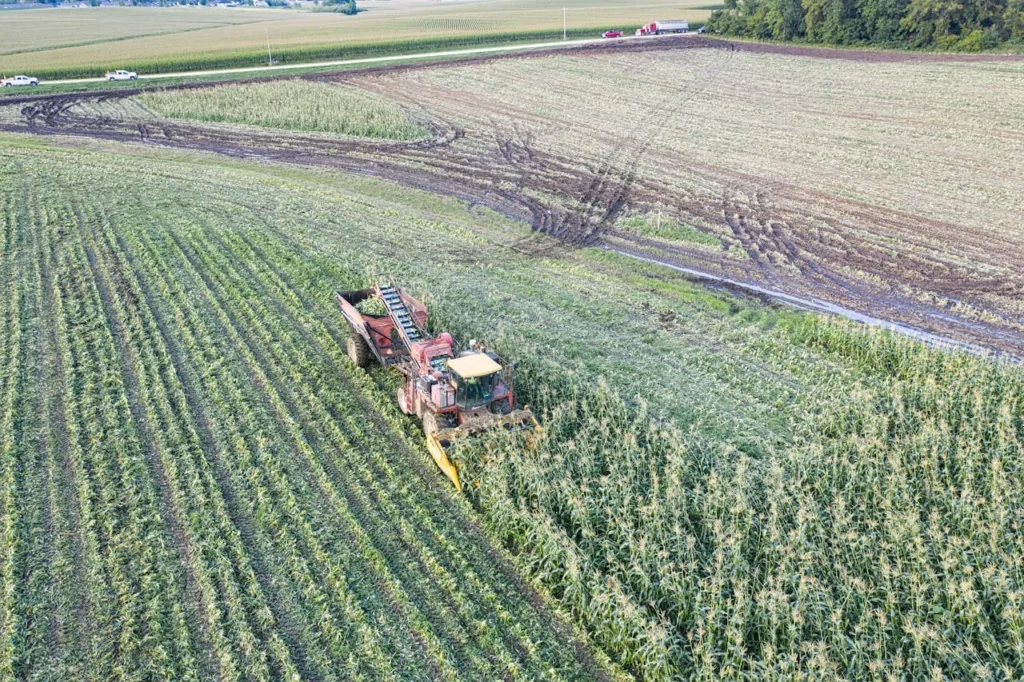
For farmers, camelina represents more than just another crop option. Bayer sees it as a potential “profit multiplier” that can help producers make better use of their land throughout the year. The crop can function as an intermediate crop between traditional growing seasons, creating economic value during periods when fields might otherwise remain idle. It can also support crop rotation strategies that improve soil health and agronomic diversity while helping reduce financial risk through additional revenue opportunities.
Philipp Schoelzel, senior vice president of biofuels growth at bp, described the partnership as an example of how strategic collaborations can accelerate innovation and support the transition toward lower-carbon energy systems.
He explained that bp’s approach centers on working with trusted partners that possess complementary expertise. By combining agricultural innovation with energy market capabilities, the companies believe they can develop renewable fuel solutions that meet evolving customer demand while also delivering long-term business value.
The announcement also builds on Bayer’s recent expansion into camelina development following its acquisition of camelina-related assets in late 2024. Since then, the company has been scaling research and seed production activities in preparation for broader commercialization efforts.
Bayer has already begun introducing newgold camelina in several key agricultural regions, including the Northern Plains of the United States and parts of Canada such as Southern Saskatchewan and Southern Alberta. Field testing is currently underway for both long-season and short-season biotypes to evaluate performance across diverse climatic conditions and growing environments.
The crop’s agronomic profile is one of the major reasons it has attracted growing industry interest. Camelina is known for requiring relatively low agricultural inputs compared with many conventional oilseed crops. It also demonstrates strong drought tolerance and winter hardiness, characteristics that can make it particularly attractive in regions facing increasingly unpredictable weather conditions linked to climate change.
Another important advantage is its resistance to pod shatter, a trait that can help reduce harvest losses and improve yield reliability. These characteristics, combined with its ability to grow on marginal or fallow land, position camelina as a potentially efficient feedstock for renewable fuels without significantly disrupting existing food production systems.
The companies believe camelina could play a critical role in supporting the aviation industry’s push toward decarbonization. Sustainable aviation fuel has become a major focus for airlines and policymakers as the aviation sector seeks practical pathways to reduce greenhouse gas emissions. Since SAF production relies heavily on sustainable feedstocks, scaling crops like camelina may become increasingly important to meeting future climate and fuel supply goals.
Under the newgold® seed brand, Bayer intends to market camelina as a flexible crop solution that can be adapted to different farm operations and management strategies. Farmers will have the option to integrate the crop in ways that best fit their agronomic plans and economic objectives.
For some producers, camelina may serve as an intermediate crop that generates value between primary growing seasons. Others may use it as part of broader crop rotation systems aimed at improving soil management and increasing operational resilience. In regions with underutilized or marginal acreage, camelina may also help convert previously low-productivity land into economically valuable farmland.
This flexibility is central to Bayer and bp’s long-term vision for the crop. Rather than requiring growers to significantly alter their existing operations, the companies aim to provide a scalable option that can integrate into current farming systems while supporting participation in the expanding low-carbon economy.
As renewable fuels continue gaining momentum worldwide, the Bayer-bp alliance reflects the increasing convergence between agriculture and energy industries. By developing sustainable feedstocks that benefit both farmers and fuel producers, the partnership aims to help address rising energy demand while supporting agricultural profitability and environmental sustainability.
With large-scale commercialization efforts now underway, camelina could soon become an increasingly important component of the renewable fuels supply chain, offering new economic opportunities for growers and helping industries move closer toward lower-carbon energy goals.
Source Link:https://www.businesswire.com/