
As food insecurity surged across the United States in November, DoorDash launched a sweeping nationwide Emergency Food Response to help ensure families did not go hungry during a critical period. Through expanded partnerships, fee relief for SNAP recipients, and rapid mobilization of its logistics network, the company delivered nearly two million meals to households in need and helped hundreds of thousands of families stretch limited food budgets at a time when access to nutrition was under strain.
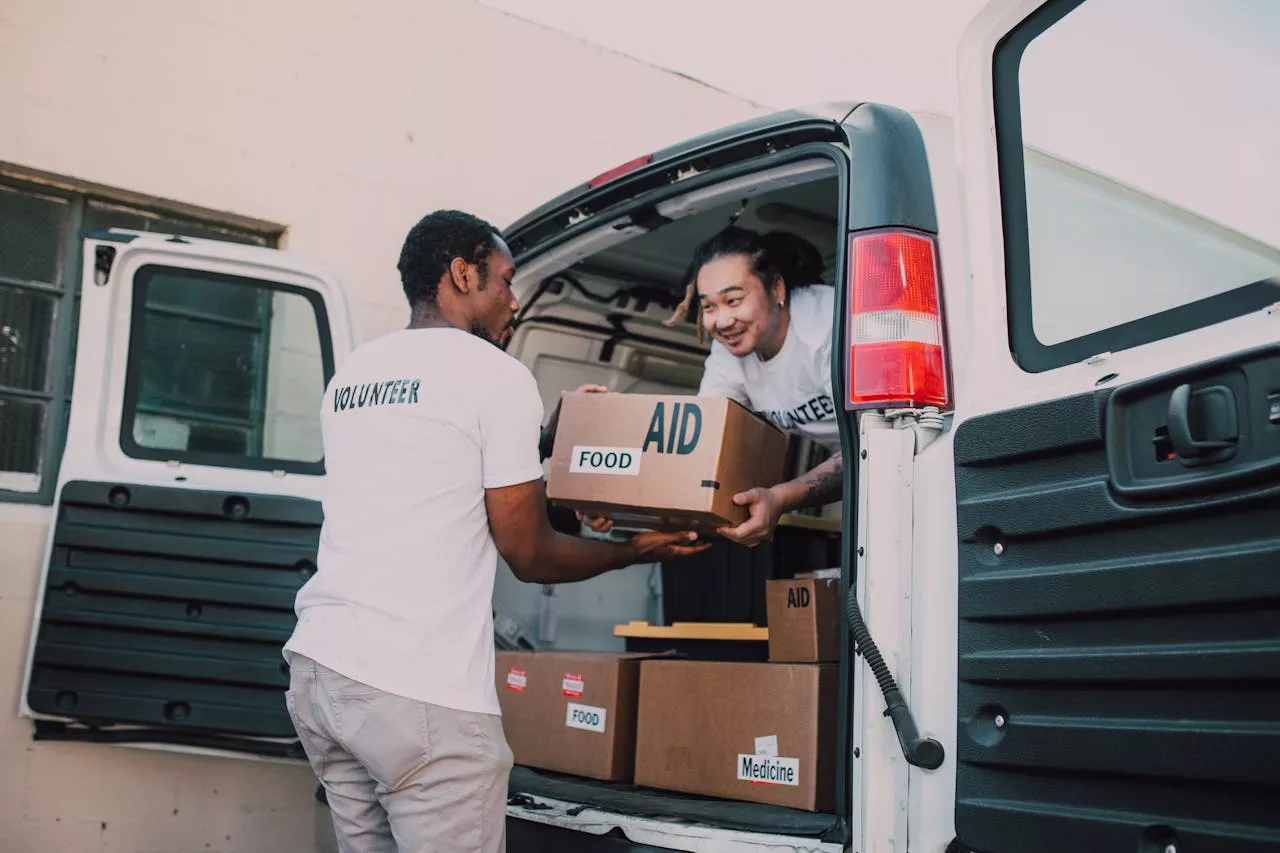
At the heart of this effort was Project DASH, DoorDash’s social impact platform that connects surplus food and prepared meals from nonprofits, food banks, and community organizations with people experiencing food insecurity. Working alongside more than 300 Project DASH partner organizations, DoorDash helped power more than 100,000 free deliveries in November alone—representing an estimated two million meals delivered directly to households that needed them most.
This emergency response came at a particularly urgent moment. Millions of Americans faced increased risk of hunger as some households temporarily lost access to Supplemental Nutrition Assistance Program (SNAP) benefits or struggled with rising grocery costs, transportation challenges, and limited local food access. DoorDash’s efforts focused not only on scale, but also on speed, ensuring food reached families when delays could mean empty pantries.
Project DASH Steps Up to Meet Rising Need
Project DASH partners significantly increased their delivery volumes in November as demand surged. In some cases, organizations delivered more than four times their typical monthly volume, underscoring both the severity of need and the importance of reliable delivery infrastructure during crises. By covering delivery costs and providing logistical coordination, DoorDash enabled nonprofit partners to focus their resources on sourcing food and supporting their communities rather than managing transportation barriers.
From Albuquerque, New Mexico, to Allentown, Pennsylvania, DoorDash also collaborated with local, state, and federal lawmakers as well as community leaders for a series of Emergency Food Response activations across the country. These on-the-ground efforts highlighted innovative approaches to hunger relief and showcased how public-private partnerships can play a meaningful role in addressing food insecurity at scale.
The activations emphasized a shared message: when technology, community organizations, and policymakers work together, food assistance can reach further, faster, and more efficiently—especially during periods of heightened need.
Helping SNAP Families Stretch Their Food Budgets
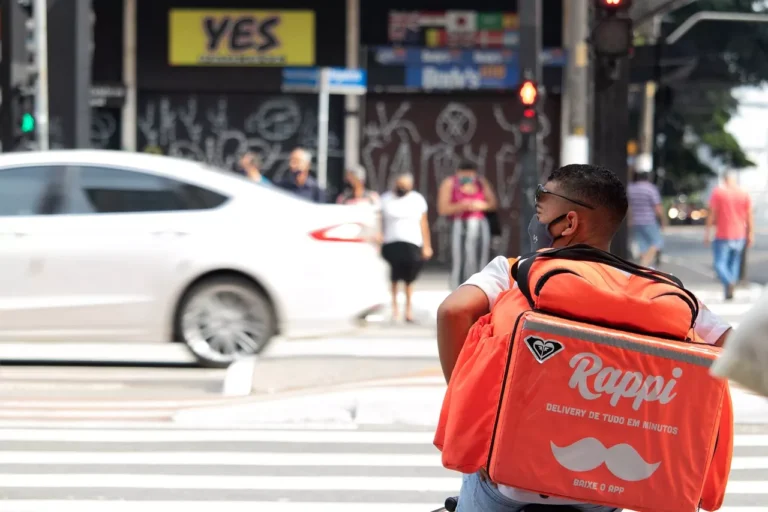
In parallel with its nonprofit-focused efforts, DoorDash moved quickly to support SNAP recipients directly. As benefits lapsed for some households and grocery costs continued to rise, the company partnered with participating grocery retailers nationwide to waive delivery and service fees on hundreds of thousands of SNAP-eligible grocery orders throughout November.

These fee waivers made a tangible difference for families navigating tight budgets. Delivery costs can often be a barrier for low-income households, even when groceries themselves are SNAP-eligible. By removing those additional fees, DoorDash helped ensure that SNAP dollars could be spent on food rather than transportation.
The impact was particularly notable in underserved areas. More than 20% of customers who used the DoorDash SNAP promotion live in food deserts—communities with limited access to affordable, nutritious food—and approximately one-third reside in rural areas where grocery stores can be miles away. For these households, delivery is not a convenience but a lifeline.
DoorDash also expanded access to first-time delivery users. In November, more than 300,000 customers added a SNAP card to the platform, many of whom had never used grocery delivery before. This expansion opened the door to more consistent access to fresh produce, pantry staples, and essential groceries, reducing reliance on infrequent trips or limited local options.
New Data Highlights SNAP’s Broader Impact on Health
Beyond immediate relief, new data from DoorDash underscores the longer-term importance of SNAP access and delivery in shaping healthier eating habits. In its latest report, From Food Deserts to Dinner Tables: How SNAP Delivery Removes Barriers and Supports Healthier Habits, DoorDash combined internal platform data with survey results from more than 1,500 customers who recently used SNAP on the platform.
The findings point to meaningful and sustained changes in how households shop, cook, and eat. Nearly one-third of respondents—31%—reported eating more fruits and vegetables since using SNAP on DoorDash, while 24% said they are eating less junk food. These shifts suggest that easier access to groceries, particularly fresh and nutritious items, can influence food choices in positive ways.
Cooking habits also improved. Forty-two percent of surveyed customers said they are cooking at home more often rather than relying on fast food or takeout. For families juggling work, childcare, and transportation challenges, reliable grocery delivery can make home cooking a more realistic and sustainable option.
Perhaps most striking is the reported impact on household health. Among respondents who said their eating habits had changed, 91% reported a positive effect on their household’s overall health. These outcomes reinforce the idea that food access is deeply connected to well-being, and that SNAP, when paired with delivery options, can support not just hunger prevention but healthier lifestyles.
Strengthening Communities Through Accessible Food Systems
The data and on-the-ground results from November send a clear and consistent message from households, community organizations, and hunger-relief advocates alike: when SNAP is strong, accessible, and supported by modern delivery infrastructure, communities are healthier and more food secure.
DoorDash’s Emergency Food Response demonstrates how scale, technology, and partnerships can be leveraged during moments of crisis to meet essential needs. By supporting nonprofits through Project DASH, easing financial barriers for SNAP recipients, and expanding delivery access to underserved areas, the company helped bridge gaps in the food system at a time when many families needed support the most.
As food insecurity continues to affect millions of Americans, efforts like these highlight the potential of collaborative solutions—ones that not only deliver meals, but also help families build healthier, more stable food habits for the long term.
Source Link:https://about.doordash.com/