
Southern Glazer’s Wine & Spirits (Southern Glazer’s), renowned globally as the preeminent distributor of beverage alcohol, has unveiled the highly anticipated findings from its 2026 Liquid Insights Tour. This signature educational initiative is designed to rigorously explore the top-tier trends shaping the dynamic wine and spirits industry. Building decisively upon the significant achievements of its prior U.S.-focused tours in 2022 and 2024, the 2026 iteration dramatically expanded its geographical scope, venturing into the iconic European capitals of London and Paris. The objective was clear: to uncover the most compelling beverage trends actively emerging on the global horizon before they achieve mainstream status in 2026.
This ambitious European circuit involved the rigorous observation and analysis of the beverage programs across 31 distinct restaurants and bars. The venues selected represented a diverse and strategic mix, ranging from cutting-edge, cocktail-forward bars and trendsetting casual establishments to highly polished restaurants and globally recognized fine dining institutions. These elite locations were specifically chosen for their known commitment to both creative wine lists and innovative spirits programs. The Southern Glazer’s team prioritized a blend of contemporary and traditional venues, seeking out new cultural perspectives and forward-thinking beverage strategies designed to directly influence and forecast what consumers will soon be sipping across international markets, particularly the crucial U.S. landscape.
🔍 Leadership and Methodology in Global Trend Identification
The comprehensive 2026 tour, which has captured a detailed snapshot of emerging consumption patterns, was expertly spearheaded by Brian Masilionis, Senior Director of On-Premise Channel Insights, and Debbi Peek, Director of Mixology for National Accounts On-Premise. Their mission was to gain a profound understanding of how these global capitals—London and Paris—are currently interpreting and advancing identified beverage trends, and to pinpoint tangible new opportunities poised for translation and success within the U.S. market. This effort recognizes that beverage alcohol plays an integral, often celebratory, part in creating meaningful consumer moments.
“Both London and Paris serve as veritable global capitals of flavor, style, and market innovation,” remarked Masilionis, who operates within the Company’s pivotal Commercial Intelligence team. “By strategically visiting a curated range of venues—from hidden culinary gems with profoundly experimental cocktail programs to Michelin-starred dining rooms embracing complex flavor variation through tiered, wine-region-focused tasting menus—we secured a crystal-clear, predictive view into where the beverage world is decisively headed next. This data also strongly illustrates how evolving consumer preferences are actively reshaping and dictating the structure of wine and spirits menus worldwide.”
The tour successfully isolated and documented ten overarching spirits and wine trends, offering crucial foresight for industry partners.
🥂 Top 10 Wine and Spirits Trends Identified for 2026
1. The Ascent of Cordials and Aperitifs
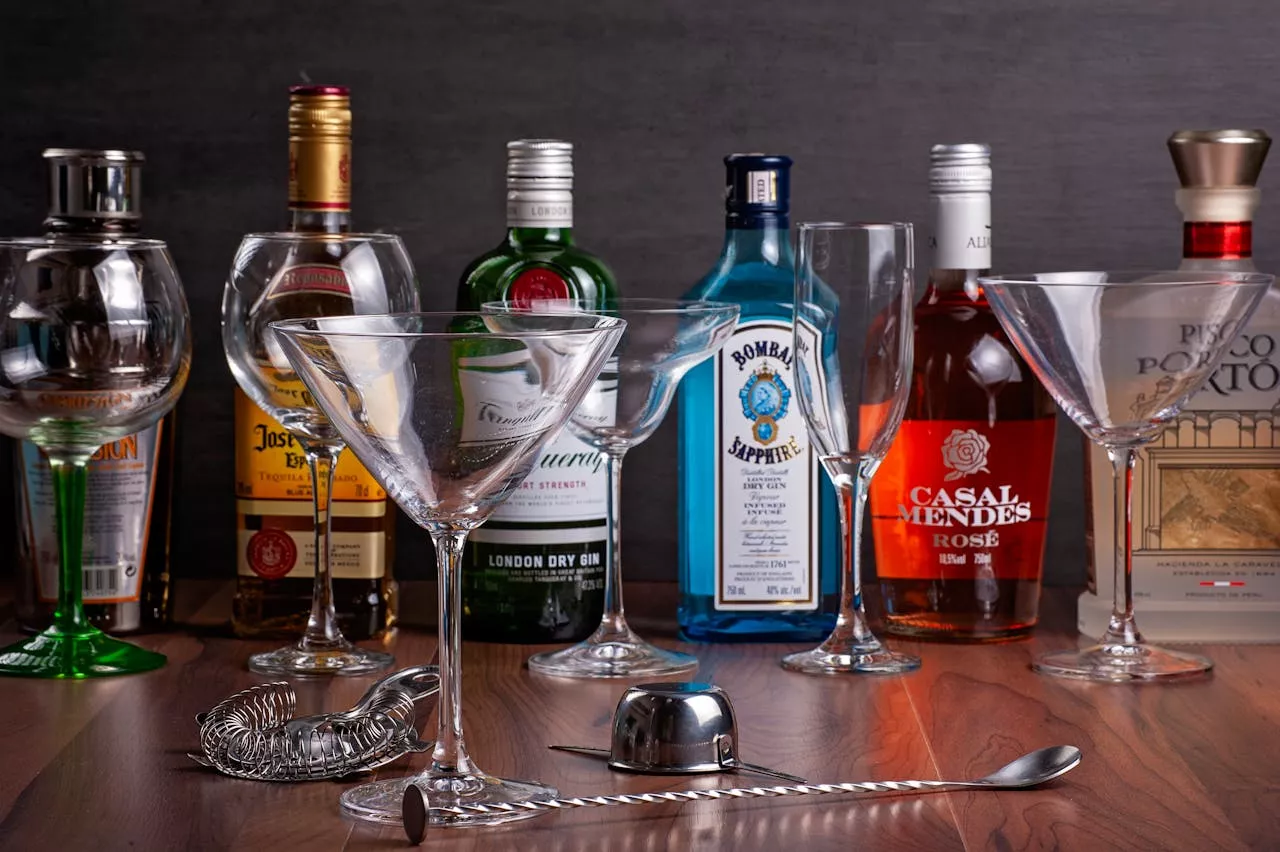
Leading the spirit list, cordials, aperitifs, and Amari are experiencing an unprecedented surge, now measurably outpacing traditional category bases such as gin, vodka, whiskey, and rum. This phenomenon reflects a widespread and growing consumer preference for approachable, highly flavor-forward cocktails. While most drinks observed still feature a lead spirit component, the strategic and significant incorporation of multiple cordials and aperitifs to build multi-layered complexity is now a defining feature on many menus.
2. Infused Innovation and Culinary Techniques
Bars in both Parisian and London environments are fully embracing culinary artistry in their mixology. Advanced techniques such as yogurt clarifications, meticulous butter and duck fat washes, and the use of rotary evaporator “distillates” are creating deeply layered, chef-inspired drinks. The prominence of specific botanicals and spices, including basil, jasmine, cardamom, tonka bean, and coriander, was pervasive, sometimes detailed in dedicated menu sections. Additionally, various teas are playing a starring, versatile role, incorporated either as key ingredients or for rapid infusions.
3. Tiny Pours and Curated Tasting Menus
A distinct movement toward mini martinis and curated tasting menus is gaining momentum. These concepts offer guests crucial variety, facilitate lower alcohol consumption per drink, present strong value, and encourage a playful approach to new spirit and wine discovery. These smaller pours and specialized, reservation-only tasting experiences inherently encourage moderation while permitting guests to explore a wider range of new favorites. Critically, unlike U.S.-style “flights,” these “Tiny Pours” are frequently designed to be enjoyed as individual, distinct experiences. Wine pairings are following this sophisticated suit, observed from polished Asian restaurants to Michelin-starred West African venues, with meticulously pre-selected pours complementing pre-set, multi-course menus.
4. Amplified Asian Culinary Influence in Cocktails
Mixologists are increasingly leaning into the compelling flavor profiles of Asian cuisine. Ingredients such as yuzu, lychee, shiso, sake, umeshu, miso, rice mirin, and even ponzu are rapidly transitioning from novelty items to cocktail staples. This significant surge in Asian culinary influence introduces key elements of umami and unique flavor twists, offering exciting, sophisticated new avenues to redefine balance in contemporary drinks.
5. Minimal Presentation, Maximum Flavor (Min Presentation, Max Flavor)
The dominant presentation style favored simplicity and elegance. Drinks were often served in simple, unadorned vessels and were frequently smaller in volume, designed to allow the craftsmanship and flavor profile to command attention. Garnishes were highly purposeful and bold, often featuring refined culinary components like a gourmet strawberry fruit crisp created by a pastry chef, delicate white chocolate wafers, or savory, high-quality snacks such as fresh-baked bread infused with fortified blueberries, served alongside.
6. Luxe Low- and No-Alcohol Options
Non-alcoholic (NA) cocktails were prominently featured, often positioned front and center on menus. They are being crafted with the same level of creativity and complexity as their spirited counterparts, and are typically priced only slightly lower. Remarkably, non-alcoholic spirits and sparkling wines/teas collectively ranked as the No. 7 most-used ingredient observed across the menus surveyed—a position above well-established categories like tequila, cognac, and brandy. Specialized sparkling teas, such as Darjeeling and Hojicha, are adding refreshing, tannic complexity, effectively mimicking sparkling wine in both standalone pours and NA cocktail bases.
7. Carbonation and Evolved Texture Play
Venues are investing in custom carbonation setups to deliver lighter, flash-carbonated cocktails, resulting in more intensely fizz-forward beverages. Furthermore, the classic milk punch technique is evolving, incorporating ingredients like yogurt, clotted cream, and even rice pudding. This innovation adds new dimensions of silky, creamy texture and light effervescence to the resulting cocktails.
8. Wine by the Glass, Redefined with Flexibility
London and Paris are actively breaking traditional U.S. norms concerning pour sizes, introducing a flexible system featuring standard pours (4–5 ounces), tasting sizes (2 ounces), and even luxury sips (under 1 ounce). This innovative approach makes genuinely premium and expensive wines more accessible to a broader clientele. A striking example was observed at a luxury London wine club, where guests could sample up to 1,000 wines by the glass, perfectly preserved via the Coravin system, including rare First Growth Chablis for approximately $17 (£13) per ounce, circumventing the need to purchase the full bottle at $500 (£375).
9. Wine Lists that Educate and Entice
Wine lists are increasingly featuring explicit flavor notes, varietal breakdowns, and blend information alongside the traditional appellations and vintages. This added detail significantly enhances menu navigability. In select cases, playful or highly descriptive language was used to demystify complex French, English, and Italian wines. A notable finding was the observation of lower markups in London and Paris compared to the U.S., making premium wines feel like a much better value. High-volume venues are utilizing preservation systems, such as Le Verre de Vin and Coravin, to deliver increased variety while drastically minimizing waste, a key factor in keeping prices approachable for consumers.
10. Beverage Menus that Tell a Compelling Story
The modern beverage menu is evolving into an immersive, storytelling experience. Menus now frequently incorporate heritage tales, bespoke drink illustrations, and whimsical wine descriptions. This trend was particularly evident in London, where many venues showcased dedicated cocktail and wine books celebrating the establishment’s history and explaining the philosophical “why” behind each drink creation. Some of these books were so beautifully designed that guests were purchasing them as storybook keepsakes, effectively transforming a night out into a lasting, tangible memory.
💡 Conclusion and Actionable Insights
“The tours of London and Paris have collectively provided a masterclass in the delicate art of balancing deep-rooted tradition with continuous innovation. The confident use of once-niche ingredients, the application of sophisticated culinary techniques, and the clear, consistent emphasis on educating the consumer reflect a pivotal, maturing point in global wine and spirits culture,” stated Debbi Peek. “Crucially, these trends are not merely aspirational concepts; they are actionable insights for bars, restaurants, and the overall hospitality sector. They offer a clear pathway to meet evolving consumer expectations with elevated, globally-inspired beverage programs that resonate with the modern palate.”
The Southern Glazer’s Liquid Insights Tour reaffirms its status as a leading indicator and predictive force for the future of wine and spirits consumption. It offers supplier and retail partners invaluable, actionable data and rich storytelling—straight from the front lines of cutting-edge, on-premise innovation. The insights gleaned from London and Paris provide a strategic blueprint for the industry’s future success.
Source Link:https://www.businesswire.com/