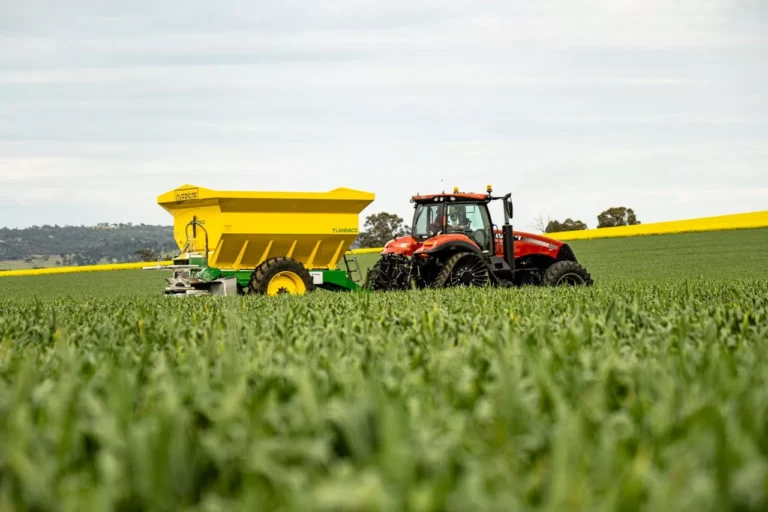


The global fertilizer industry continues to evolve rapidly as demand for sustainable, efficient, and high-performance crop nutrition grows worldwide. A newly added report titled “Competitor Analysis of Fertilizer Market: Recent Developments, Company Strategies, Sustainability Benchmarking, Product Launches, Key Persons, and Revenue Forecasts” on ResearchAndMarkets.com provides an in-depth assessment of these trends, detailing the shifting competitive landscape and the major factors shaping the market through 2033.
According to the report, the global fertilizer market was valued at approximately US$199.82 billion in 2024, supported by extensive agricultural activity, changing consumption patterns, and the rising need for improved food security. As farming systems modernize and the pressure on arable land intensifies, fertilizers remain a critical input for achieving higher crop yields and quality. The market is projected to grow steadily at a CAGR of 3.80% between 2025 and 2033, eventually reaching an estimated US$279.52 billion by 2033, underscoring the long-term reliance on fertilizers as the backbone of global agriculture.
Market Overview and Growing Importance of Fertilizers
Fertilizers are chemical or organic substances designed to supply essential nutrients to plants, enabling faster growth, healthier development, and increased productivity. These inputs typically deliver key macronutrients such as nitrogen (N), phosphorus (P), and potassium (K)—commonly referred to as NPK—along with indispensable micronutrients including zinc, magnesium, and iron. Modern fertilizers are available in diverse forms, including synthetic chemical fertilizers, organic compost, manure-based inputs, and biofertilizers derived from beneficial microorganisms.
The report emphasizes that fertilizer use is more crucial today than ever before due to several interconnected global pressures. First, a rapidly rising world population continues to drive food demand, especially in densely populated regions across Asia and Africa. Second, shifts in dietary habits—including increased consumption of protein-rich foods such as meat, dairy, and pulses—are raising the need for grain and fodder crops, placing additional strain on agricultural systems. Third, with a limited supply of arable land available worldwide, farmers must rely on input-intensive and high-efficiency farming practices to maximize production per hectare.
Technological Advancements and Precision Agriculture Boost Market Growth
One of the most significant drivers of fertilizer market expansion is the adoption of advanced technologies. Precision agriculture, for example, has transformed fertilizer application by incorporating tools like GPS mapping, sensor-based monitoring, soil analysis, and smart nutrient delivery systems. These innovations help farmers apply the right amount of fertilizer at the right time and in the right place, reducing nutrient loss and minimizing environmental impact.
In addition to precision tools, the rise of controlled-release and slow-release fertilizers is improving nutrient-use efficiency. These formulations ensure a gradual, timely supply of nutrients to the root zone, leading to better uptake by plants and reduced leaching into groundwater. Smart fertilizers infused with nanomaterials or coated with biodegradable polymers are also gaining popularity for delivering optimized performance.
Rising Adoption of Sustainable and Bio-Based Fertilizers
Sustainability is another major trend shaping the global fertilizer market. With increasing concerns around soil degradation, water pollution, and greenhouse gas emissions from traditional fertilizers, many countries are promoting eco-friendly alternatives. Bio-based and organic fertilizers—supported by microorganisms, organic matter, and naturally occurring minerals—are gaining traction for their ability to improve soil health, enhance biodiversity, and reduce chemical buildup.
Governments and regulatory bodies across Europe, North America, and key Asian economies are introducing policies to encourage sustainable farming practices. This includes subsidies for organic fertilizers, restrictions on synthetic fertilizer usage, and investments in green agricultural technologies. These initiatives are expected to play a vital role in driving the next wave of fertilizer innovation.
Emerging Regions Continue to Lead Market Demand
The report highlights that developing nations—particularly India, China, Brazil, and Southeast Asian countries—will remain dominant consumers in the global fertilizer landscape. Strong population growth, expanding agricultural sectors, and government-supported adoption of modern crop nutrition solutions underpin this leadership.
For example, India’s extensive subsidy framework continues to make fertilizers more affordable for farmers, driving high consumption volumes. China, on the other hand, is focusing on advanced fertilizers that combine efficiency with sustainability, thereby raising the demand for specialty and water-soluble fertilizers.
Additionally, expanding cultivation of commercial cash crops such as cotton, oilseeds, sugarcane, fruits, and vegetables is creating new opportunities for fertilizer companies to diversify product offerings tailored to specific crop and soil needs.
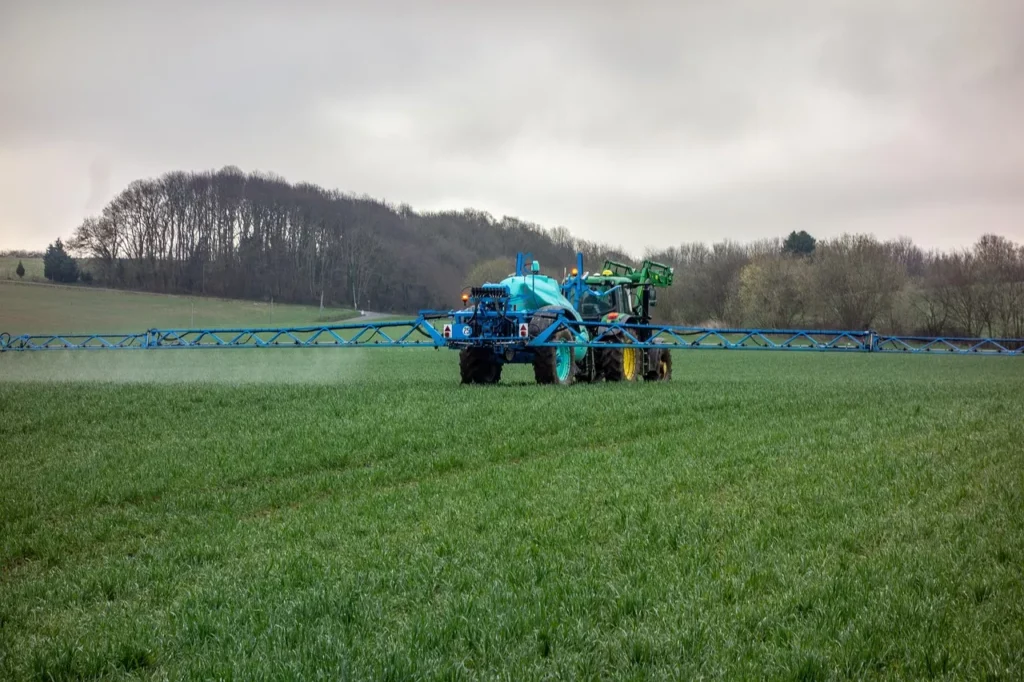
Recent Developments in the Global Fertilizer Industry
The fertilizer industry saw several notable developments in 2024 that strengthened the competitive positioning of major companies and advanced the availability of innovative crop nutrition products.
ICL–AMP Holdings Collaboration (August 2024):
ICL, a global leader in specialty minerals and fertilizers, entered into a significant five-year agreement with the AMP Holdings Group valued at US$170 million. Under the partnership, ICL will supply specialty water-soluble fertilizers to farmers across China, targeting high-value crops such as apples, strawberries, and other fruits. The agreement highlights the rising adoption of drip irrigation systems in China—a modern technique that enhances water and nutrient efficiency. This deal also marks a strategic move for ICL to expand its footprint in the fast-growing Chinese fertilizer market.
Coromandel International Launches Paramfos Plus (June 2024):
India-based Coromandel International introduced Paramfos Plus, a magnesium-enriched fertilizer designed to optimize agricultural productivity. This new formulation consists of 16% nitrogen, 20% phosphorus, 13% sulfur, and an added magnesium component, making it suitable for a wide range of crops including cereals, legumes, and horticulture varieties. Magnesium plays a vital role in enhancing photosynthesis and chlorophyll formation, making Paramfos Plus a performance-boosting nutrient solution for farmers aiming to increase yields and improve crop quality.
Competitive Landscape and Industry Outlook
The global fertilizer market is characterized by intense competition, with both multinational corporations and regional manufacturers vying for market share. Companies are increasingly focusing on strategic partnerships, mergers, product diversification, technology integration, and sustainability initiatives. Key players are also investing in research and development to create innovative products that align with environmental standards and farmer-specific requirements.
As the world moves toward a more resource-efficient and climate-resilient agricultural system, fertilizer manufacturers are expected to expand their offerings in areas such as biofertilizers, micronutrient blends, water-soluble fertilizers, and soil health enhancers. With a strong CAGR projection through 2033, the industry is poised for stable and sustained growth, supported by rising global food demand, technological innovations, and policy-driven agricultural modernization.
Source Link:https://www.businesswire.com/