The Fiber Broadband Association (FBA) has released a new report highlighting the growing importance of advanced broadband infrastructure in modern agriculture, warning that outdated federal broadband standards could limit the future growth of one of America’s most critical industries. The paper, titled Fiber-Rich Farming: Broadband Requirements for Precision Ag Today and Tomorrow, examines how the rapid adoption of precision agriculture technologies is fundamentally changing connectivity requirements across rural communities and why fiber-rich broadband networks are becoming essential to the future of farming.
Agriculture has entered a new digital era. What was once an industry heavily reliant on manual labor and traditional farming practices is now increasingly powered by data, automation, and connected technologies. Precision agriculture—an approach that uses digital tools to improve crop management, reduce waste, optimize inputs, and maximize yields—is quickly becoming the new standard for farms of all sizes. As a result, broadband connectivity is no longer viewed as a convenience in rural areas; it has become critical infrastructure.
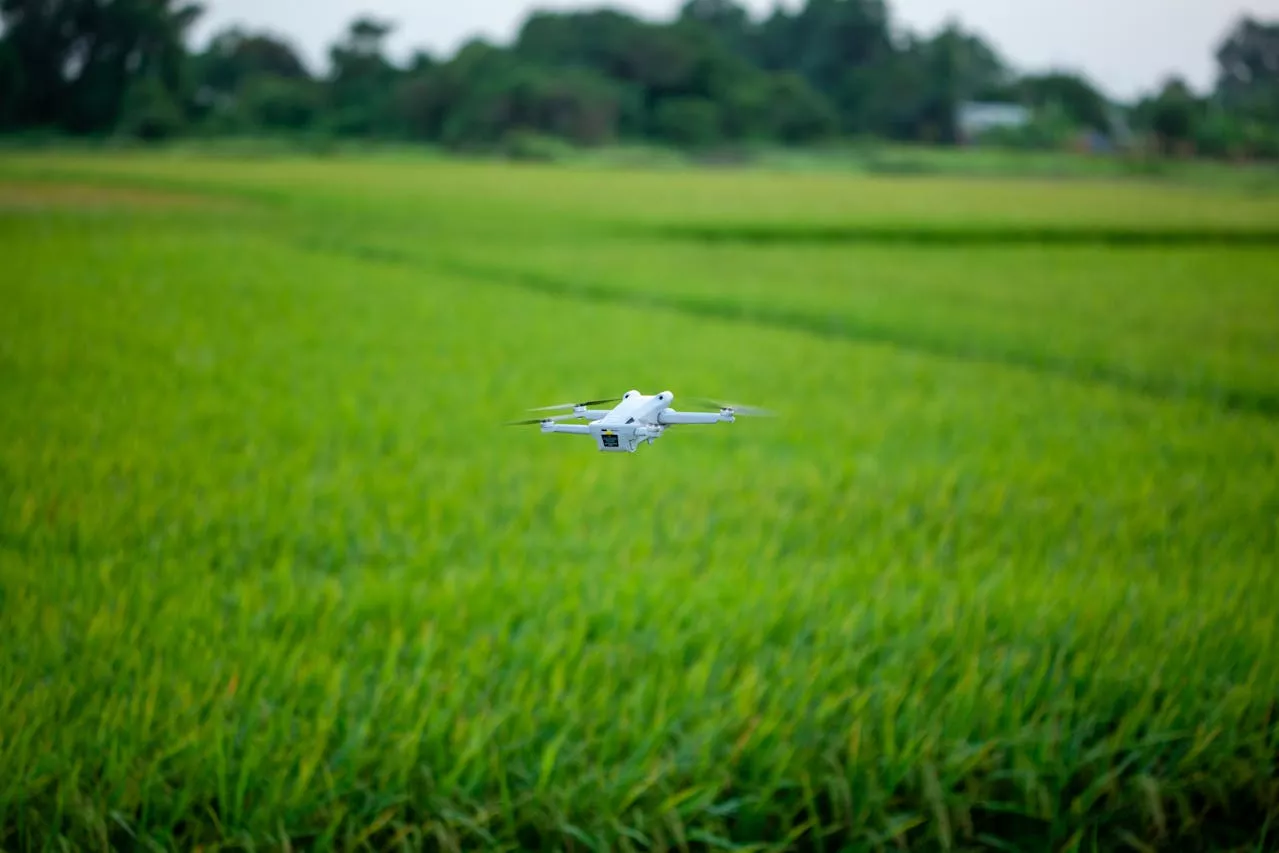
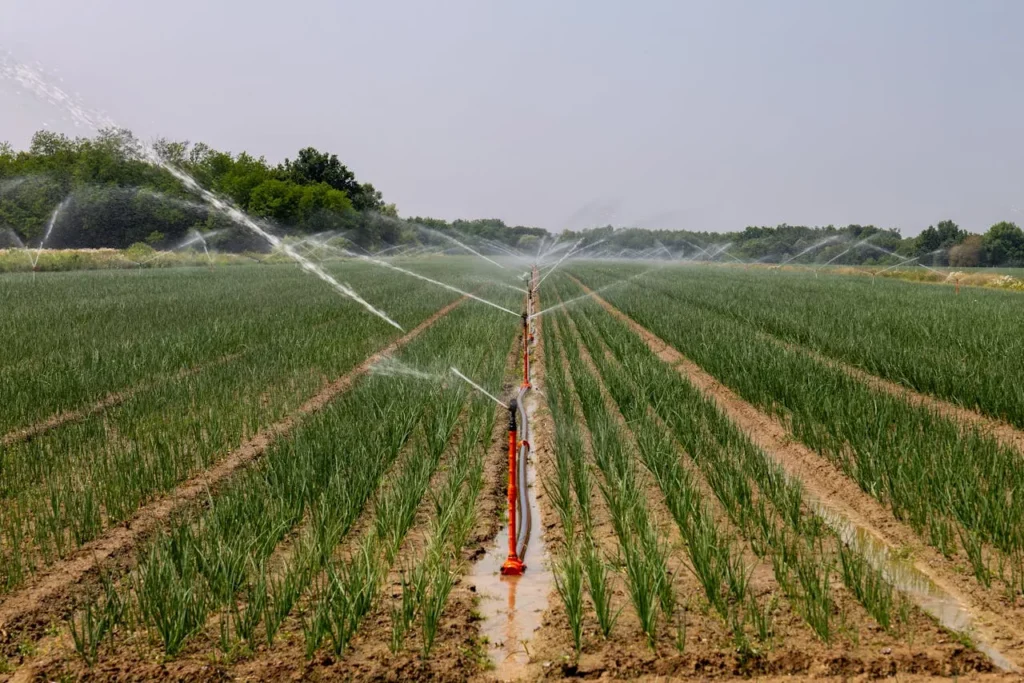
According to the FBA’s report, today’s farms are rapidly integrating connected devices and digital systems, including autonomous tractors, GPS-guided machinery, real-time soil and crop sensors, aerial drones, irrigation monitoring tools, livestock tracking systems, and cloud-based farm management software. These technologies continuously collect, transmit, and analyze large amounts of data, enabling farmers to make faster and more accurate operational decisions.
However, this transformation is creating an entirely new set of broadband demands.
Unlike traditional residential broadband usage—which primarily focuses on downloading content such as streaming video or browsing the internet—modern farms require robust upstream bandwidth to upload significant volumes of data generated in the field. High-resolution drone images, sensor data, machine diagnostics, and live operational analytics all depend on strong upload speeds, low latency, and highly reliable networks.
The FBA warns that current federal broadband definitions and funding benchmarks do not adequately reflect these evolving realities.
Today, many federal broadband programs use a minimum benchmark of 100 Mbps download and 20 Mbps upload, while some policymakers have proposed even lower thresholds, such as 50/25 Mbps. According to the report, these standards are already insufficient for many precision agriculture applications and could become increasingly outdated as digital farming tools become more sophisticated.
“Precision agriculture flips the traditional broadband model,” said Deborah Kish, Vice President of Research & Workforce Development at the Fiber Broadband Association. “Farms are generating massive amounts of data at the edge from technologies which require robust, reliable upstream capacity to turn that data into actionable insights. Without the right infrastructure, we risk limiting innovation in one of the most critical sectors of our economy.”
That shift in data flow—from farms uploading vast amounts of field-generated data rather than simply consuming content—is one of the key reasons why the report argues for a reassessment of broadband policy priorities.
The report notes that many precision agriculture systems rely on uninterrupted connectivity to function effectively. Autonomous tractors, for example, need continuous network communication to follow precise routes, adjust operations in real time, and coordinate with other connected machinery. Similarly, smart irrigation systems depend on live sensor readings to optimize water usage, while drone-based crop imaging requires rapid transmission of high-definition data to analytics platforms.
When connectivity fails, the consequences can be immediate and costly.
Network interruptions can halt autonomous equipment, delay time-sensitive decisions, interrupt planting or harvesting operations, and reduce overall productivity. For farmers working within narrow weather windows or managing perishable crops, even short service disruptions can create significant financial losses.
The paper also emphasizes that future agricultural innovation will intensify these demands.
Artificial intelligence (AI), machine learning, edge computing, and advanced predictive analytics are beginning to play a larger role in farming operations. These technologies allow farms to process data faster, automate decisions, and improve outcomes—but they also require stronger digital infrastructure.
For example, AI-powered crop disease detection systems can identify plant stress before symptoms become visible to the human eye. Machine learning tools can predict irrigation needs based on weather patterns and soil moisture data. Edge computing devices can analyze data locally in the field, reducing response times and enabling real-time action. Yet all of these innovations depend on networks capable of handling large volumes of data with minimal delay.
As these systems scale, broadband requirements will only grow.
The FBA report acknowledges that multiple technologies—including cable, fixed wireless, and satellite—play important roles in expanding rural connectivity. However, it concludes that fiber broadband remains the only long-term infrastructure solution capable of consistently meeting the demands of next-generation agriculture.
Fiber networks offer several distinct advantages.
First, they provide symmetrical speeds, meaning upload and download performance are equally strong—an essential feature for data-intensive agricultural applications. Second, fiber delivers significantly lower latency than most competing technologies, ensuring real-time responsiveness for connected equipment and automated systems. Third, fiber offers unmatched scalability, allowing networks to support increasing data demands without requiring major infrastructure replacement.
In contrast, alternative technologies may provide short-term access improvements but often struggle with capacity limitations, signal interference, or inconsistent performance—issues that can become problematic in mission-critical agricultural environments.
The report argues that investing in fiber broadband is not simply a telecommunications issue—it is a strategic economic priority.
Agriculture remains one of the foundational pillars of the U.S. economy, contributing trillions of dollars annually across farming, food production, logistics, and exports. As farms adopt more advanced digital tools, their competitiveness will increasingly depend on reliable access to high-capacity broadband.
Without modern infrastructure, rural communities risk falling behind—not only in agricultural productivity but also in broader economic development.
The FBA is using its upcoming Fiber Connect 2026 conference in Orlando to further spotlight this issue.
Precision agriculture will be featured prominently during dedicated programming on Monday, May 18, with sessions designed to explore how fiber networks can better support farming innovation. Planned events include two fireside chats focused on rural broadband and agriculture policy, as well as a panel discussion titled Fiber to the Last Acre, featuring industry leaders from EPC, t3 Broadband, and Nedia Fiber.
Additional speakers will include representatives from the Community Broadband Action Network, USDA Rural Development, the American Farm Bureau Federation, and Netceed, all of whom will discuss the challenges and opportunities involved in expanding broadband access across rural America.
The central message of the report is clear: broadband is no longer just about connecting homes and businesses—it is about powering the future of agriculture.
As farms become more automated, data-driven, and digitally interconnected, access to reliable, high-performance broadband will determine how effectively farmers can innovate, compete, and feed a growing global population.
For the Fiber Broadband Association, the solution is straightforward: if agriculture is becoming smarter, rural broadband infrastructure must become smarter too—and fiber must lead the way.
Source Link:https://www.businesswire.com/