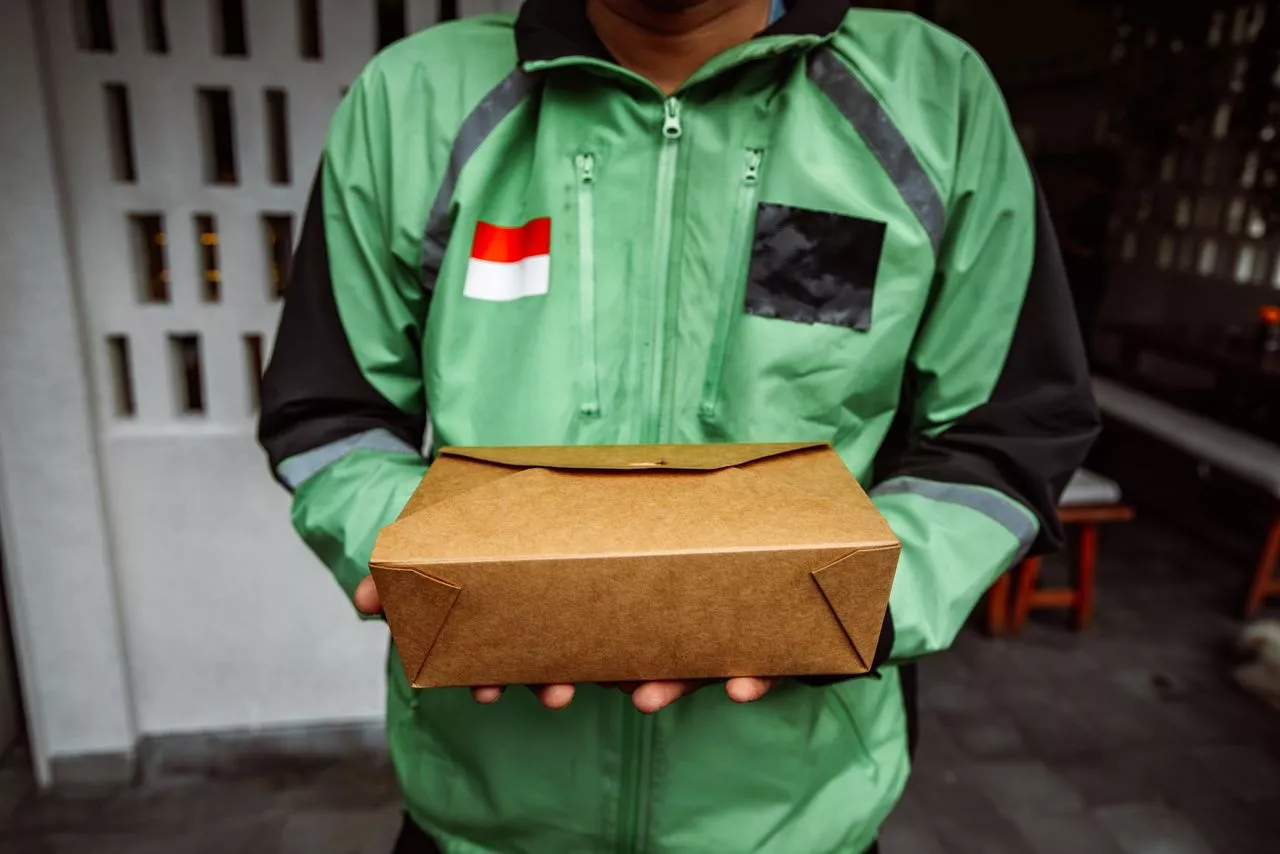
The Los Angeles Regional Food Bank and DoorDash have celebrated a $3 million state budget allocation designed to expand food delivery services and help address food insecurity across California. The announcement was marked by an event at the Los Angeles Regional Food Bank’s facility in the City of Industry, attended by Speaker of the Assembly Robert Rivas, Assemblymember Patrick Ahrens (AD 26), Assemblymember Lisa Calderon (AD 56), and local community representatives.
The funding, approved by the California Legislature and Governor Gavin Newsom last month, will support food delivery operations and direct food purchasing across five regional food banks. The participating organizations include the Los Angeles Regional Food Bank, Second Harvest of Silicon Valley, Second Harvest Food Bank Santa Cruz County, Food Bank of Santa Barbara County, and Emergency Food Bank of Stockton/San Joaquin.
The $3 million investment is intended to help food banks overcome barriers that prevent individuals and families from accessing nutritious food. By strengthening delivery capabilities and supporting direct food purchases, the initiative will help participating organizations reach more Californians who experience transportation difficulties, mobility limitations, and other challenges that make it difficult to obtain food assistance.
Access to nutritious food remains a challenge for many communities, particularly for individuals who cannot easily travel to grocery stores, food distribution centers, or food banks. Transportation limitations can prevent people from receiving assistance even when food resources are available in their communities.
The new state funding seeks to address this gap by supporting delivery services that bring food closer to the people who need it. Through expanded operations and additional food purchasing capacity, the participating food banks will be better positioned to respond to local needs and serve residents who face obstacles to accessing traditional food assistance programs.
The investment follows advocacy efforts by the California Food Bank Delivery Alliance, a coalition of five food banks that DoorDash helped organize. The alliance was established in response to concerns raised by food banks about the practical barriers that prevent community members from obtaining nutritious food.
Through collaboration, the participating organizations highlighted the importance of making food assistance accessible beyond traditional distribution locations. The coalition’s work helped bring attention to the need for additional resources to support delivery operations and improve access for vulnerable populations.
Liz Cervantes, Senior Director of Product Acquisitions and Agency Relations at the Los Angeles Regional Food Bank, emphasized the importance of transportation in determining whether families can access available food resources.
“For families and individuals with limited or no transportation, getting to a grocery store or food distribution can be a significant barrier to accessing nutritious food,” Cervantes said. “This funding will help us reach more neighbors facing these challenges. We’re grateful for the support and partnerships that are strengthening food access across Los Angeles County and throughout California.”
Her remarks underscored the role of delivery services in helping food banks extend their reach and support individuals who might otherwise struggle to access food assistance.
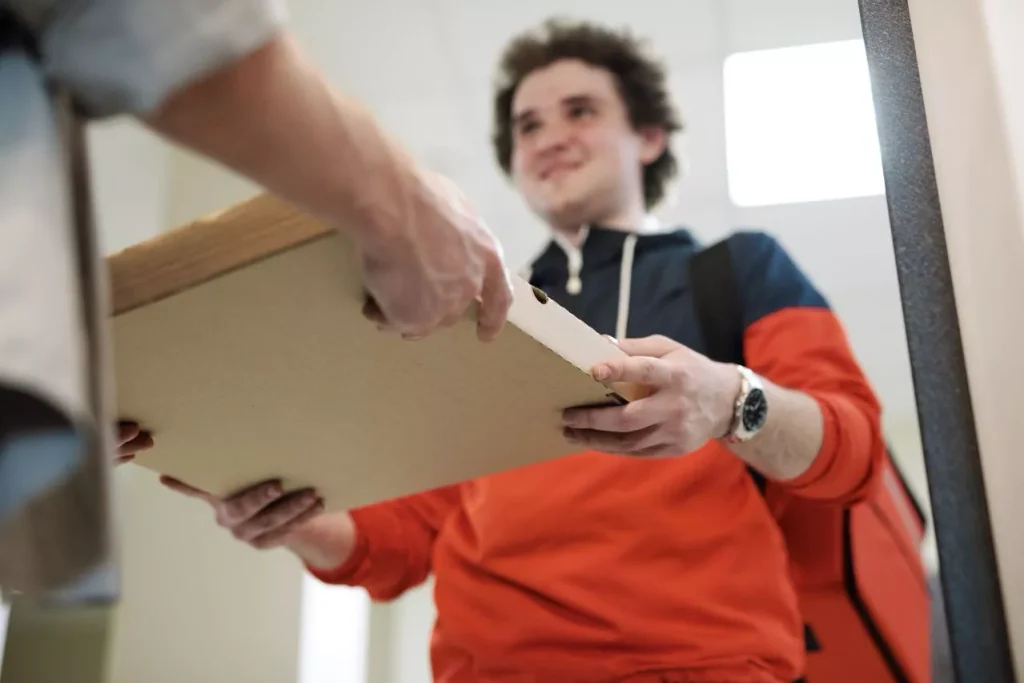
The celebration brought together state officials, nonprofit representatives, and private-sector partners to highlight the potential of coordinated efforts to address food insecurity.
The gathering at the Los Angeles Regional Food Bank’s City of Industry facility demonstrated how government investment, nonprofit expertise, and private-sector logistics capabilities can work together to improve access to essential resources.
Assemblymember Patrick Ahrens highlighted the importance of ensuring that food assistance programs are accessible to the people they are designed to serve.
“Food assistance can only make a difference if people can access it,” Ahrens said. “This investment will help food banks bring nutritious food directly to Californians facing transportation and mobility barriers. I’m proud to support this partnership and the food banks working every day to meet the needs of our communities.”
The funding will give participating food banks additional resources to deliver food directly to people who encounter difficulties reaching distribution sites. By reducing dependence on in-person collection, these services can help address practical barriers for households that have limited transportation options or face other access challenges.
Assemblymember Lisa Calderon also emphasized the importance of the Los Angeles Regional Food Bank in supporting communities throughout Los Angeles County.
“Here in the City of Industry, the Los Angeles Regional Food Bank plays a vital role in fighting hunger across Los Angeles County,” Calderon said. “This investment will help bring nutritious food directly to local families and seniors who face transportation and mobility barriers, ensuring more people can access the support they need.”
The involvement of state leaders reflects the importance of partnerships between public agencies and community organizations in addressing food insecurity. By directing resources toward delivery and food purchasing, California aims to strengthen the ability of regional food banks to respond to the needs of residents across different communities.
DoorDash has supported food access initiatives through Project DASH, a program that helps food banks and community organizations deliver food directly to people facing transportation, mobility, and other access barriers.
The company has completed more than two million meal deliveries through Project DASH in California. These deliveries demonstrate how logistics technology and delivery networks can help nonprofit organizations extend the reach of existing food assistance programs.
Rather than requiring every recipient to travel to a food distribution location, delivery-based programs allow participating organizations to bring food directly to eligible individuals and households. This approach can be particularly valuable for seniors, people with disabilities, working parents, and others who face challenges balancing transportation, work, caregiving, or mobility needs.
The program also illustrates how private-sector delivery infrastructure can complement the experience and community relationships of established food banks. Food banks remain central to identifying local needs, procuring food, and coordinating assistance, while delivery partners can help address the logistical challenges associated with reaching recipients.
Victor Ruiz-Cornejo, Head of California Public Policy at DoorDash, said the initiative reflects the importance of removing transportation barriers from food assistance.
“For seniors, people with disabilities, and working parents, getting to a food bank isn’t always easy. But access to food shouldn’t depend on access to transportation,” Ruiz-Cornejo said. “California’s investment will help bring food directly to those who need it most. Building on the success of Project DASH, it’s a powerful example of what government, nonprofits, and businesses can accomplish together.”
The state allocation builds on the delivery experience developed through Project DASH and the partnerships DoorDash has established with food banks and community organizations. By combining public funding with nonprofit distribution networks and private-sector logistics, the participating organizations aim to make food assistance more accessible to people who face barriers to obtaining it.
The $3 million allocation will support food delivery operations and direct food purchasing across five regional food banks serving communities throughout California.
The Los Angeles Regional Food Bank will use the investment to strengthen its efforts to address hunger across Los Angeles County, including among residents who have difficulty traveling to food distribution locations. The other participating organizations—Second Harvest of Silicon Valley, Second Harvest Food Bank Santa Cruz County, Food Bank of Santa Barbara County, and Emergency Food Bank of Stockton/San Joaquin—will also benefit from the funding.
Supporting multiple regional food banks allows the initiative to reach communities with different needs and geographic challenges. Each organization has established relationships with local residents and community partners, helping it understand where food assistance is needed and how available resources can be distributed effectively.
Direct food purchasing is another important component of the investment. In addition to strengthening delivery operations, the allocation will help participating food banks purchase food to support their assistance programs. This combination of food procurement and delivery support is intended to improve the organizations’ ability to provide nutritious food to people experiencing food insecurity.
The funding also highlights the importance of coordinating resources across nonprofit organizations, state government, and businesses. Food insecurity is a complex challenge that can require more than making food available; assistance must also be accessible to individuals whose circumstances prevent them from reaching conventional distribution points.
The partnership between the Los Angeles Regional Food Bank, DoorDash, state officials, and the other participating food banks represents a collaborative approach to expanding food access.
The California Food Bank Delivery Alliance helped bring attention to delivery barriers experienced by communities, while Project DASH has provided a framework for using logistics services to support food banks and community organizations. The new state funding adds financial resources to these efforts, helping participating organizations expand delivery and food purchasing activities.
As the initiative moves forward, the investment is expected to strengthen the capacity of the five food banks to reach people who face transportation and mobility challenges. Its broader objective is to help ensure that food assistance reaches individuals and families who need it, regardless of their ability to travel to a distribution site.
The $3 million allocation demonstrates how public investment, community-based food distribution, and private-sector delivery capabilities can work together to address gaps in food access. Through continued cooperation, the participating organizations aim to make nutritious food more accessible and strengthen support for Californians experiencing food insecurity.
Source Link:https://about.doordash.com/