
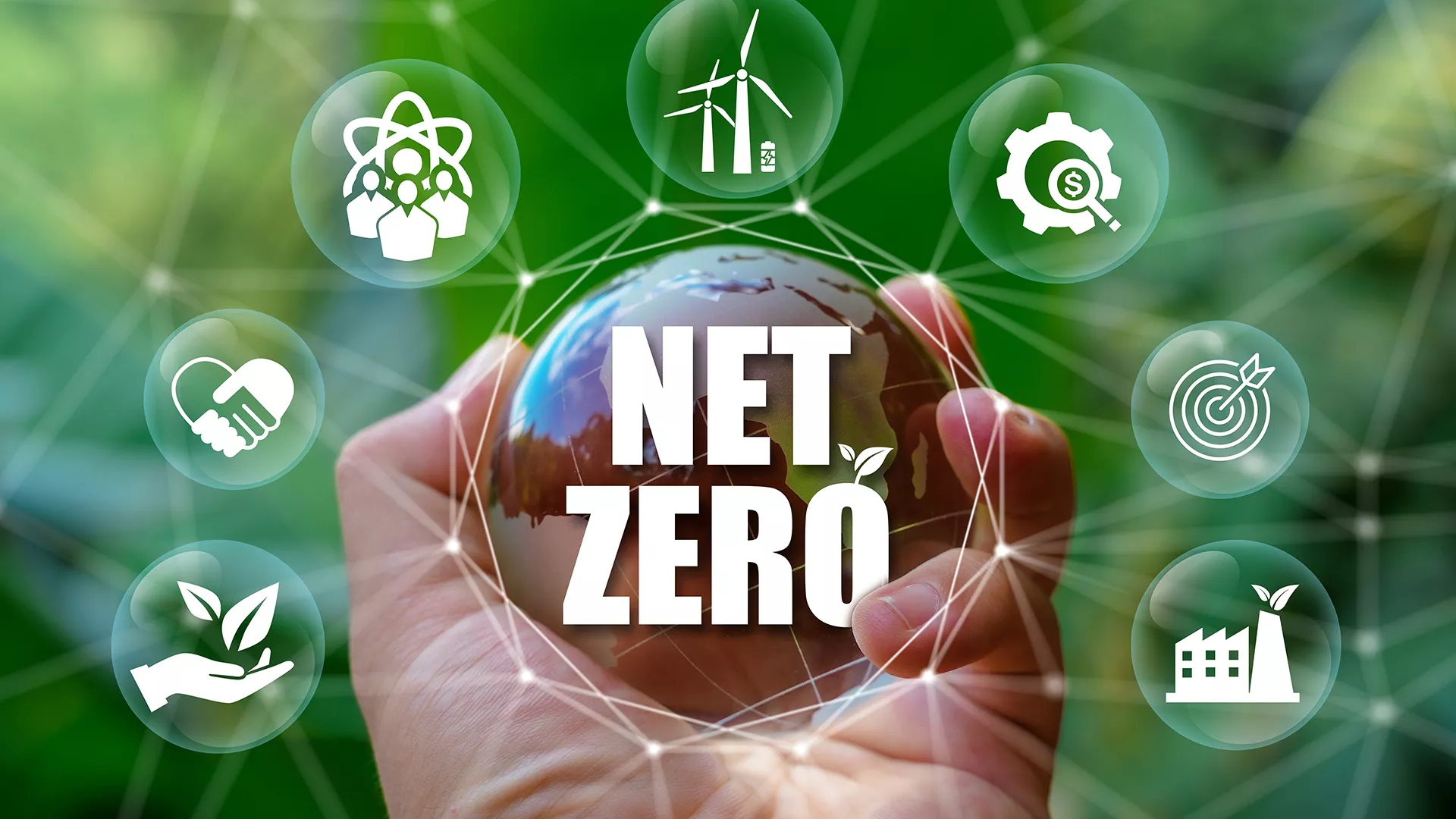
Kirin Holdings Company, Limited has reaffirmed its commitment to climate leadership by re-acquiring validation for its net-zero greenhouse gas (GHG) emissions targets from the Science Based Targets initiative (SBTi) in March 2026. This marks a significant milestone for the company, which originally became the first food-sector business globally to obtain SBTi’s “Net-Zero” certification in July 2022. Alongside this re-validation, Kirin has introduced new Forest, Land, and Agriculture (FLAG) targets, reflecting both changes in its business portfolio and updated SBTi guidelines shaped by evolving environmental conditions and global expectations.
Strengthening Climate Strategy Across the Value Chain
Kirin’s renewed certification underscores its long-term ambition to achieve net-zero emissions across its entire value chain. This goal was first articulated in the company’s Kirin Group Environmental Vision 2050, announced in 2020. The roadmap for achieving this vision has been in motion since January 2022, guiding the company’s emissions reduction strategies across operations and supply chains.
The introduction of FLAG targets represents a critical evolution in Kirin’s climate strategy. These targets specifically address emissions related to land use and agriculture—areas that are increasingly recognized as major contributors to global GHG emissions. Under the new framework, Kirin aims to reduce FLAG-related emissions by 33% by 2030 compared to its 2019 baseline.
Unlike previous targets that primarily focused on Scope 3 emissions (indirect emissions across the value chain), the new FLAG targets also encompass Scope 1 emissions—those generated directly by the company’s own operations. This dual focus highlights Kirin’s comprehensive approach to emissions reduction, addressing both upstream agricultural impacts and its own operational footprint.
Addressing Agricultural Emissions Challenges
Agriculture plays a central role in Kirin’s business, particularly within its alcoholic beverages and non-alcoholic beverages & health science segments, which rely heavily on raw materials such as grains and other crops. However, modern agricultural practices—especially large-scale industrial farming—are a significant source of GHG emissions.
Industrial agriculture often involves intensive use of chemical fertilizers, monoculture cropping systems, and frequent soil tillage. These practices contribute to emissions of nitrous oxide (N₂O), a greenhouse gas with a global warming potential far greater than carbon dioxide. Additionally, soil disturbance releases stored carbon into the atmosphere, exacerbating climate change.
Beyond emissions, these methods can degrade soil health and water quality, creating broader environmental challenges. Recognizing these risks, Kirin has emphasized the importance of transforming agricultural practices to ensure sustainable sourcing of key commodities while minimizing environmental impact.
Innovative Solutions at the Farm Level
To address Scope 1 emissions and demonstrate practical solutions, Kirin has initiated several pilot projects on farmland it owns. One of the most notable efforts is underway at Château Mercian Mariko Vineyard in Japan, where the company is collaborating with the National Agriculture and Food Research Organization (NARO) on a joint research initiative launched in March 2024.
This project focuses on evaluating the carbon sequestration potential of biochar—a carbon-rich material produced by heating biomass under controlled conditions. At the vineyard, biochar is created using grape pruning residues and other organic waste, then applied to the soil to enhance carbon storage and improve soil health.
In addition to biochar application, the vineyard employs a range of sustainable farming practices. These include no-tillage farming, which reduces soil disturbance and helps maintain soil carbon levels, and the use of cover crops to protect soil, enhance biodiversity, and prevent erosion. Careful management of chemical fertilizers is also part of the strategy to reduce emissions associated with nutrient use.
Together, these approaches represent a holistic effort to lower agricultural emissions while maintaining productivity and improving ecosystem resilience.
Collaborating Across the Supply Chain
While on-farm initiatives are critical, a significant portion of Kirin’s emissions arises from its broader supply chain. To tackle Scope 3 emissions, the company is working closely with suppliers to reduce emissions associated with key inputs such as aluminum cans, PET bottles, and malt.
These efforts involve not only technological and operational changes but also financial considerations. Kirin acknowledges that many emissions reduction initiatives will require increased investment and may lead to higher costs in the short term. To address this, the company is developing new decision-making frameworks that balance environmental impact with financial performance.
A key component of this approach is the implementation of a system to simulate the cost-effectiveness of various GHG reduction measures. This system enables Kirin to assess the financial implications of different initiatives and prioritize those that deliver the greatest impact relative to cost.
Based on current projections, the company estimates that its Scope 3 transition plan will have a financial impact of approximately 20 billion yen by 2030. Despite this significant investment, Kirin views these expenditures as essential to achieving both its sustainability goals and long-term business resilience.
Governance and Organizational Commitment
To ensure effective implementation of its climate strategy, Kirin has strengthened its governance structures. The “Kirin Supply Chain Environmental Program,” launched in April 2024, plays a central role in monitoring progress and driving accountability.
Under this program, emissions reduction initiatives are regularly reviewed by the Group CSV (Creating Shared Value) Committee, along with specialized bodies such as the Group Environmental Meeting. This structure ensures that sustainability remains a top priority at the highest levels of management.
By integrating environmental considerations into decision-making processes and establishing mechanisms to evaluate financial impacts on an ongoing basis, Kirin aims to create a model of sustainable management that is both environmentally responsible and economically viable.
A Broader Vision for Sustainability
Kirin’s environmental initiatives are rooted in its broader philosophy of working in harmony with nature. As a company that relies heavily on natural resources, Kirin recognizes its responsibility to protect and preserve the ecosystems that support its business.
In addressing complex and interconnected challenges—ranging from climate change and biodiversity loss to water resource management and sustainable packaging—the company is committed to creating positive impacts for both people and the planet.
Looking ahead, Kirin plans to continue engaging stakeholders across its value chain, sharing its sustainability vision, and collaborating on solutions that contribute to a more resilient and sustainable future. By aligning its business strategy with global climate goals and advancing innovative approaches to emissions reduction, the company aims to set a benchmark for environmental leadership in the food and beverage industry.
Ultimately, Kirin’s re-acquisition of SBTi net-zero validation and the establishment of FLAG targets signal not just compliance with evolving standards, but a proactive commitment to driving meaningful change in how agricultural and industrial systems operate in a carbon-constrained world.
Source Link:https://www.kirinholdings.com/