
Monsanto Proposes Nationwide Roundup™ Class Settlement to Address Current and Future Claims
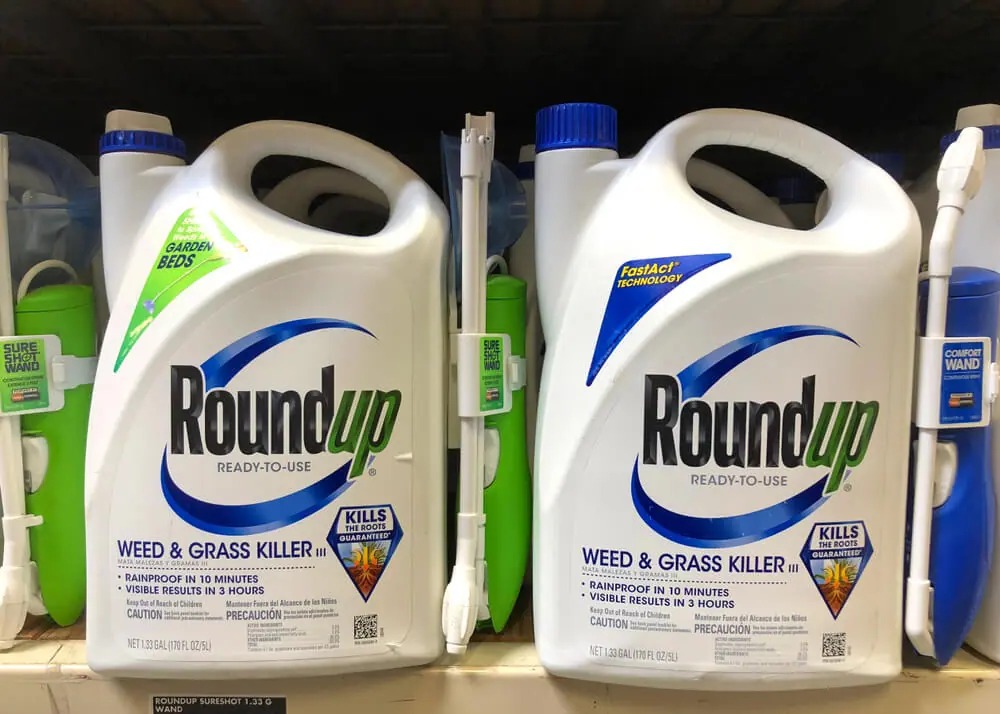
Monsanto has announced a proposed nationwide class settlement in the United States aimed at resolving current and future legal claims related to Roundup™ products. The proposed agreement focuses specifically on allegations that exposure to Roundup™ caused Non-Hodgkin lymphoma (NHL). The settlement seeks to establish a structured, long-term claims program that would provide compensation while significantly containing ongoing litigation risks.
Leading plaintiff law firms representing the proposed class filed a motion seeking preliminary approval of the settlement in the Circuit Court of the City of St. Louis, Missouri. If approved, the agreement would represent a major step in addressing the company’s extensive Roundup™ litigation and creating a more predictable framework for managing related claims in the future.
This proposed class settlement forms part of a broader legal strategy that includes pending review by the U.S. Supreme Court in the Durnell case. According to the company, both the settlement and the Supreme Court case are essential and mutually reinforcing components of its multipronged effort to reduce litigation uncertainty and achieve long-term resolution.
Strategic Importance of the Settlement and Supreme Court Review
Bill Anderson, CEO of Bayer, emphasized that the class settlement and the Supreme Court case together create a critical pathway to resolving the protracted legal disputes surrounding Roundup™. He stated that addressing the litigation is necessary to allow the company to refocus on its broader mission of advancing innovation in agriculture and healthcare.
The company views regulatory clarity as a central issue in the ongoing litigation. A key question before the Supreme Court is whether state-level failure-to-warn claims are preempted by federal law. This question has broad implications for product liability cases involving federally regulated products.
According to Monsanto and Bayer, Supreme Court guidance on this issue would provide legal certainty not only for Roundup™ but also for other products regulated under federal frameworks. The company argues that clearer federal standards would strengthen consistency in agricultural regulation and reduce uncertainty for businesses operating within the U.S. market.
Financial Structure of the Proposed Settlement
Under the proposed settlement terms, Monsanto would make declining capped annual payments for up to 21 years, totaling up to $7.25 billion, subject to court approval. The long-term payment structure is designed to provide greater predictability and financial control over litigation costs.
By spreading payments over an extended period, the company aims to stabilize its financial exposure and limit the risk of unpredictable verdicts or settlements. The settlement framework is structured to address both existing claims and potential future claimants who allege injuries related to Roundup™ exposure.
In addition to the class settlement, Monsanto has reached confidential agreements to resolve certain other Roundup™ (glyphosate) cases. These separate agreements are not publicly detailed but contribute to the company’s broader effort to reduce outstanding legal liabilities.
Resolution of PCB-Related Cases
Beyond glyphosate-related litigation, Monsanto has also resolved several cases involving polychlorinated biphenyls (PCBs). Earlier this year, the company settled eight remaining PCB verdicts connected to the Sky Valley Education Center (SVEC) in Washington state. These settlements were reached on confidential terms.
Previously, Monsanto also resolved PCB environmental cases with the U.S. states of Illinois and West Virginia. These actions further consolidate the company’s efforts to address legacy environmental litigation and reduce long-term legal exposure.
Impact on Financial Provisions and Cash Flow
Subject to a final audit, the cumulative effect of the recent settlements and related litigation costs will significantly increase Bayer’s provisions and liabilities for litigation. As of September 30, 2025, the company had recorded litigation provisions of 7.8 billion euros, including 6.5 billion euros specifically for glyphosate-related matters.
Following the new resolutions, total litigation provisions are expected to rise to approximately 11.8 billion euros, including 9.6 billion euros allocated for glyphosate cases. This increase reflects both the scope of the proposed class settlement and the resolution of additional legal matters.
Bayer has estimated that total litigation-related payouts could reach approximately 5 billion euros in 2026 alone. As a result, the company anticipates negative free cash flow for that year. To incorporate the financial impact of the settlement agreements, Bayer has postponed the announcement of its 2025 year-end financial results and 2026 guidance to March 4.
Financing the Settlement and Bond Obligations
To support the immediate financial requirements of the settlement and certain bond maturities, Monsanto has secured an $8 billion bank loan facility. This financing provides short-term liquidity and ensures that the company can meet its settlement obligations once court approval is obtained.
For long-term financing, Bayer plans to utilize senior bonds and financial instruments that receive equity credit from rating agencies. Importantly, the company does not intend to pursue an authorized capital increase as part of its financing strategy.
This approach reflects Bayer’s effort to manage the financial burden of litigation while maintaining capital structure stability and credit ratings.
No Admission of Liability
Monsanto has emphasized that the settlement agreements do not include any admission of liability or wrongdoing. The company maintains that it is pursuing these actions solely to contain litigation and provide financial certainty.
The company continues to point to regulatory assessments supporting the safety of glyphosate-based herbicides. Leading regulatory authorities, including the U.S. Environmental Protection Agency (EPA) and various European Union regulatory bodies, have concluded—based on extensive scientific reviews—that glyphosate products can be used safely and are not carcinogenic when applied as directed.
According to Monsanto and Bayer, glyphosate-based herbicides remain essential agricultural tools that enable farmers to produce affordable food efficiently and sustainably.
Ongoing Legislative and Regulatory Efforts
In addition to the settlement and Supreme Court review, Monsanto plans to continue supporting legislative and regulatory initiatives at both state and federal levels. These efforts are aimed at achieving greater regulatory clarity and reducing litigation risk associated with federally approved agricultural products.
The company argues that continued regulatory uncertainty could jeopardize the availability of existing and future agricultural innovations. Such uncertainty, it contends, may have serious consequences for farmers, agricultural productivity, and the broader American food system.
Supreme Court Case and Its Broader Implications
The U.S. Supreme Court’s decision to review the Durnell case plays a central role in Monsanto’s legal strategy. The case addresses whether federal law preempts state-based failure-to-warn claims concerning product labeling.
Although the proposed class settlement addresses a wide range of claims, the Supreme Court review remains critical. It is expected to influence outstanding damage awards that are currently under appeal and are not covered by the settlement.
A favorable Supreme Court ruling for Monsanto could significantly limit the viability of future state-level warning claims. This outcome would potentially reduce ongoing litigation, including claims from individuals who opt out of the class settlement.
More broadly, such a ruling could provide essential legal clarity for companies that develop and market federally regulated agricultural and consumer products. Clear guidance on federal preemption would strengthen regulatory consistency and reduce prolonged legal disputes.
Comprehensive Approach to Litigation Containment
The proposed class settlement is structured to resolve claims relating to Roundup™ exposure and NHL regardless of the specific legal theory advanced. By doing so, it aims to address claims that might otherwise persist even after the Supreme Court’s ruling.
Monsanto and Bayer describe the settlement and Supreme Court case as complementary strategies. Together, they are designed to bring stronger, more certain, and more timely containment to the litigation.
Through these coordinated legal, financial, and regulatory efforts, the company seeks to reduce long-term uncertainty, stabilize its financial position, and refocus on innovation in agriculture and healthcare.
About the class program
The class settlement was negotiated with class representatives who, in turn, were represented by leading plaintiff law firms Holland Law Firm, Ketchmark & McCreight, Motley Rice, Seeger Weiss, Waters Kraus Paul & Siegel, and Williams Hart & Boundas. These law firms support the settlement and its approval by the court.
The settlement covers plaintiffs who allege exposure to Roundup™ prior to February 17, 2026, and:
- have a medical diagnosis of NHL now; or
- receive a medical diagnosis of NHL before the end of a 16-year period following final approval of the agreement.
The proposed class settlement differs markedly from the prior class settlement put forth by the company in 2020. The new proposed settlement is a long-term compensation program, with funding for up to 21 years, and is structured to address the needs of both present and future claimants through a common claims program, managed by a professional claims administrator. The prior proposed class settlement was a short-term program limited to four years with far less funding, and future litigation beyond four years was subject to determinations of an expert science panel, a feature that is not part of the current proposed program.
The settlement is subject to court approval. As part of the approval process, members of the class will receive notice and have the opportunity to opt out of the settlement. Monsanto will have the right to terminate the settlement without claims payments if the number of opt outs is excessive.
Source link: https://www.businesswire.com/