


Natural Allies Deployed: Agricultural Officials Release Beneficial Insects to Combat Invasive Pests
In recognition of Invasive Plant Pest and Disease Awareness Month (IPPDAM) each April, the California Department of Food and Agriculture (CDFA) is intensifying its efforts to protect the state’s expansive agricultural economy and residential landscapes from the growing threat of invasive pests and plant diseases. With California’s agriculture valued at tens of billions of dollars annually, safeguarding crops—especially high-value commodities like citrus—is a top priority. Among the many strategies deployed, biological control, or “biocontrol,” has emerged as a highly effective and environmentally sustainable tool.
At the forefront of these efforts is CDFA’s Citrus Pest and Disease Prevention Division (CPDPD), which employs a comprehensive integrated pest management (IPM) approach. This strategy combines biological, cultural, and chemical methods to manage pest populations while minimizing environmental impact. One of the most innovative and successful components of this program is the use of a tiny parasitic wasp known as Tamarixia radiata.
This beneficial insect plays a critical role in combating the Asian citrus psyllid (ACP), an invasive pest that poses a severe threat to citrus trees. ACP is responsible for transmitting Huanglongbing (HLB), also known as citrus greening disease—a devastating plant illness with no known cure. Once a tree becomes infected, it gradually declines and ultimately dies, making prevention and control of the vector pest essential.
Tamarixia radiata offers a natural, science-based solution to this challenge. These wasps are extremely small, stingless, and harmless to humans and animals. Their effectiveness lies in their lifecycle: female Tamarixia lay their eggs on ACP nymphs, and once the larvae hatch, they consume the host, preventing the psyllids from maturing into reproductive adults. By interrupting the pest’s life cycle, Tamarixia significantly reduces ACP populations and helps slow the spread of HLB across citrus-growing regions.
Since launching its biocontrol initiative in 2012 in collaboration with University of California, Riverside, CDFA has made remarkable progress. Over 34 million Tamarixia wasps have been released across California, initially targeting residential citrus trees in Southern California—where ACP infestations were first detected. Over time, the program has expanded geographically and operationally, becoming a cornerstone of the state’s pest management framework.
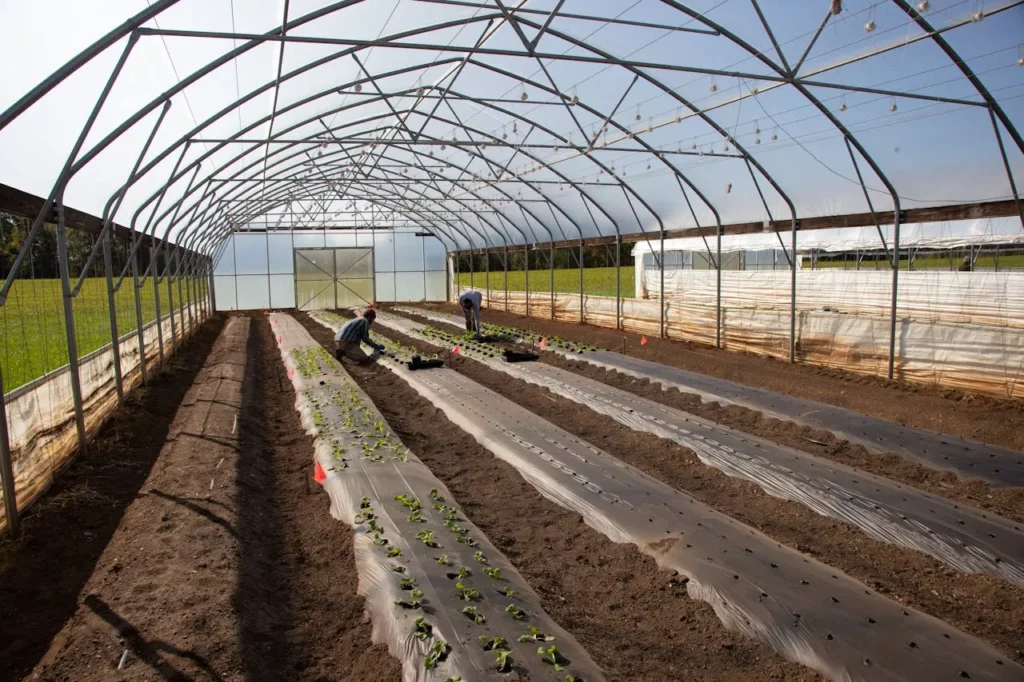
Today, the CPDPD Biocontrol Program oversees all aspects of Tamarixia rearing and release, both domestically and internationally. It works in close partnership with leading institutions such as California Polytechnic State University, Pomona, the United States Department of Agriculture, and Canine Detection Services. These collaborations enhance research, improve deployment strategies, and ensure that biological control measures remain effective and adaptable to evolving pest pressures.
While ACP and HLB represent some of the most pressing threats, they are not the only targets of CDFA’s biocontrol initiatives. The department has implemented a variety of programs to address other invasive species, including the use of sterile insect techniques to combat fruit fly infestations and the deployment of natural enemies in programs like the Pierce’s Disease Control Program. These efforts demonstrate the versatility and effectiveness of biological control as part of a broader pest management strategy.
However, experts emphasize that biocontrol alone is not a silver bullet. Its success depends on integration with other control methods and, importantly, active participation from the public and agricultural stakeholders. Community awareness and cooperation are essential to detect infestations early and prevent the spread of pests and diseases.
During IPPDAM, CDFA is urging residents to stay vigilant and take proactive steps to protect their backyard citrus trees. The Asian citrus psyllid is extremely small—about one-eighth of an inch long—but its impact can be devastating. It feeds on citrus leaves and stems, and as it moves between trees, it can transmit Huanglongbing. Once infected, citrus trees cannot recover and will eventually die, posing a serious threat to both commercial orchards and homegrown citrus.
Cases of HLB-infected trees have already been confirmed in several California counties, including Los Angeles, Orange, San Bernardino, San Diego, Riverside, and Ventura. To contain the disease, strict quarantine zones have been established in these regions. Residents living within these zones are prohibited from moving citrus plants, clippings, or fruit outside the area, as this could inadvertently spread ACP or the disease itself.
To support these efforts, CDFA recommends several practical steps that residents can take:
- Control ants near citrus trees: Ants can interfere with the effectiveness of Tamarixia radiata by protecting ACP populations from predation. Using safe and approved ant control methods around the base of trees can help maintain the wasp’s effectiveness. Guidance is available through University of California Agriculture and Natural Resources.
- Inspect citrus trees regularly: Homeowners should frequently check for signs of infestation or disease, such as yellowing shoots, blotchy or mottled leaves, and misshapen or bitter fruit. Early detection is key to preventing widespread damage. Suspicious symptoms should be reported to CDFA’s pest hotline.
- Cooperate with agricultural officials: When monitoring or treatment activities are conducted in local areas, cooperation from residents enables faster response times and more effective containment of pests and diseases.
- Dispose of plant material responsibly: Citrus clippings and yard waste should be dried or double-bagged before disposal. This prevents ACP from hitchhiking on plant debris and spreading to new locations.
Ultimately, California’s fight against invasive pests like ACP and diseases such as HLB is a shared responsibility. Through continued innovation, strong partnerships, and public engagement, CDFA aims to protect the state’s citrus industry and preserve the health of its landscapes for generations to come.
Source Link:https://www.businesswire.com/