
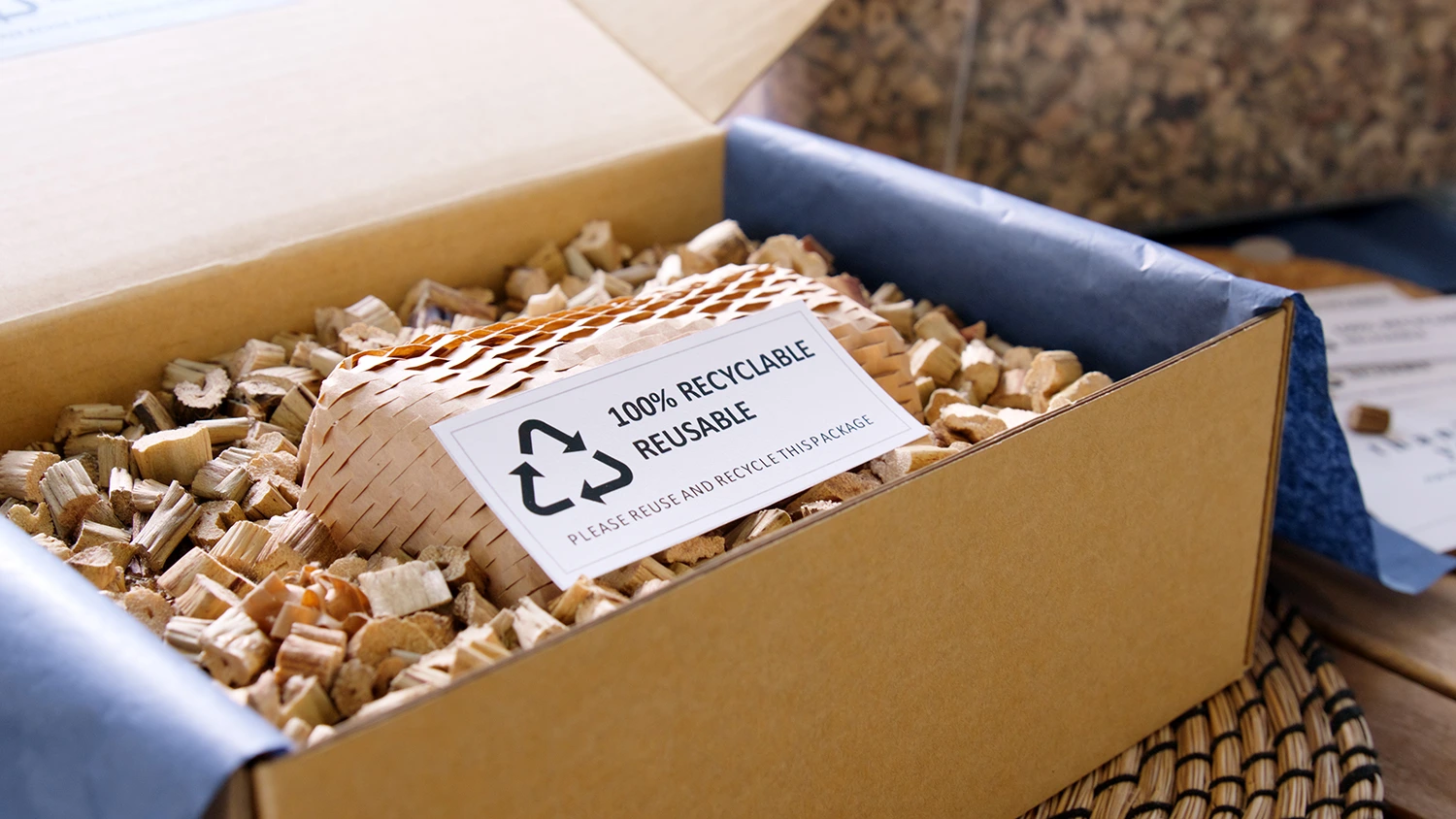
With nearly all of its packaging now designed for recyclability and major gains in water conservation across its operations, Barilla is continuing to deepen its long-standing commitment to sustainable resource management. In 2024, the company reported that 99.8% of its packaging was designed to be recyclable, alongside a 45% increase in the volume of water recycled and reused compared to 2022. These milestones reflect a broader strategic push toward circular production models and responsible environmental stewardship.
Barilla’s progress comes into sharper focus during globally recognized sustainability observances such as Global Recycling Day and World Water Day. These occasions serve as reminders of the urgent need for industries to adopt practices that conserve resources, reduce waste, and minimize environmental impact. For Barilla, they also represent an opportunity to reaffirm its commitment to advancing sustainable innovation across its value chain—from sourcing raw materials to manufacturing and packaging finished products.
Water as a Strategic Resource
Water plays a critical role in Barilla’s operations, particularly in the production of pasta and sauces, where it is essential not only as an ingredient but also in processing, cleaning, and maintaining plant hygiene. Recognizing the importance of water both for its business and for the ecosystems in which it operates, the company has made water stewardship a central pillar of its sustainability strategy.
Barilla has implemented a comprehensive approach to managing water resources that emphasizes reduction, reuse, and responsible sourcing. Across its global operations, the company continuously works to decrease water consumption through process optimization, technological upgrades, and employee engagement initiatives. At the same time, it actively promotes the recovery and reuse of water within its facilities, aiming to create closed-loop systems wherever possible.
A key component of this strategy is the adoption of an Environmental Management System aligned with the International Organization for Standardization’s ISO 14001 standard. This framework enables Barilla to systematically monitor environmental performance, ensure compliance with regulations, and identify opportunities for continuous improvement. In addition, the company conducts detailed Life Cycle Assessments (LCA) of its products, evaluating environmental impacts across every stage—from raw material extraction to end-of-life disposal. Within these assessments, particular attention is given to the Water Scarcity Index, which helps measure water usage relative to local availability, ensuring that operations are sensitive to regional water stress conditions.
Water used in Barilla’s facilities is sourced from a combination of aqueducts, wells, and surface water bodies. To safeguard environmental quality, the company has established rigorous monitoring systems that track water usage and ensure compliance with local and international standards. Wastewater generated during production is treated through advanced purification systems before being discharged, with strict controls in place to prevent pollution and protect surrounding ecosystems.
Each of Barilla’s production sites is required to set annual targets for reducing water consumption. Progress against these targets is tracked monthly באמצעות the company’s Supply Chain Scorecard, a global platform that aggregates environmental performance data and enables real-time monitoring. This data-driven approach allows Barilla to identify inefficiencies, share best practices across facilities, and accelerate improvements in water management.
Significant Gains in Water Recycling
One of the most notable achievements in recent years has been the substantial increase in water recycling and reuse. Between 2022 and 2024, Barilla boosted the total volume of recycled and reused water by 45%. The impact is even more pronounced in regions experiencing higher levels of water stress, where recycling efforts increased by an impressive 164%. These gains demonstrate the company’s ability to tailor its sustainability initiatives to local conditions, prioritizing water conservation where it is needed most.
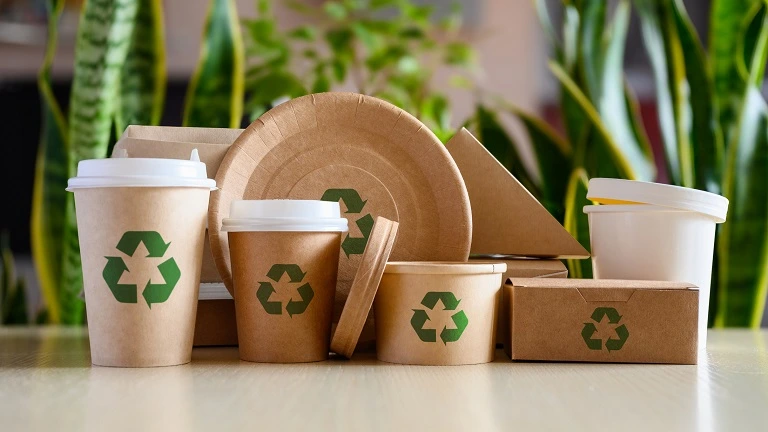
A standout example of innovation in water management can be found at Barilla’s production facility in Parma, specifically the Rubbiano plant. This site, which specializes in the production of sauces and pesto, has undergone significant upgrades to its wastewater treatment systems. Through the implementation of advanced recycling technologies, the plant successfully recovered more than 62,000 cubic meters of water between 2022 and 2024. This recovered water is then reused within the facility, reducing the need for fresh water extraction and lowering the plant’s overall environmental footprint.
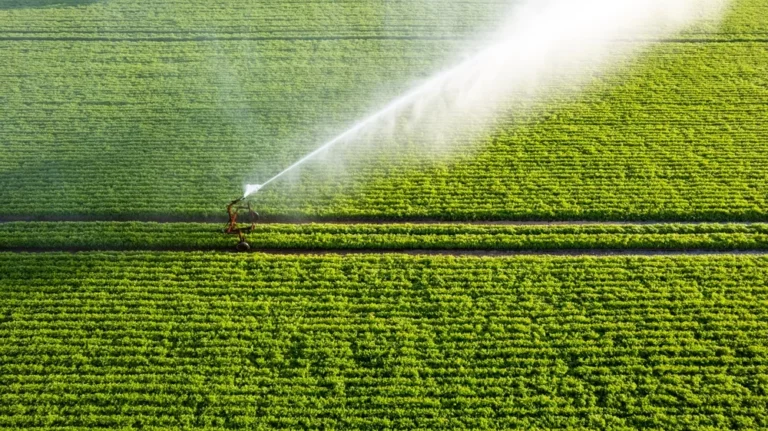
Barilla’s commitment to water stewardship extends beyond its own operations to include its agricultural supply chain. The company collaborates with farmers who supply key ingredients such as tomatoes and basil, encouraging the adoption of more efficient irrigation methods and sustainable farming practices. These voluntary partnerships aim to reduce water consumption at the source, ensuring that sustainability is embedded throughout the entire production process.
Future Investments in Water Efficiency
Looking ahead, Barilla is continuing to invest heavily in initiatives designed to enhance water efficiency and resilience. At the Rubbiano plant alone, the company has earmarked more than €5 million for further improvements as part of its broader Energy & Water Plan. This ambitious program, launched in 2024 with a total budget of €168 million, seeks to drive significant advancements in both energy and water management across the company’s global operations.
One of the key targets of the plan is to increase the recycled water index by 250% in the most water-stressed areas by 2030, using 2022 as the baseline. Achieving this goal will require ongoing innovation, investment in cutting-edge technologies, and close collaboration with stakeholders across the value chain. However, Barilla’s recent progress suggests that it is well-positioned to meet these ambitious objectives.
Advancing Circular Packaging Solutions
In parallel with its efforts to conserve water, Barilla has made substantial progress in improving the sustainability of its packaging. Packaging represents a significant environmental challenge for the food industry, not only because of the waste it generates but also due to the emissions associated with its production and disposal. Barilla’s approach focuses on designing packaging that protects product quality while minimizing environmental impact.
As of 2024, 99.8% of Barilla’s packaging is designed to be recyclable, a figure that places the company among industry leaders in sustainable packaging design. Additionally, more than half of the materials used in its packaging globally are recycled, reducing reliance on virgin resources and lowering the overall carbon footprint. Paper and cardboard account for 71% of the company’s packaging materials, reflecting a strategic shift toward renewable and widely recyclable options.
These efforts are guided by Barilla’s Sustainable Packaging Principles, first introduced in 1997 and continuously updated to reflect evolving best practices and technological advancements. The principles emphasize the importance of reducing material use, increasing recyclability, and incorporating recycled content wherever possible. As part of this commitment, Barilla has set a target to eliminate approximately 4,000 tons of packaging material from the market by 2030 through redesign and optimization initiatives.
The Iconic Blue Box and Innovation in Design
One of the most recognizable examples of Barilla’s packaging innovation is its iconic Blue Box, which has become a symbol of the brand worldwide. This packaging is made from virgin fiber cardboard sourced from sustainably managed forests, ensuring that raw materials are obtained in a responsible and renewable manner. The design balances durability and protection with environmental considerations, helping to reduce food waste by preserving product quality throughout its shelf life.
In addition to material selection, Barilla has also focused on improving the recyclability of its packaging through the use of low-odor inks. These inks are specifically designed to facilitate the recycling process within paper streams, ensuring that packaging can be efficiently processed and repurposed into new materials. Such innovations highlight the company’s commitment to addressing even the finer details of sustainability in its operations.
A Holistic Approach to Sustainability
Barilla’s achievements in water management and packaging sustainability reflect a broader commitment to integrating environmental responsibility into every aspect of its business. By adopting a holistic approach that considers the entire lifecycle of its products, the company is working to create a more sustainable food system that balances economic growth with environmental protection.
The combination of measurable targets, transparent reporting, and continuous innovation positions Barilla as a leader in corporate sustainability within the food industry. As global challenges such as water scarcity and waste management continue to intensify, the company’s efforts demonstrate how businesses can play a meaningful role in driving positive change.
Through ongoing investments, collaborative partnerships, and a clear strategic vision, Barilla is not only reducing its environmental footprint but also setting new standards for sustainable production. Its progress serves as a compelling example of how large-scale food manufacturers can transition toward more circular and resource-efficient models—ensuring that future generations have access to the resources they depend on.
Source Link:https://www.businesswire.com/