

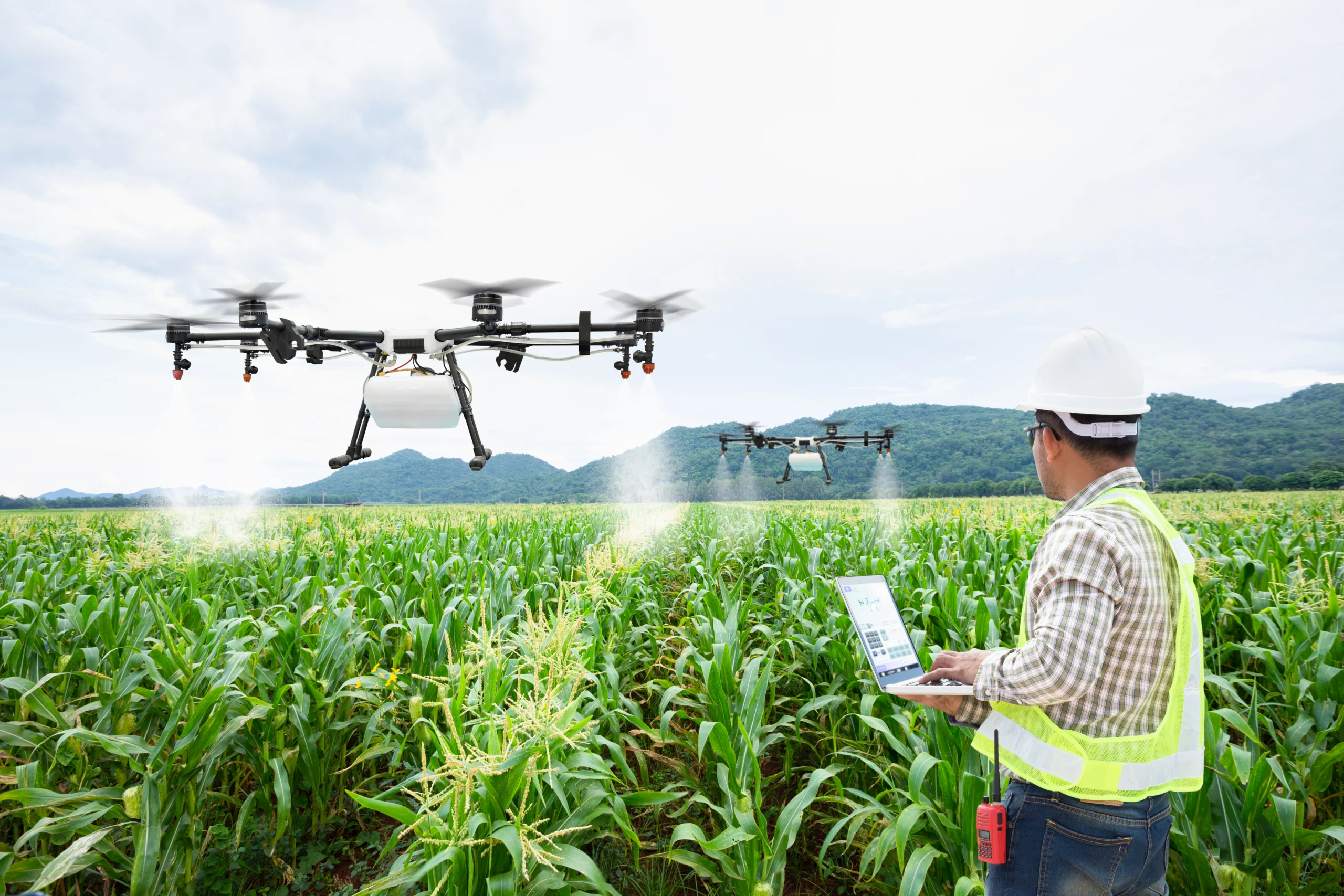
Spire Global, Inc. (NYSE: SPIR), a leading provider of satellite-powered data, analytics, and intelligence solutions, has announced a significant expansion of its agriculture intelligence platform with the integration of advanced soil moisture data and weather forecasting capabilities. This enhanced solution introduces a comprehensive “past-present-future” environmental intelligence framework designed to provide continuous insights into soil and atmospheric conditions. By combining more than four decades of historical environmental records with real-time satellite observations, site-specific forecasts extending up to 45 days, and AI-driven sub-seasonal predictions, Spire aims to transform how agricultural stakeholders manage risk and optimize productivity.
Agriculture is widely recognized as one of the most climate-sensitive industries in the world. Farmers, agribusinesses, insurers, and policymakers all rely heavily on accurate environmental data to make critical decisions. However, despite the increasing importance of climate intelligence, current systems for monitoring soil moisture and weather patterns remain fragmented. Many rely on localized sensors that provide limited spatial coverage, creating gaps in visibility—particularly in remote or underserved regions. As climate change intensifies the frequency and severity of droughts, floods, and irregular seasonal patterns, the need for scalable, reliable, and globally consistent environmental intelligence has become more urgent than ever.
Spire’s newly enhanced solution addresses these challenges by leveraging its proprietary satellite technology, including Global Navigation Satellite System (GNSS) radio occultation and reflectometry data. These advanced techniques allow the company to capture highly detailed measurements of atmospheric and surface conditions across the globe, delivering insights that are both precise and widely accessible. By removing dependence on ground-based sensor infrastructure, the platform offers a more scalable and cost-effective approach to agricultural monitoring.
One of the key features of the solution is its ability to provide plant water availability insights. Through near real-time global soil moisture observations, the system can detect anomalies and identify early signs of crop stress—often up to a week before visible damage appears in plant canopies. This early warning capability is critical for farmers and agronomists, as it enables proactive decision-making around irrigation and water management. Instead of reacting to visible signs of stress, users can intervene earlier, conserving resources while protecting crop health and yields.
In addition to real-time monitoring, the platform delivers predictive outlooks tailored to specific locations. These forecasts extend up to 45 days and include both soil moisture and weather projections. Such forward-looking insights allow agricultural stakeholders to plan irrigation schedules more effectively, optimize the timing of fertilizer and pesticide applications, and mitigate risks associated with adverse weather events. By aligning operational decisions with anticipated environmental conditions, users can improve efficiency and reduce input costs.
Spire Enhances Agricultural Intelligence with Integrated Soil Moisture Insights and Weather Forecasting Data

Another major advancement within the solution is its AI-driven seasonal guidance. Using high-resolution models and machine learning algorithms, the platform generates sub-seasonal forecasts that provide visibility into evolving weather and soil conditions up to six weeks in advance. This extended forecasting capability is particularly valuable for strategic planning, helping farmers determine optimal planting and harvesting windows. It also supports broader supply chain decisions, enabling agribusinesses to better anticipate production volumes and market fluctuations.
Beyond individual farm operations, Spire’s integrated intelligence platform is designed to support a wide range of stakeholders across the agricultural ecosystem. Delivered via an application programming interface (API), the solution can be seamlessly embedded into digital farming platforms, insurance models, and enterprise resource planning systems. This flexibility allows organizations to incorporate environmental intelligence directly into their workflows, enhancing decision-making without requiring additional hardware investments.
For insurers, the platform provides more accurate risk assessment tools by offering granular insights into weather patterns and soil conditions. This can lead to improved underwriting models and more responsive claims management. Agribusinesses can use the data to optimize supply chains, manage procurement strategies, and forecast production with greater confidence. Government agencies and policymakers, meanwhile, can leverage the insights to design more effective agricultural policies, monitor food security risks, and allocate resources more efficiently during climate-related disruptions.
A significant advantage of Spire’s approach is its ability to deliver consistent, global coverage. Traditional sensor-based systems often struggle to scale across large geographic areas, particularly in developing regions where infrastructure may be limited. By relying on satellite data, Spire ensures that users can access the same high-quality insights regardless of location. This democratization of environmental intelligence has the potential to level the playing field, enabling farmers and organizations worldwide to benefit from advanced data-driven tools.
The integration of historical, real-time, and predictive data into a single platform also represents a major step forward in agricultural analytics. By connecting past trends with current conditions and future projections, users gain a more holistic understanding of their operating environment. This comprehensive perspective is essential for navigating the increasing complexity of modern agriculture, where climate variability, resource constraints, and market pressures are constantly evolving.
According to Shawn Mechelke, General Manager of Weather, Climate, and Aviation at Spire, the expansion reflects the growing need for robust environmental intelligence in the face of climate volatility. He emphasized that much of the existing data infrastructure remains fragmented and heavily reliant on hardware, limiting its effectiveness. By integrating satellite-derived soil moisture insights with advanced forecasting technologies, Spire aims to provide timely, globally consistent information that supports smarter agronomic decisions.
Ultimately, the enhanced agriculture intelligence solution is designed to drive earlier intervention, improve resource efficiency, and strengthen resilience across global agricultural systems. As climate challenges continue to intensify, innovations like this will play a crucial role in helping the industry adapt and thrive. By harnessing the power of satellite data and artificial intelligence, Spire is positioning itself at the forefront of a new era in precision agriculture—one where data-driven insights enable more sustainable and productive farming practices worldwide.
Source Link:https://www.businesswire.com/