

Syngenta Unveils Cutting-Edge Agricultural Bioscience Research Hub Driven by AI and Advanced Technologies
Syngenta has unveiled plans for a major expansion of its research capabilities with the construction of a state-of-the-art Biological Sciences Technology and Research center (BioSTaR) at its long-established R&D campus in Jealott’s Hill Research Centre. The new facility, backed by an investment of approximately USD 130 million (GBP 100 million), represents a significant step forward in advancing agricultural bioscience, integrating cutting-edge artificial intelligence (AI), molecular research, and digital technologies to help shape the future of sustainable farming worldwide.
The BioSTaR center is designed to act as a hub for innovation, bringing together approximately 300 scientists who are already based at Jealott’s Hill into a single, purpose-built environment. By consolidating expertise across disciplines, Syngenta aims to accelerate both scientific discovery and the development of next-generation agricultural solutions. The facility is expected to be fully operational by 2028, reinforcing the United Kingdom’s position as a global leader in agricultural science and ensuring researchers have access to the most advanced infrastructure available.
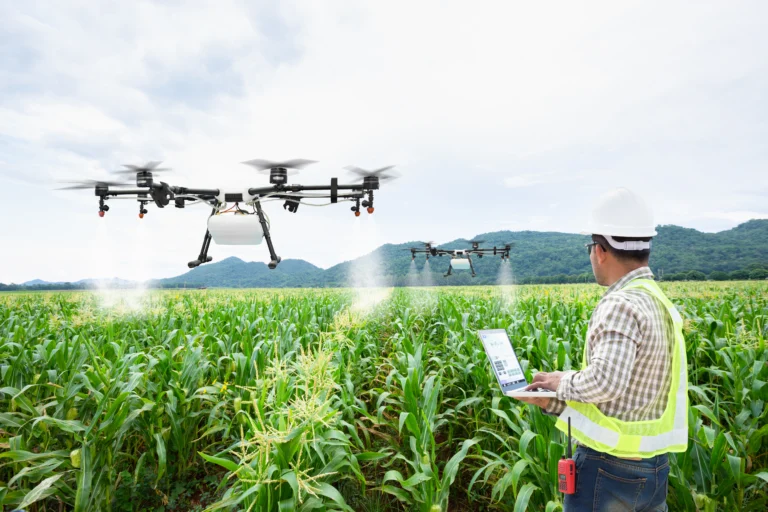
At the core of the BioSTaR initiative is a commitment to harnessing the power of AI and advanced analytics. By embedding digital tools into every stage of research and development, Syngenta intends to significantly shorten the time required to design, test, and deploy innovative crop protection and plant health solutions. AI-driven modeling, combined with real-world agricultural data, will enable scientists to predict outcomes more accurately, optimize formulations, and anticipate challenges such as pest resistance before they arise.
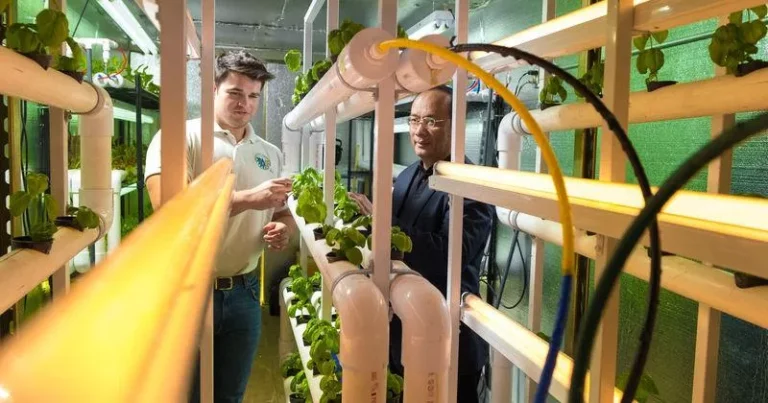
Modern agricultural bioscience is increasingly defined by the convergence of multiple scientific disciplines. Biology, chemistry, data science, and environmental science are no longer separate silos but interconnected fields working together to address complex challenges. The BioSTaR facility has been conceived with this interdisciplinary approach in mind, offering integrated laboratories and collaborative workspaces that allow scientists to explore new frontiers in crop protection, soil health, and plant resilience.
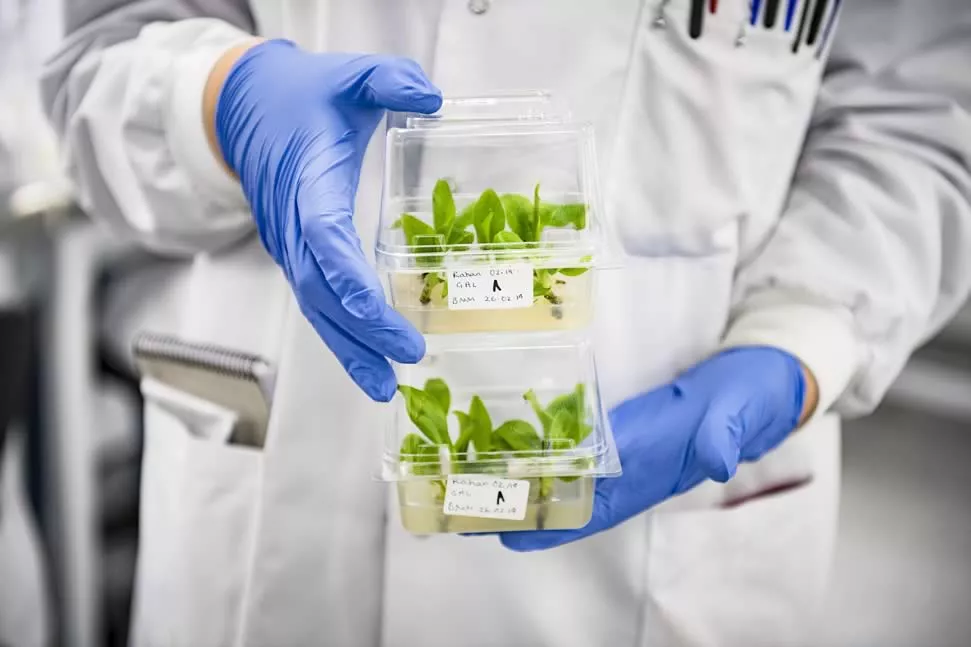
One of the major focus areas at BioSTaR will be decoding biological complexity. Researchers will investigate how plants, pests, pathogens, and soil ecosystems interact with one another and respond to environmental conditions. By understanding these intricate relationships, scientists can identify precise intervention points—whether through targeted pest control strategies, enhanced plant growth modeling, or the development of crops with improved natural resilience. This deeper insight is expected to unlock new possibilities for sustainable agriculture, particularly in the face of climate change and increasing global food demand.
Another key priority will be the design of new classes of crop protection technologies. Traditional chemical solutions are being complemented—and in some cases replaced—by innovative biological agents and novel chemical compounds with unique modes of action. These next-generation solutions aim to be both highly effective and environmentally responsible, ensuring that farmers can protect their crops while minimizing ecological impact. By leveraging AI and advanced screening techniques, BioSTaR scientists will be able to identify promising compounds more efficiently and refine them for optimal performance.
Ensuring that agricultural solutions are delivered effectively and degrade safely in the environment is also central to the BioSTaR mission. Researchers will study how compounds move through plant systems and soils, how they break down over time, and how these processes can be optimized. This work is essential for balancing performance with environmental stewardship, helping to create products that meet regulatory standards while supporting sustainable farming practices.
In addition to discovery and development, BioSTaR will play a crucial role in scaling up sustainable manufacturing processes. Advances in biological manufacturing are making it possible to produce complex chemical and biological agents at scale while maintaining cost efficiency. This is particularly important for ensuring that innovative solutions are accessible to farmers around the world, including those in emerging markets where affordability is a critical factor.
According to Camilla Corsi, Global Head of Crop Protection Research and Development at Syngenta, the investment reflects the company’s ambition to push the boundaries of agricultural science. She emphasized that Syngenta’s leadership in the sector is rooted in its commitment to cutting-edge infrastructure and a strong culture of scientific excellence. Collaboration, both internally and with external partners, remains a cornerstone of the company’s approach, enabling faster innovation and greater impact across global farming systems.
Mike Hollands, President of Syngenta UK, highlighted the historical significance of the Jealott’s Hill site, which has been at the forefront of agricultural innovation for nearly a century. He noted that the new BioSTaR facility represents the next chapter in the site’s evolution, building on a legacy of discoveries that have shaped modern agriculture. The investment underscores Syngenta’s long-term commitment to the UK as a center for scientific excellence and technological advancement.
The announcement has also been welcomed by government leaders, who see it as a strong endorsement of the UK’s agri-science sector. Lord Stockwood described the investment as a vote of confidence in the country’s capabilities, noting that it will support high-quality jobs and contribute to local economic growth. He emphasized the importance of digital and technological innovation in the UK’s industrial strategy and highlighted the role BioSTaR will play in developing sustainable agricultural solutions.
Similarly, Angela Eagle pointed to the alignment between Syngenta’s investment and the government’s efforts to promote agri-tech growth. She referenced ongoing public investments aimed at helping farmers adopt sustainable practices, improve productivity, and build resilience in the face of environmental challenges. The BioSTaR project is expected to complement these initiatives by delivering new tools and technologies that support sustainable food production.
Local leaders have also expressed enthusiasm for the development. Paul Bidwell, Cabinet member for Economy and Regeneration, noted that the new research center will enhance the region’s reputation as a thriving business and innovation hub. The presence of a world-leading bioscience facility is expected to attract further investment and talent to the area, creating a ripple effect that benefits the broader community.
Syngenta’s investment in BioSTaR is part of a broader global strategy to strengthen its research and development capabilities. The company already operates major research hubs in Switzerland, the United States, and China, and continues to invest heavily in innovation. Each year, Syngenta allocates more than USD 800 million to crop protection R&D, supporting a robust pipeline of technologies that includes over 10,000 patents across seeds and crop protection.
Among its notable innovations are advanced technologies such as TYMIRIUM®, PLINAZOLIN®, and X-Terra® hybrid wheat, along with a growing portfolio of biological and precision agriculture solutions. These innovations reflect Syngenta’s commitment to addressing the evolving needs of farmers, from improving yields to managing resistance and reducing environmental impact.
The Jealott’s Hill site itself plays a central role in this innovation ecosystem. As the largest agricultural technology research facility in the UK and Syngenta’s biggest crop protection R&D center globally, it is home to more than 800 scientists. Over the years, researchers at the site have developed groundbreaking solutions, including widely used crop protection products such as Amistar® and PLINAZOLIN® technology.
More recently, the site has been at the forefront of developing new solutions like VIRESTINA™ technology, which targets herbicide-resistant weeds. This innovation was created using Syngenta’s “Safer by Design” approach, which focuses on engineering products that deliver strong performance while minimizing environmental impact. This philosophy is expected to be a guiding principle at the new BioSTaR facility as well.
As agriculture faces mounting pressures from climate change, population growth, and resource constraints, investments like BioSTaR highlight the critical role of science and technology in ensuring food security. By integrating AI, advanced bioscience, and sustainable practices, Syngenta aims to equip farmers with the tools they need to produce more with less—enhancing productivity while protecting the planet.
Ultimately, the BioSTaR center represents more than just a new building; it is a strategic investment in the future of agriculture. By fostering collaboration, accelerating innovation, and advancing sustainable solutions, Syngenta is positioning itself—and the UK—at the forefront of global agricultural transformation.
Source Link:https://www.businesswire.com/