
Syngenta Unlocks the Genetic Potential of Wheat
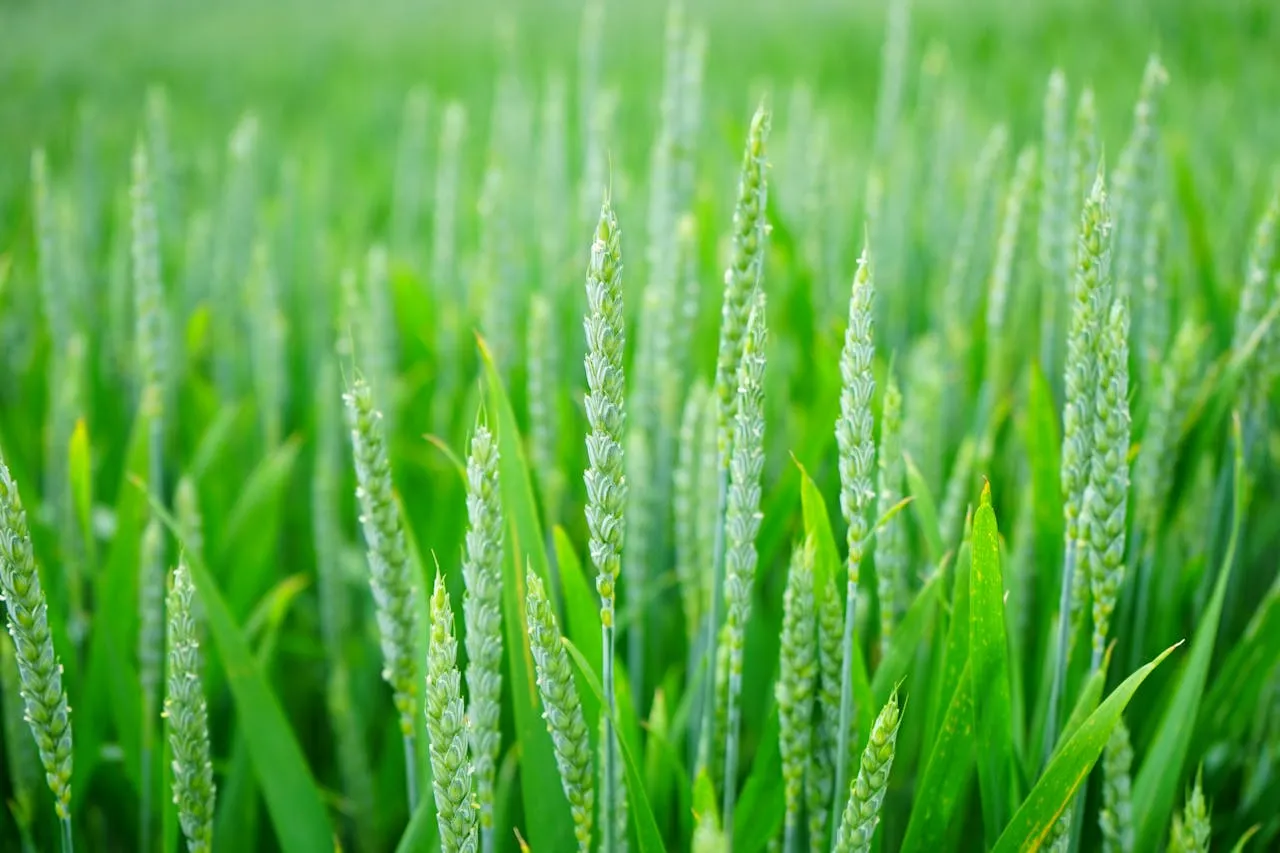
Wheat remains one of the most essential crops in the global food system, feeding billions of people and accounting for nearly 20% of the world’s calorie intake. Yet, despite its importance, wheat is also one of the most genetically complex staple crops on Earth. Its genome is nearly six times larger than that of the human genome, making it exceptionally challenging to sequence, study, and improve through traditional breeding methods.
For decades, scientists have worked to better understand wheat’s intricate genetic structure in order to unlock higher productivity, stronger resilience, and improved nutritional performance. Today, advances in genomic screening and precision breeding technologies are finally making that possible. At the forefront of this transformation is Syngenta, a global leader in agricultural innovation, which has spent more than 15 years developing scalable hybrid wheat solutions.
A Breakthrough More Than 15 Years in the Making
Hybrid technology has already revolutionized crops such as corn and barley, but wheat has long presented unique scientific hurdles. The crop’s complex genetic makeup made it difficult to isolate and combine desirable traits efficiently. However, by leveraging cutting-edge genomic tools, Syngenta has been able to screen entire wheat genomes and identify specific genes responsible for critical agronomic traits.
These traits include yield stability, plant viability, enhanced nutritional quality, and improved tolerance to environmental stress factors such as drought, heat, and disease pressure. By pinpointing these genes and refining the breeding process, Syngenta has successfully developed a commercially scalable hybrid wheat system under its X-Terra® platform.
This achievement represents a significant milestone in crop science. Unlocking hybrid potential in wheat required not only technological advancements but also years of research, field trials, and refinement to ensure consistent performance across different geographies and growing conditions.
X-Terra® Hybrid Wheat Approved in France
In a major development, Syngenta’s X-Terra® hybrid wheat has received official registration approval for use in France. This regulatory milestone marks the beginning of a broader European rollout, with plans to expand into key wheat-producing markets including the United Kingdom, France, and Germany.
The first commercial varieties under the X-Terra® system — SY Sphynx and SY Xanthis — will be available for the 2026 sowing season in France. These products represent the first wave of hybrid wheat offerings designed to deliver enhanced performance and consistency compared to conventional wheat varieties.
According to Onur Camili, Head of Syngenta’s Seeds Field Crops Business in Europe, bringing a scalable hybrid wheat system to market demonstrates the company’s long-term commitment to delivering breakthrough technologies that address farmers’ evolving needs. He emphasized that X-Terra® hybrid wheat offers superior performance and consistency, positioning it to outpace traditional wheat varieties.
Addressing Climate Challenges with Hybrid Innovation
Climate change is increasingly impacting agricultural production worldwide. Wheat farmers across Europe and other temperate regions face growing climatic variability, including unpredictable rainfall patterns, prolonged droughts, heat stress, and more frequent extreme weather events.
X-Terra® hybrid wheat has been specifically developed to help farmers manage these pressures. By combining superior genetics with hybrid vigor, the platform improves yield stability and strengthens resilience against environmental stress. This means farmers can expect more consistent harvests even in challenging seasons.
In addition to boosting resilience, hybrid wheat contributes to improved agronomic performance overall. Stronger root systems, enhanced nutrient uptake, and better stress tolerance translate into optimized input use and more efficient production systems. This is particularly important as growers strive to balance productivity with sustainability goals and regulatory requirements across the European Union.
Supporting Sustainable and Efficient Wheat Production
Sustainability is becoming a central pillar of modern agriculture. Farmers are under increasing pressure to reduce environmental impact while maintaining high productivity. X-Terra® hybrid wheat supports this transition by helping optimize the use of key inputs such as fertilizers and crop protection products.
Hybrid vigor enables plants to make better use of available nutrients, potentially reducing waste and improving nitrogen use efficiency. More stable yields also reduce the risk of crop failure, contributing to food security and economic resilience for farmers.
By integrating improved genetics with optimized crop management strategies, Syngenta aims to help growers produce more wheat with fewer resources — an essential goal as global food demand continues to rise.
A Holistic Crop System Approach
Syngenta’s innovation goes beyond genetics alone. To maximize the benefits of hybrid wheat, the company is implementing a comprehensive Crop System approach. This strategy evaluates field-level conditions, weed and disease pressures, soil characteristics, and biological opportunities to ensure that hybrid varieties perform at their full potential.
Rather than focusing solely on seed technology, the Crop System model integrates digital tools, biological solutions, and agronomic expertise. By assessing each farm’s unique challenges, growers can tailor management practices to optimize plant health and yield outcomes.
This holistic approach ensures that hybrid wheat’s superior genetics are supported by the right agronomic conditions, enabling farmers to achieve the best possible results in both yield and grain quality.
Combating Septoria with Integrated Solutions
One of the key advantages of X-Terra® hybrid wheat lies in its enhanced resistance to septoria, a fungal disease that significantly impacts wheat harvests across Europe. Septoria is widely regarded as one of the most serious and persistent threats to wheat production in temperate regions.
By strengthening the plant’s natural resistance to this disease, hybrid varieties can reduce reliance on intensive fungicide applications. This not only lowers input costs but also supports more sustainable farming practices.
Farmers can further enhance disease management by using digital monitoring tools such as Syngenta’s Cropwise® platform. Cropwise® provides early alerts on disease pressure, enabling growers to take timely action and make more informed decisions. In some cases, biological solutions may replace early-stage fungicide treatments, contributing to more environmentally responsible crop protection strategies.
Building on Hybrid Cereal Expertise
X-Terra® hybrid wheat builds upon Syngenta’s established experience in hybrid cereals. The company’s Hyvido® hybrid barley system has already demonstrated the value of hybrid vigor in improving nitrogen use efficiency, enhancing viral protection, and delivering high, stable yields across diverse regions and growing seasons.
Lessons learned from hybrid barley development have informed the wheat program, accelerating innovation while ensuring practical scalability for farmers. By leveraging its long-standing expertise, Syngenta has positioned X-Terra® as a next-generation solution tailored to the specific needs of European wheat producers.
Transforming the Future of Wheat Production
The introduction of X-Terra® hybrid wheat marks a pivotal moment for the global wheat industry. After more than a decade of intensive research and development, scalable hybrid wheat is becoming a commercial reality.
As the first varieties reach French farmers for the 2026 sowing season, broader adoption across Europe is expected to follow. By combining advanced genomics, hybrid vigor, digital agriculture tools, and integrated crop systems, Syngenta is helping redefine what is possible in wheat production.
In a world facing mounting climate pressures, population growth, and food security challenges, innovations like X-Terra® hybrid wheat could play a vital role in ensuring that one of the world’s most important staple crops continues to meet global demand — sustainably, efficiently, and resiliently.
SOURCE LINK: https://www.businesswire.com/