
Halter, the agricultural technology innovator behind a groundbreaking operating system for modern ranching and dairy farming, announced a major milestone today: its U.S. customers have collectively created more than 11,000 miles of virtual fencing using the company’s smart collars for cattle. To put that achievement in perspective, the distance is roughly equivalent to the entire perimeter of the continental United States, underscoring how quickly virtual fencing has moved from a novel concept to a widely adopted management tool across American ranchlands.
This rapid expansion carries not only operational advantages but also major financial implications. Building, installing, and maintaining traditional wire fencing can cost ranchers an average of $20,000 per mile—a significant and ongoing expense for operations of any size. By shifting to virtual fencing, Halter estimates its U.S. customers have collectively avoided approximately $220 million in fencing costs, freeing up capital for other critical investments and easing financial pressure in a sector where margins are often narrow.
A New Model for Livestock Management
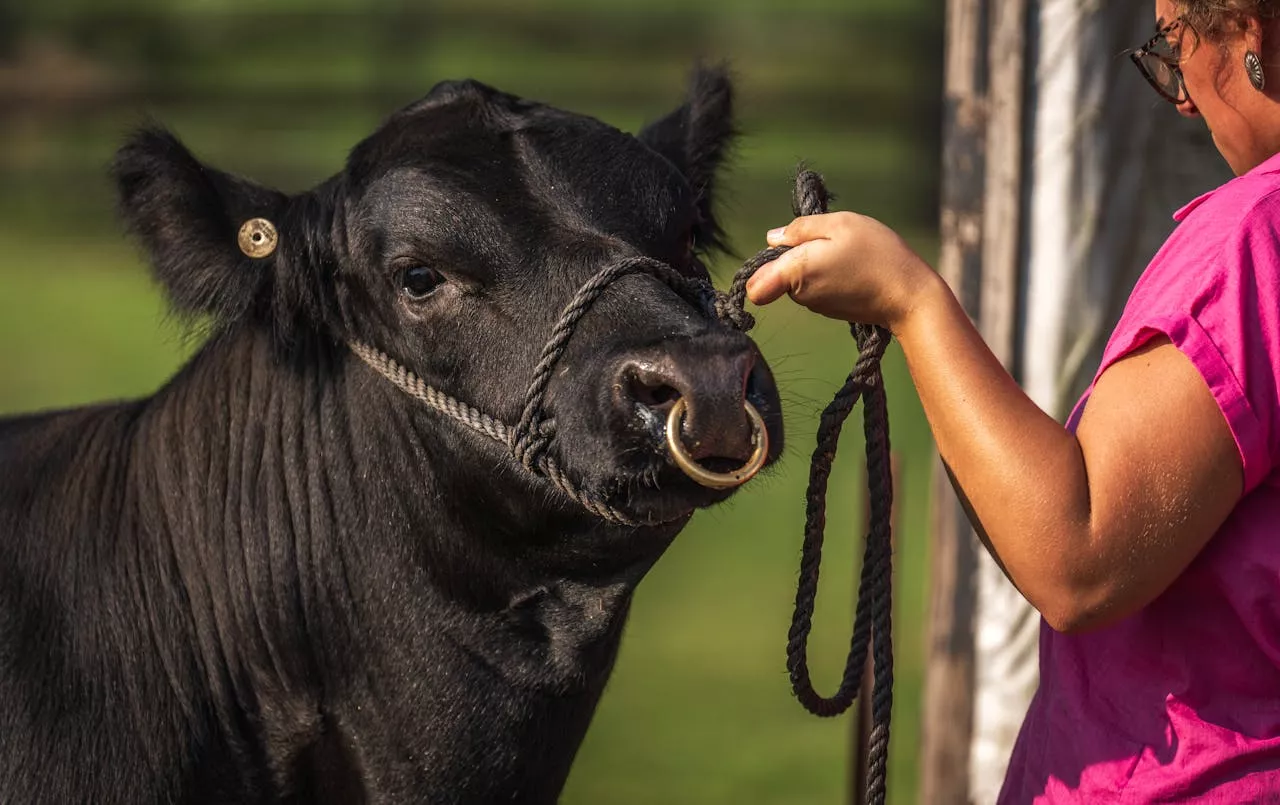
Halter’s virtual fencing technology centers around GPS-enabled, solar-powered smart collars that allow ranchers to create, shift, and reconfigure pasture boundaries remotely using a smartphone or tablet. Instead of relying on physical posts and wire, ranchers can draw or adjust boundaries digitally, enabling real-time changes to grazing zones with a level of speed and precision conventional fencing simply cannot offer.
The collars guide and train cattle using gentle sound and vibration cues, helping animals learn the intended boundaries without the stress associated with electrified alternatives. Alongside fencing functions, each unit also captures valuable data about herd movement and behavior, giving producers continuous insight into grazing patterns, animal health indicators, and pasture utilization.
This convergence of fencing, behavioral guidance, and data monitoring positions Halter as what many in the industry describe as the first true operating system for livestock farming, allowing ranchers to manage their herds with greater efficiency, sustainability, and confidence.
Rapid Nationwide Growth
Although Halter introduced its technology to the U.S. market only a little over a year ago, adoption has grown at a remarkable pace. The company now serves more than 200 ranchers across 22 states, stretching from large western operations in California and Nevada to family ranches across the Great Plains, the Mountain West, and the Upper Midwest.
Craig Piggott, Founder and CEO of Halter, has recently spent more time in Colorado, reflecting the strategic importance of the U.S. market to the company’s long-term vision. He noted that virtual fencing is not only transforming day-to-day operations but also reshaping how ranchers think about their time and labor.
“Ranchers are driving one of the most important technology shifts in agriculture,” Piggott said. “Virtual fencing is giving them more control, flexibility, and time. We’ve built Halter for producers, with producers, and I’m excited to be here in the U.S. as we enter a new phase of expansion.”
For many ranching families, time is one of their scarcest resources. Traditional fencing repairs, herd rotations, and field checks can take hours or even full days—especially on remote or rugged terrain. By reducing those tasks significantly, Halter’s technology lets producers reinvest that time into strategic management, off-ranch work, or simply being with family.
Backed by Strong Investment and Growing Industry Confidence
Halter’s U.S. expansion follows a major funding milestone earlier in the year: a $100 million Series D round that brought the company’s valuation to $1 billion, signaling strong investor confidence in both the technology and the future of digitally enabled livestock systems. The company now employs over 50 team members across North America, with Colorado serving as the base for its growing U.S. headquarters.
As Halter scales, it has expanded its technical support, field operations, and customer service networks to ensure producers across diverse geographic and climatic regions receive ongoing assistance. The company’s model emphasizes working closely with ranchers on training, onboarding, and optimization—ensuring the shift from traditional to virtual fencing is both smooth and effective.
A Movement Rooted in Stewardship and Community
For Halter, the technology’s impact extends beyond cost savings and operational improvements. The company sees virtual fencing as a way to strengthen land stewardship, regenerative grazing practices, and the long-term sustainability of livestock production.
“Our ranchers are proving what’s possible when technology and land stewardship go hand in hand,” said Justin Wells, Halter’s USA Country Manager. “We’re seeing lighter workloads, higher productivity, and more time for things that matter most, like family. With a growing community of ranchers and industry partners, we’re building a genuine movement from the back pastures and kitchen tables.”
Producers using Halter are finding new grazing patterns that support biodiversity, improve pasture rotation, and reduce pressure on sensitive areas—practices that historically required significant fencing investments or labor-intensive management. With digital fencing, ranchers can adjust grazing plans in minutes, experiment with new techniques, and respond quickly to changes in weather or forage conditions.
Source Link:https://www.businesswire.com/