
Wilmar’s 1H2026 Core Net Profit Rises 10% to US$641.5 Million
Wilmar International Limited (“Wilmar” or “the Group”), one of Asia’s leading agribusiness groups, delivered stronger financial results for the first half of 2026, supported by improved performances across its Feed & Industrial Products and Food Products businesses. For the six months ended June 30, 2026, the Group reported a 13% increase in pre-tax profit to US$1.06 billion, compared with US$937.7 million in the corresponding period of 2025.
Core net profit rose 10% to US$641.5 million from US$583.7 million a year earlier, reflecting stronger underlying operating performance despite continued volatility in global commodity markets and geopolitical uncertainty.
Net profit attributable to the period increased by 2% to US$608.9 million, compared with US$594.9 million in 1H2025. The increase in reported net profit was more modest than the rise in core earnings because the Group recorded a non-operating loss during the period.
Revenue also expanded significantly during the first six months of 2026. Overall revenue increased 17% to US$38.56 billion, compared with US$32.89 billion in 1H2025. The increase was primarily driven by the consolidation of AWL Agri Business Limited (“AWL”), whose results have been included in Wilmar’s financial statements since December 2025. Higher selling prices for most products also supported revenue growth during the period.
Food Products Segment Delivers Strong Growth
Wilmar’s Food Products segment, which includes Consumer Products, Medium Pack and Bulk businesses, recorded a substantial improvement during 1H2026. Pre-tax profit increased 56% to US$304.6 million from US$195.7 million in the previous-year period.
The segment benefited from the consolidation of AWL’s results, as well as a gain recognised from the disposal of joint ventures in China during the first quarter of 2026. Wilmar’s existing businesses also performed positively, with higher sales volumes across most major operations.
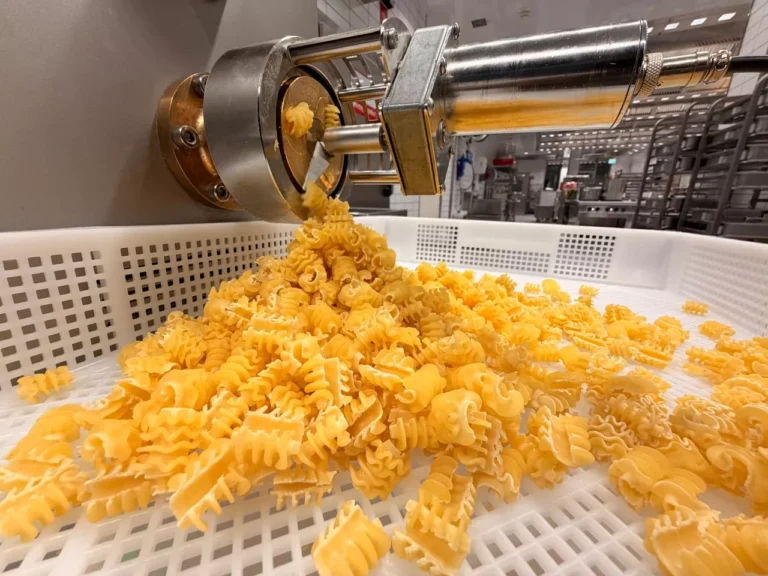
Total Food Products volume increased 19% to 19.4 million metric tonnes (MT), compared with 16.3 million MT in 1H2025. The increase was largely attributable to AWL’s contribution and continued volume growth in Wilmar’s existing oil and flour businesses.
Excluding AWL’s contribution, the segment’s overall volume would have increased 2% to 16.6 million MT, while revenue would have risen 8% to US$15.54 billion. This indicates that Wilmar’s established Food Products operations continued to show healthy underlying momentum during the period.
Feed & Industrial Products Drives Profit Growth
The Feed & Industrial Products segment, covering Tropical Oils, Oilseeds & Grains and Sugar, delivered one of the strongest performances in the Group.
Pre-tax profit surged 55% to US$591.0 million in 1H2026, compared with US$381.6 million in 1H2025. The improvement was supported by stronger performance across most businesses within the segment.
Wilmar’s tropical oils operations benefited from improved sales volumes and refining margins. At the same time, stronger demand for animal feed in China supported increased soybean crushing activities. This helped the Oilseeds & Grains business achieve a 6% increase in sales volume to 14.9 million MT from 14.0 million MT a year earlier.
The Sugar merchandising business also contributed positively to the segment’s earnings, despite experiencing a decline in sales volumes. Overall, the performance highlights the benefit of Wilmar’s diversified and integrated business model, which enables the Group to capture opportunities across different parts of the agricultural commodity value chain.
Plantation & Sugar Milling Faces Headwinds
The Plantation & Sugar Milling segment experienced weaker conditions during the first half of 2026. Pre-tax profit declined 32% to US$137.7 million from US$202.0 million in 1H2025.
The decline was primarily attributed to weaker contributions from the sugar milling business. Lower sugar prices affected profitability, while the Group also recognised a US$24.7 million impairment loss on sugar milling assets in India during the period.
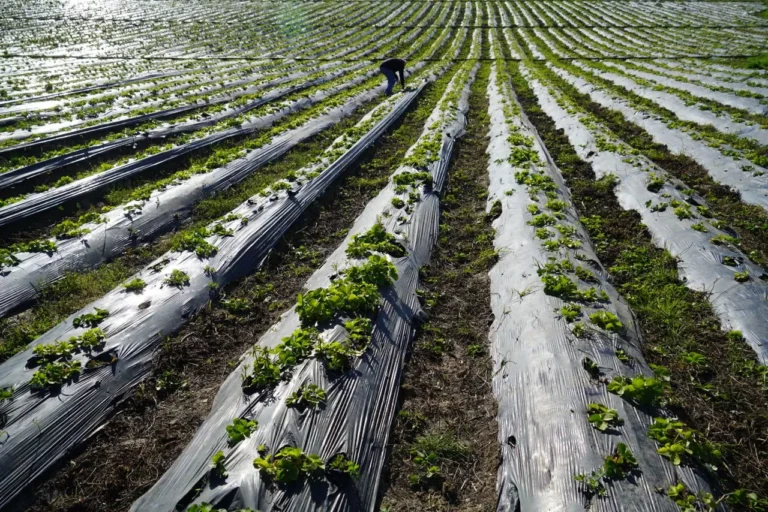
Wilmar’s palm plantation operations were also affected by lower fresh fruit bunch production. Production declined 6% to 1,916,697 MT from 2,042,802 MT in the same period of 2025. The decrease was mainly caused by lower crop production in Indonesia.
These challenges demonstrate the continued exposure of plantation and sugar businesses to weather conditions, crop cycles and commodity price movements.
Higher Loss in Others Segment
Wilmar’s Others segment reported a higher loss before tax of US$60.0 million in 1H2026, compared with a loss of US$16.8 million in 1H2025.
The increased loss was mainly due to higher mark-to-market losses on the Group’s investment securities during the period. Meanwhile, the contribution from Joint Ventures & Associates also declined.
Wilmar’s share of results from joint ventures and associates fell to US$113.5 million from US$196.5 million. One factor was the absence of AWL’s contribution after the company became a Wilmar subsidiary in December 2025. The Group also experienced weaker contributions from investments in Europe and Southeast Asia.
Interim Dividend Increased
Reflecting the Group’s improved earnings performance and financial position, Wilmar’s Board approved a higher interim tax-exempt, one-tier dividend of S$0.05 per share for 1H2026.
This compares with an interim dividend of S$0.04 per share for 1H2025. The 1H2026 interim dividend is scheduled to be paid on September 2, 2026.
The higher dividend provides shareholders with an increased return while demonstrating the Group’s continued commitment to shareholder value.
Balance Sheet Remains Resilient
Wilmar maintained a solid financial position despite higher working capital requirements associated with elevated commodity prices.
Net loans and borrowings increased by US$707.6 million to US$20.67 billion as of June 30, 2026. As a result, the Group’s net gearing ratio increased slightly to 0.93 times from 0.91 times at the end of 2025.
However, adjusted net gearing, which excludes working capital requirements, remained broadly stable at 0.33 times compared with 0.34 times at the end of FY2025.
The Group generated US$521.9 million in cash from operating activities during the first half. Capital expenditure, including advances paid, increased to US$678.8 million from US$533.8 million a year earlier, reflecting continued investment across the business.
Wilmar also spent US$95.4 million on the acquisition of subsidiaries, joint ventures and associates, compared with US$20.0 million in 1H2025. Dividend distributions amounted to US$534.2 million.
After taking these factors and the increase in net debt into account, the Group recorded a cash outflow of US$16.9 million for the period. As of June 30, 2026, Wilmar’s total assets stood at US$66.93 billion, while shareholders’ funds amounted to US$22.20 billion.
Outlook Remains Cautiously Positive
Wilmar Chairman and CEO Mr. Kuok Khoon Hong said the Group delivered improved results despite geopolitical uncertainties and increased volatility across commodity markets.
He noted that ongoing geopolitical developments, including the Iran conflict, have contributed to uncertainty in the operating environment. Nevertheless, Wilmar expects its integrated business model, diversified operations and broad geographic presence to provide resilience.
The Group plans to remain focused on operational efficiency, prudent capital management and cash-flow generation while continuing to pursue sustainable growth and long-term value creation.
Wilmar’s diversified portfolio across food products, tropical oils, oilseeds and grains, sugar, plantations and other agribusiness activities provides a broad earnings base. This diversification could help the company manage fluctuations in individual commodity markets while maintaining its long-term growth strategy.
Looking ahead, management expects market conditions to remain uncertain, particularly as geopolitical developments continue to affect commodity prices and global trade. However, based on current expectations and barring unforeseen circumstances, Wilmar anticipates that its full-year 2026 results will be satisfactory.
Overall, Wilmar’s first-half performance demonstrates stronger underlying profitability, healthy volume growth in key businesses and continued financial resilience. The higher interim dividend, combined with improved core earnings, further underscores the Group’s confidence in its operational performance and long-term business strategy.
Source Link:https://www.wilmar-international.com/