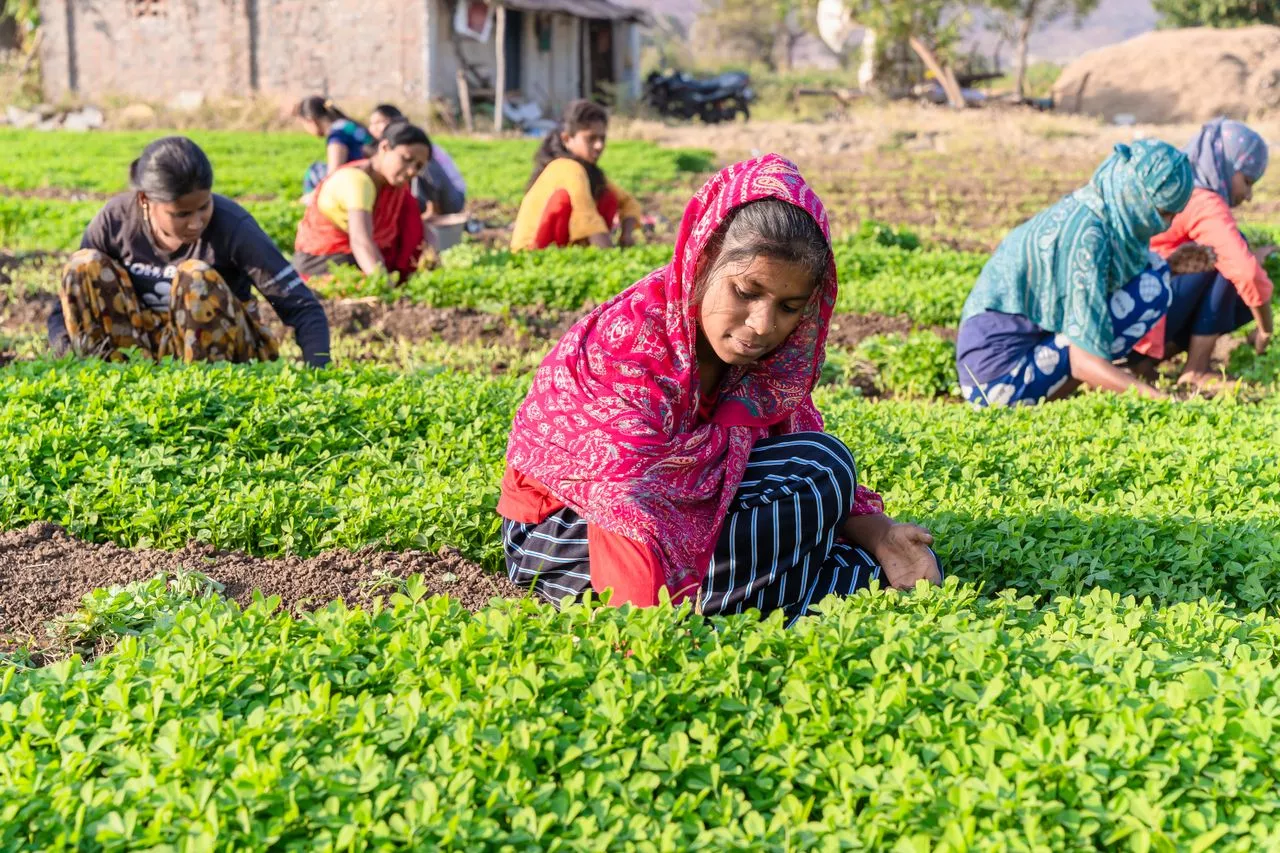
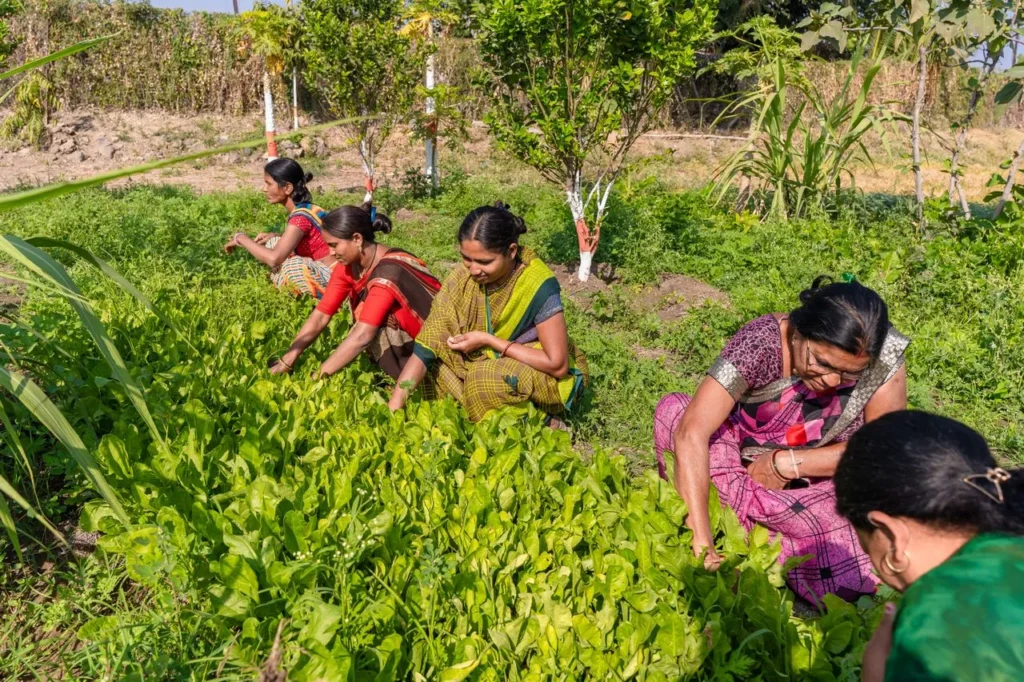
Farmers from the Rural Improvement Club (RIC) Davao City Federation Inc. are set to gain a new avenue for selling their fresh produce as Grab Philippines, the RIC Davao City Federation, and the Davao City Government join forces to strengthen digital market access for women-led farming communities.
The partnership will introduce RIC Daily Fresh, a dedicated digital storefront on GrabMart that will allow consumers across Davao City to purchase locally grown agricultural products through on-demand grocery delivery. The initiative will also establish an offline retail presence for the participating farmers at Agdao Public Market, creating a physical hub that complements their emerging digital operations.
The collaboration brings together the private sector, local government, and a community-based women’s organization with a shared objective: helping small-scale farmers overcome traditional barriers to market access and build more sustainable sources of income.
RIC Davao City Federation Inc. is a women-led organization engaged in farming, livelihood development, and community-based crafts. Through the new initiative, participating members will have opportunities to promote their harvests to a broader customer base while gaining greater insight into consumer demand and purchasing behavior.
The RIC Daily Fresh storefront is expected to give households a convenient way to access fresh, locally produced goods while allowing farmers to establish a stronger connection with consumers. Instead of relying exclusively on traditional selling channels, farmers will be able to explore a digital marketplace that can provide greater visibility and potentially expand their customer base.
For small farming communities, limited market exposure and fragmented distribution networks can make it difficult to sell produce efficiently. Farmers may also have limited access to consumer information, digital marketing tools, and modern retail channels. The partnership aims to address these challenges by combining market access with practical digital skills development.
A key component of the program is Grab Asenso: Digital Diskarte, Grab’s technology and artificial intelligence enablement initiative for micro, small, and medium-sized enterprises. Through the program, women agri-entrepreneurs from RIC will receive training designed to help them operate more effectively in a digital commerce environment.
The training will cover areas such as product presentation, digital marketing, order management, customer engagement, and online marketplace operations. The learning session for RIC farmers is being co-facilitated by the International Trade Centre, a joint agency of the United Nations and the World Trade Organization.
The training is intended to complement existing farm-to-market systems rather than replace them. By strengthening farmers’ digital capabilities, the partners hope to help participants respond more effectively to changing consumer habits and the growing role of online commerce in food purchasing.
Grab Philippines Vice President for Cities RJ Cabaluna said digitalization should not require small businesses to develop every capability independently. He emphasized that opening established digital platforms to farming communities can help reduce the costs and complexity associated with reaching new customers.
According to Cabaluna, the pilot partnership with RIC and the Davao City local government demonstrates how technology, government institutions, and community organizations can cooperate to create more inclusive economic opportunities. By providing farmers with access to an existing digital marketplace, the initiative can help shorten the distance between local producers and consumers.
For RIC, the initiative is also about empowering women to take a stronger role in developing community-based enterprises.
Josie S. Osorio, President of RIC Davao City Federation Inc., said the organization views progress not only in terms of sales but also in the confidence, knowledge, and decision-making abilities that women can develop through entrepreneurship. She described RIC Daily Fresh as an opportunity for members to work collectively, understand customers more effectively, and build an enterprise capable of creating long-term value for their families and communities.
Davao City Mayor Sebastian Z. Duterte highlighted the importance of developing new approaches to agricultural marketing. He said opportunities for farmers should extend beyond maintaining production and supply, emphasizing the need to connect agricultural producers with modern consumer markets.
The mayor noted that GrabMart can provide farmers and merchants with a digital storefront through which they can sell fresh produce, generate income, establish stronger links with consumers, increase market visibility, and improve their competitiveness.
The city government also expressed appreciation for the partnership between RIC and Grab Philippines, noting that the project can help local farmers broaden their knowledge and become more familiar with innovative marketing methods.
Davao City Councilor Al Ryan Alejandre, Chairperson of the Committee on Cooperative Development and People’s Participation, said the government’s role is to make it easier for community enterprises such as RIC to participate in new markets.
He emphasized that the city will continue supporting RIC members as they strengthen their federation, navigate local business processes, and expand their presence in the marketplace. The forthcoming RIC space at Agdao Public Market is expected to serve as an important physical base, while GrabMart will provide a complementary digital channel for reaching consumers throughout the city.
Connecting these physical and digital opportunities could help local agri-entrepreneurs build stronger and more sustainable enterprises. It also gives farmers the flexibility to serve customers through multiple channels rather than depending on a single distribution model.
The Davao City Agriculturist’s Office, meanwhile, will provide technical and institutional assistance to ensure that the project aligns with the city’s broader agricultural development programs.
Dr. Antonio R. Obsioma, Acting Department Head of the Davao City Agriculturist’s Office, said a resilient agricultural system must account for the complete journey of farm products, from production through marketing and final consumption.
He explained that stronger market access and better information can help farmers anticipate consumer demand, make more informed production decisions, and minimize the possibility of produce going unsold. The pilot therefore provides the city with another mechanism for developing a more responsive and efficient local food system.
The partnership reflects a broader shift toward integrating digital tools into agricultural value chains. For smallholder farmers and community-based enterprises, access to technology can provide opportunities to improve visibility, communicate with customers, organize orders, and respond more quickly to market trends.
For women farmers in particular, digital commerce can offer an additional pathway to entrepreneurship and economic participation. Combining training with actual access to a digital marketplace may allow RIC members to apply new skills directly to their businesses and gradually build confidence in online selling.
The initiative also demonstrates the potential of a whole-of-community approach to agricultural development. Rather than relying on farmers or government agencies alone, the partnership brings together a private technology platform, a women-led farming federation, local government offices, and international development expertise.
As RIC Daily Fresh prepares to launch on GrabMart, the project is positioned as a pilot for expanding market opportunities for local agricultural producers. Its success could provide useful lessons for other farming communities seeking to combine traditional farm-to-market systems with digital commerce.
By linking locally grown produce with consumers through both Agdao Public Market and GrabMart, the partnership aims to create a more connected local food ecosystem—one in which farmers can gain greater market visibility, consumers can access fresh products more conveniently, and women-led agricultural enterprises can develop the skills and opportunities needed to grow.
Ultimately, the collaboration reflects a shared effort to make Davao City’s agricultural economy more inclusive, digitally connected, and competitive while helping local farmers move beyond production and take a more active role in the marketplace.
Source Link:https://www.grab.com/