

Sweetgreen Launches “Faces of the Farm” Spotlight Featuring Texas Farmer’s Journey to Build an Organic Farm Against the Odds
Eight years ago, Courtney Schuster Moore did not envision a future in agriculture. With a professional background in aerospace, her career trajectory seemed firmly rooted in a different industry altogether. Yet today, she stands at the forefront of one of the largest organic vegetable farming operations in Texas, leading a transformation that has reshaped both her family’s farm and the possibilities of organic agriculture in one of the most challenging growing regions in the United States.
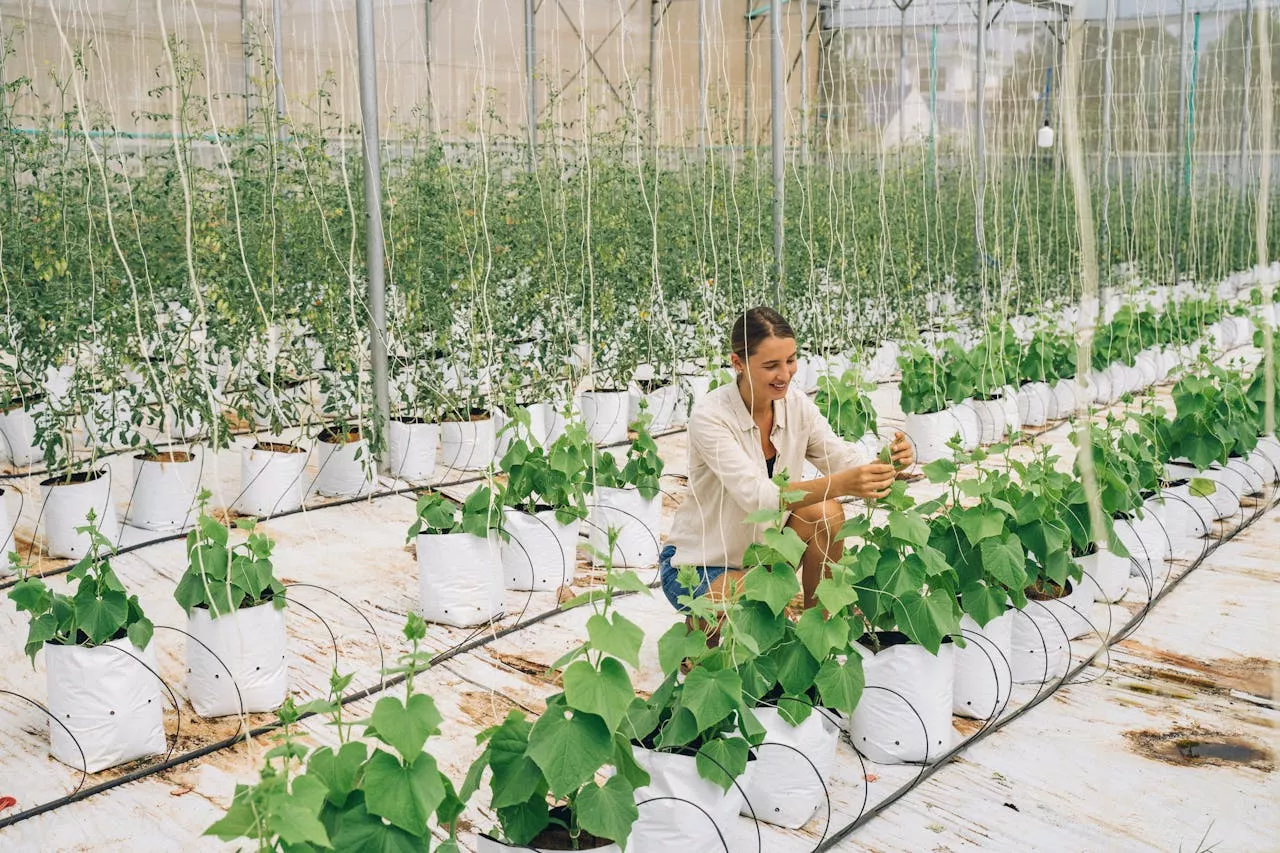
Her journey is now being highlighted by Sweetgreen through the latest installment of its original content series, Faces of the Farm. The series, designed to bring consumers closer to the origins of their food, shines a spotlight on Moore’s work at Rio Fresh, a family-run farm in South Texas where she built an organic farming program from the ground up.
Moore’s return to her family’s agricultural roots marked a pivotal turning point. After years in aerospace, she rejoined the family business at a time when the farm was primarily focused on conventional production. The shift toward organic farming was not part of a long-term strategic plan but rather emerged from an unexpected opportunity. During a period of supply constraints—specifically a kale shortage—Sweetgreen reached out in search of new organic suppliers. That moment prompted Moore to consider a bold and unconventional path: transitioning to organic production in South Texas.
The decision was far from straightforward. South Texas presents some of the most difficult conditions for organic farming in the country. Unlike more temperate regions, the area experiences relentless pest pressure year-round, with no true winter season to naturally disrupt pest cycles. These conditions have historically made organic farming both risky and, in many cases, unsuccessful.
Despite these challenges, Moore embraced the opportunity, approaching it as both an experiment and a long-term commitment. The early days of the transition were defined by trial and error, as she and her team worked to understand how organic practices could be adapted to such a demanding environment. This required not only a willingness to learn quickly but also a readiness to innovate.
Over time, Moore implemented a range of creative solutions to overcome the region’s limitations. These included leveraging emerging agricultural technologies, refining crop management strategies, and even altering traditional farming schedules. In some cases, the team resorted to transplanting crops at night under powerful stadium lights, a measure designed to protect young plants from the extreme daytime heat and improve survival rates.
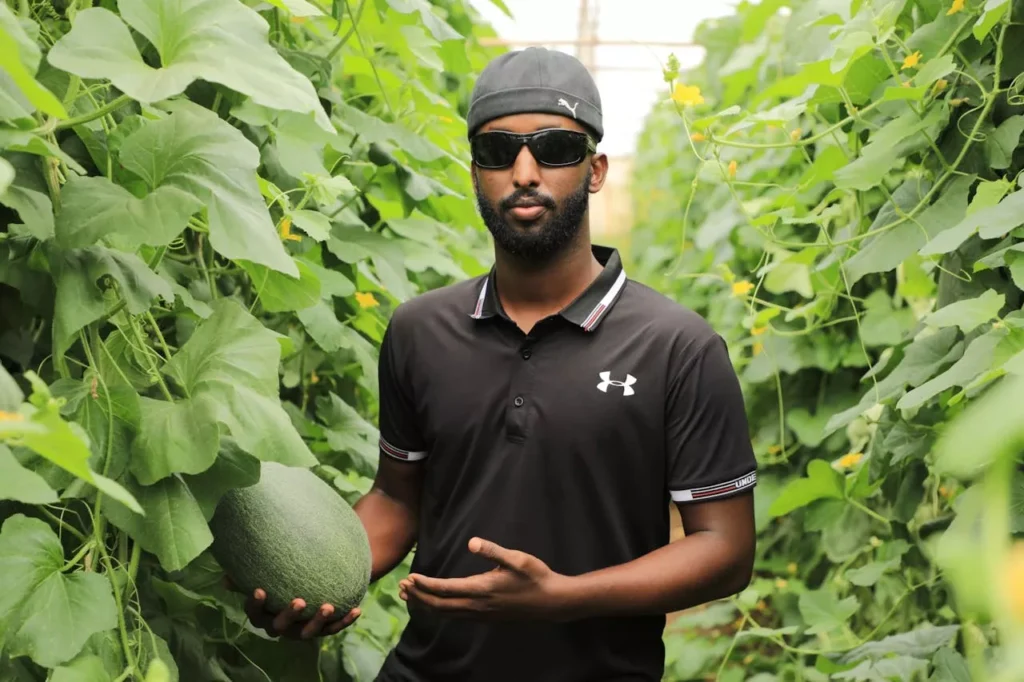
This hands-on, adaptive approach gradually began to yield results. What started as a relatively small organic operation expanded steadily, supported in large part by a long-term partnership with Sweetgreen. The collaboration provided both a reliable market and the confidence needed to scale production. Over the years, Rio Fresh’s organic acreage grew from approximately 50 acres to more than 850 acres, representing a significant milestone not only for the farm but also for organic agriculture in the region.
Today, Rio Fresh produces 15 different organic crops and has supplied more than 5.7 million pounds of organic kale to Sweetgreen alone. Its distribution network has also expanded considerably, with produce now reaching customers across 20 U.S. states as well as Canada. This growth underscores the potential for organic farming to succeed even in environments traditionally considered inhospitable—provided there is sufficient innovation, persistence, and partnership.
Moore’s leadership is particularly notable within the broader agricultural landscape of South Texas, where women remain underrepresented, especially in large-scale farming operations and organic production. As one of the few female farmers operating at this level in the region, her work challenges longstanding norms and highlights the evolving face of modern agriculture.
Beyond the operational achievements, Moore’s philosophy toward farming plays a central role in her success. She often describes her approach as one rooted in attentiveness and responsiveness—“reading needs and responding,” as she puts it. This mindset applies not only to crop management but also to her personal life, where she balances the demands of running a growing agricultural enterprise with raising three children.
For Moore, farming and parenting share common principles: patience, adaptability, and a deep sense of responsibility. She likens her stewardship of the land to a form of “mothering,” emphasizing care, observation, and a commitment to nurturing growth under varying conditions. This perspective has helped shape a resilient and sustainable farming model capable of withstanding both environmental and market challenges.
Reflecting on her journey, Moore acknowledges the risks and uncertainties that defined the early years of the organic program. However, she also emphasizes the importance of having strong partners who believed in the vision. The collaboration with Sweetgreen, in particular, provided critical support during the farm’s transition and growth phases.
Her story is a testament to the impact that strategic partnerships can have in advancing agricultural innovation. By aligning with growers committed to sustainable practices, companies like Sweetgreen play a key role in enabling farmers to take calculated risks and invest in long-term improvements.
The Faces of the Farm series itself is an extension of Sweetgreen’s broader mission to deepen the connection between consumers and the sources of their food. Through storytelling and behind-the-scenes content, the company aims to highlight the individuals and processes that make its menu possible, offering a more transparent and humanized view of the food system.
According to Nicolas Jammet, co-founder and Chief Concept Officer of Sweetgreen, Moore’s journey exemplifies the power of this connection. Her story demonstrates how shared values—such as a commitment to quality, sustainability, and innovation—can drive meaningful change at the farm level.
Built on decades of family farming experience, Rio Fresh has evolved into a large-scale operation that balances tradition with forward-thinking practices. Its organic program, once a bold experiment, is now a central pillar of the farm’s identity and future growth.
Sweetgreen’s visit to Rio Fresh to document Moore’s work provides audiences with an intimate look at the realities of modern farming. Through digital platforms and original content, viewers can gain insight into the challenges, ingenuity, and dedication required to produce high-quality organic food in one of the toughest agricultural regions in the country.
Ultimately, Moore’s story is one of transformation—of a career, a farm, and an approach to agriculture. It highlights how determination, innovation, and collaboration can turn even the most unlikely circumstances into opportunities for growth, proving that with the right mindset and support, it is possible to cultivate success in even the hardest places.
Source Link:https://www.businesswire.com/