

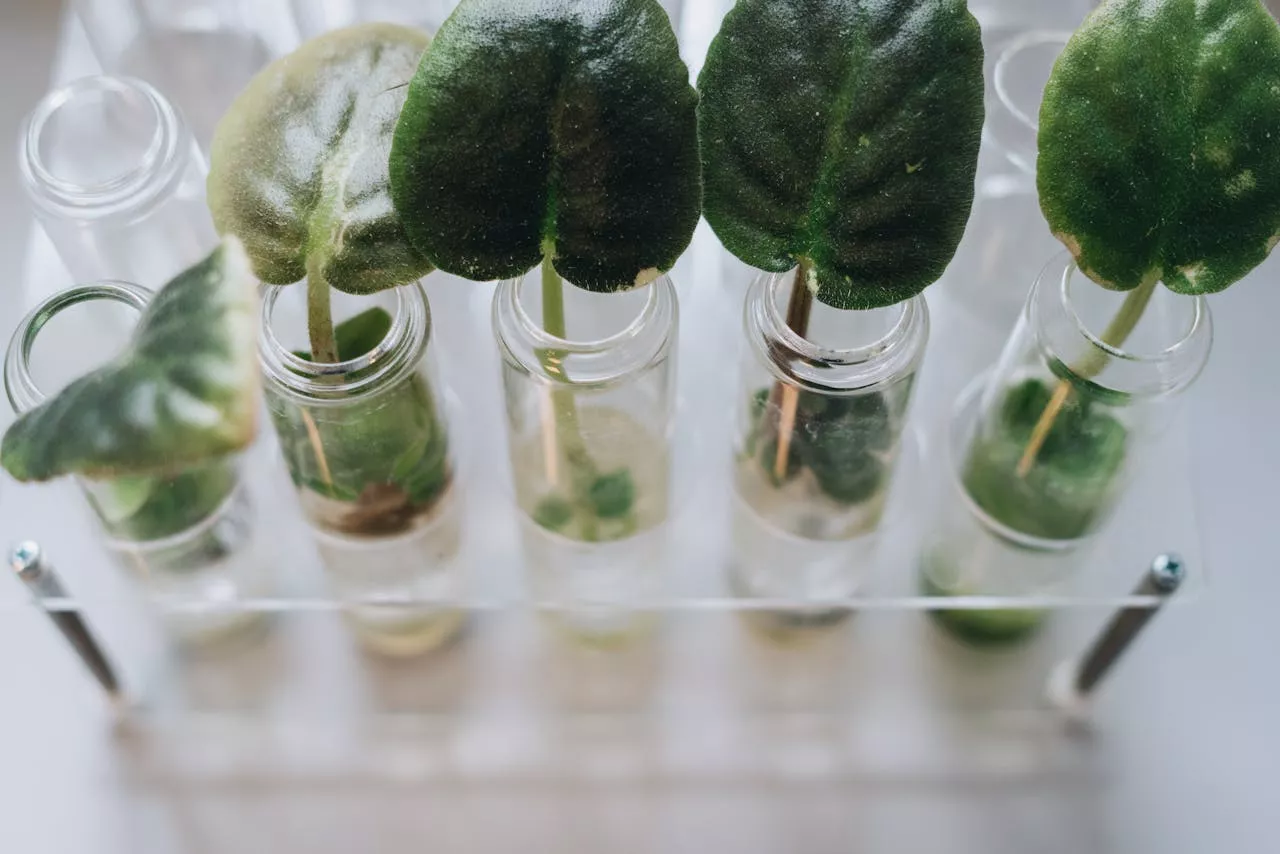
Foray Bioscience Unveils Pando, an AI-Powered R&D Platform for Plant Biology
Foray Bioscience, a plant production company focused on developing plant products and “seeds” from cellular systems, has officially launched Pando, a new intelligent workspace and operating system designed to modernize plant culture research and production. The platform combines artificial intelligence, structured biological data, laboratory workflow management and research tools into a unified environment aimed at accelerating innovation in plant science.
Pando has been developed to address one of the most significant challenges in plant biotechnology and in vitro culture research: fragmented and inaccessible scientific knowledge. By integrating the world’s largest structured in vitro plant knowledge base with AI-native capabilities, the platform allows researchers and organizations to search, manage, organize, generate and share plant culture information from a single digital workspace.
The platform is already being used in both academic and commercial settings, where it is helping plant scientists streamline experimentation, improve laboratory coordination and reduce the time needed to develop successful plant culture protocols. According to Foray, Pando is designed not only to support current research activities but also to create a continuously expanding system of biological intelligence that improves over time as more data is generated and analyzed.
Plants play a foundational role across global industries, supporting food systems, pharmaceuticals, biomaterials, environmental restoration and natural ecosystems. Collectively, plant-related industries account for a substantial share of the world economy. Despite their importance, the tools and infrastructure supporting plant research and development have remained largely outdated and disconnected.
A major issue facing plant scientists is that critical research data is often scattered across multiple sources, including academic journals, spreadsheets, PDFs, laboratory notebooks and institutional memory retained by individual researchers. This fragmentation makes it difficult to search, standardize and operationalize plant knowledge efficiently. The challenge is amplified by the sheer scale of plant diversity. Scientists estimate that there are more than 350,000 species of land plants globally, yet only a small fraction — approximately 2% — have been extensively studied using in vitro methods.
As a result, organizations attempting to grow plants from the cellular level frequently face long development cycles, high research costs and significant failure rates. Developing a successful in vitro workflow can require balancing dozens of interacting biological and environmental variables, forcing many researchers to begin experiments from scratch with limited predictive guidance.
Ashley Beckwith, founder and chief executive officer of Foray Bioscience, said the future of plant production will depend on the ability to transform fragmented plant knowledge into predictive and scalable intelligence systems.
“Translation of new plant products and crop varieties from the laboratory to the market depends heavily on successful in vitro workflows,” Beckwith said. “Today, more than 70% of these projects fail because of the extreme complexity of protocol design. A single production process may depend on more than 34 different variables, creating an almost impossible experimental landscape to fully explore manually.”
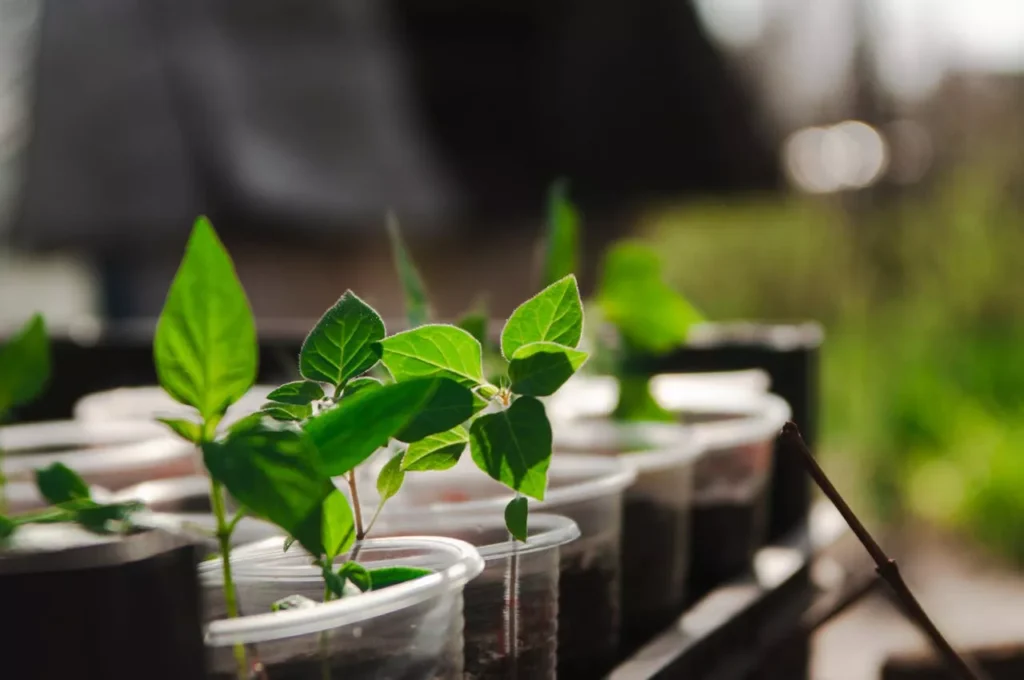
Beckwith explained that Pando was created to help organizations move beyond trial-and-error experimentation by enabling plant knowledge to become cumulative, searchable and predictive.
“The future of plant production requires turning plant knowledge into predictive models that improve success rates and continue learning over time,” Beckwith added. “Pando provides the infrastructure and data systems necessary to make plant knowledge translatable and compounding, ensuring that innovation no longer has to begin from zero.”
Pando supports organizations operating across multiple sectors of plant science, including plant propagation, crop improvement, bioengineering, conservation, biomanufacturing and advanced biological research. Users of the platform are leveraging its capabilities to reduce the time spent designing experiments, improve collaboration across teams and preserve valuable institutional knowledge that might otherwise be lost through staff turnover or disconnected record-keeping systems.
According to Foray, organizations using Pando have been able to achieve successful in vitro protocols more than three times faster compared to traditional research workflows. The company also noted that the platform can help train and support junior laboratory personnel by providing structured guidance, standardized workflows and AI-assisted recommendations.
One of the platform’s central features is access to what Foray describes as the world’s largest in vitro plant knowledge base. Researchers can rapidly compare media formulations, identify trends across plant species and surface insights that may not be immediately apparent through manual literature reviews.
Pando also includes tools for building and sharing protocols, media formulations and biological product workflows using embedded data standards. These standardized systems are intended to improve reproducibility and facilitate collaboration between institutions and research teams.
The platform further incorporates an AI-powered plant expert designed to provide project support tailored to local conditions and biological requirements. Users can also manage biological collections, assign tasks across teams and design statistically sound experiments within the workspace.
Foray said additional predictive capabilities are currently in development. Future versions of Pando are expected to allow scientists to predict and score the likely performance of plant culture protocols before experiments are conducted in the laboratory, potentially reducing both time and resource consumption.
Beyond software development, Foray Bioscience is also actively engaged in biomanufacturing and plant product development. The company uses Pando internally to support the creation of bioproducts such as fabricated seeds and other advanced plant-based technologies.
The company has recently entered into commercial partnerships aimed at accelerating agricultural innovation and strengthening domestic crop production. These collaborations include work with Z’s Nutty Ridge to support the expansion of U.S.-grown hazelnut supply chains, as well as a partnership with West Coast Chestnut focused on accelerating the commercialization of new chestnut plant varieties.
Pando is now available through a self-service signup model with three subscription tiers designed for different user groups and organizational needs.
The Core plan is available free of charge and provides access to foundational tools intended to support and accelerate plant culture workflows. The Plus plan, priced at $99 per month, includes expanded knowledge resources, AI-assisted experimentation tools and additional research insights suited for individuals and small teams. The Pro plan, available for $249 per month, offers collaborative infrastructure for larger teams, enabling organizations to capture institutional knowledge, coordinate workflows and build predictive capabilities over time.
With the launch of Pando, Foray Bioscience aims to establish a new digital foundation for plant science research by combining artificial intelligence, biological data infrastructure and laboratory operations into a single integrated platform. As plant biotechnology continues to expand across agriculture, sustainability and industrial production, platforms like Pando may play an increasingly important role in reducing research complexity and accelerating the path from laboratory discovery to commercial application.
Source Link:https://www.businesswire.com/