The San Diego County Vintners Association (SDCVA) has released its highly anticipated State of the San Diego Wine Industry 2026 report, offering an in-depth look at the performance, challenges, and future outlook of the region’s wine sector. The report paints a picture of an industry that continues to adapt and evolve despite mounting economic pressures and broader slowdowns affecting wine markets across the United States.
According to the findings, San Diego County’s wine industry showed notable resilience throughout 2025, maintaining a stable winery base, improving workforce confidence, and delivering one of the strongest harvests in recent years. While wineries nationwide grappled with declining wine consumption, rising production costs, and shifting consumer behavior, San Diego vintners continued to focus on quality, hospitality, and strategic innovation.
The report emphasizes that although wine sales softened in some areas, the county’s wineries have remained committed to creating distinctive wine experiences that attract both local consumers and tourists. Industry leaders say the region’s combination of craftsmanship, approachable pricing, and direct-to-consumer engagement continues to differentiate San Diego from larger and more saturated California wine markets.
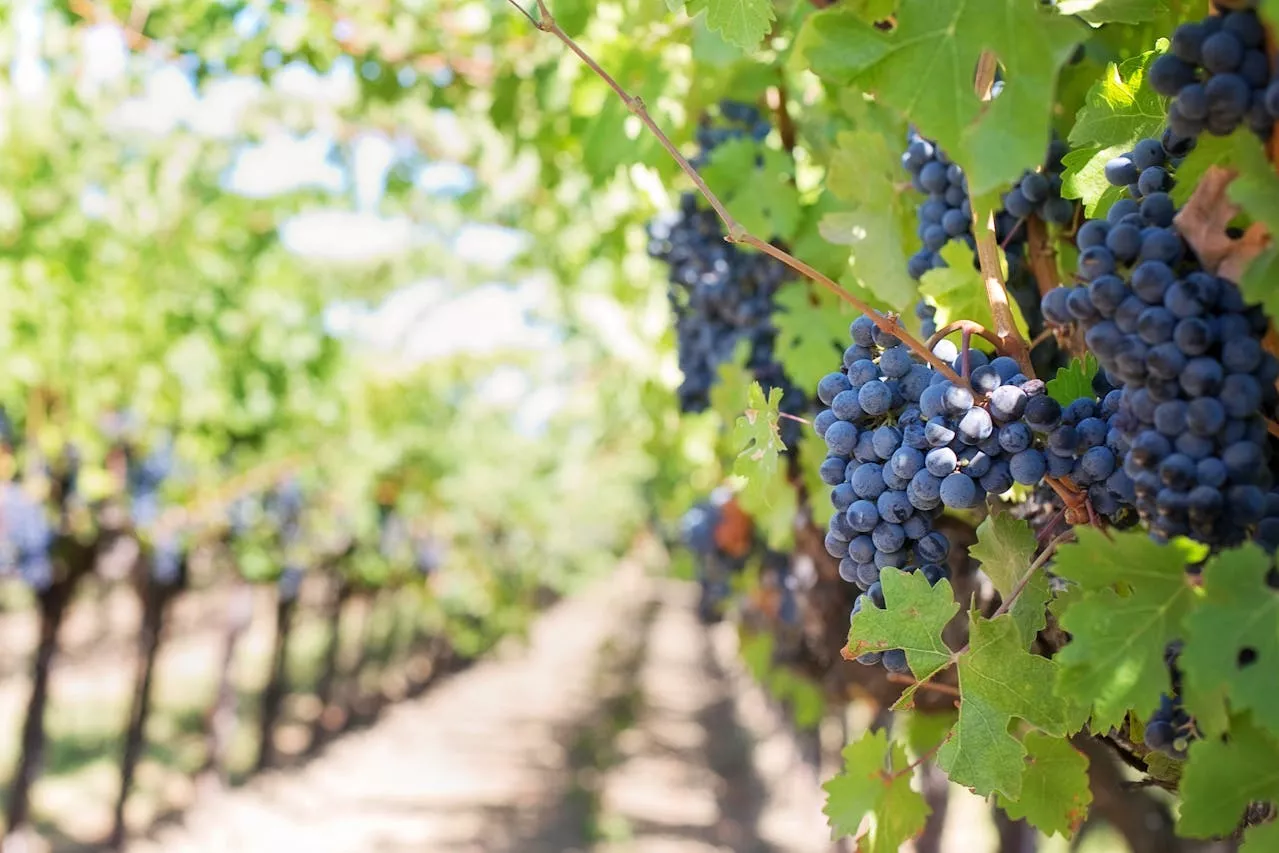
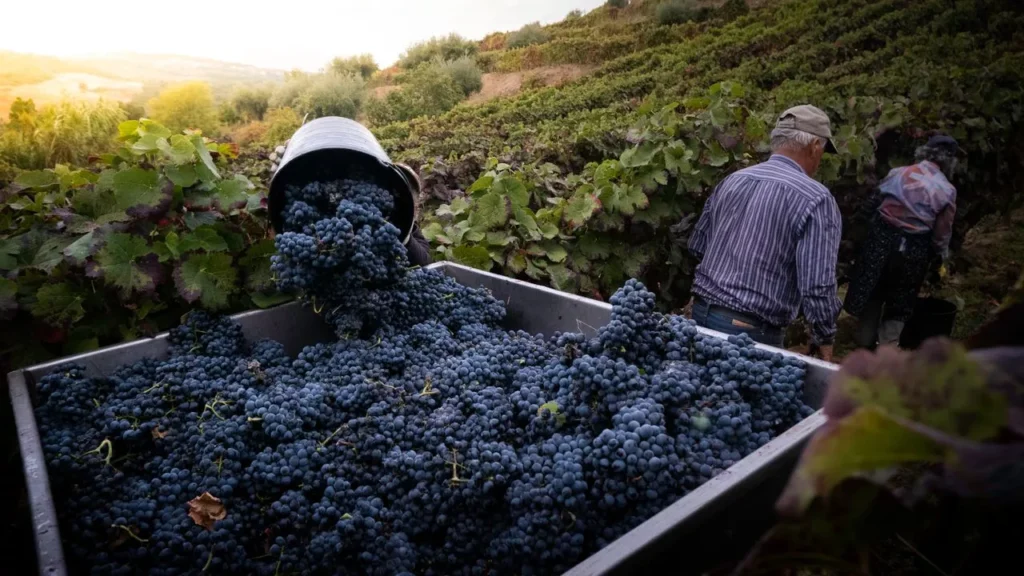
A major highlight of the report was the exceptional quality of the 2025 grape harvest. Nearly two-thirds of participating wineries described growing conditions as either “good” or “excellent,” signaling strong potential for upcoming vintages. Favorable weather patterns and careful vineyard management contributed to healthy grape development across the county’s wine-growing regions.
San Diego County continues to cultivate an impressive range of wine grape varieties, further demonstrating the diversity of the region’s viticulture. The report identified 43 wine grape varieties currently grown throughout the county. Among the most widely planted were Cabernet Sauvignon, Malbec, Merlot, and Sangiovese, each appearing in approximately 62% to 65% of winery operations surveyed.
Industry analysts believe the region’s Mediterranean climate and varied microclimates allow winemakers to experiment with both traditional and emerging grape varieties. This flexibility has enabled San Diego wineries to produce wines that appeal to a broad range of consumers while building a reputation for innovation and quality.
The report also revealed encouraging signs in workforce development. After years of labor uncertainty following the pandemic and economic disruptions, hiring momentum appears to be returning to the region’s wineries. Approximately 24% of wineries surveyed indicated plans to expand staffing in 2026, particularly in hospitality, tasting room operations, and direct-to-consumer sales positions.
Local wage growth within the wine industry also showed modest improvement. Unlike more established wine regions such as Napa and Sonoma, where wage growth has slowed or declined after pandemic-era increases, San Diego wineries reported steady upward movement in compensation. Industry observers suggest this trend reflects growing competition for skilled hospitality workers as wineries invest more heavily in customer experiences and tourism-driven operations.
Despite the positive developments, the report acknowledges that wineries continue to face financial pressures. Rising costs associated with labor, packaging, utilities, transportation, and compliance have made profitability increasingly difficult to maintain. While demand for local wines has remained relatively stable, many wineries are being forced to work harder simply to preserve margins.
Survey responses highlighted mixed sales performance across the region. About 41% of wineries reported that sales remained “about the same” during the past year, suggesting stabilization after periods of volatility. However, another combined 41% indicated declines in revenue, underscoring the uneven nature of recovery within the industry.
SDCVA Board President Al Fischer said the region’s wineries continue to demonstrate adaptability and discipline during a period of broader market uncertainty.
“San Diego wineries prove that great winemaking and real hospitality are what keep a wine region healthy,” Fischer said. “The broader market is going through some changes right now, but our region just keeps adapting with discipline and creativity.”
One area where San Diego continues to stand out is affordability and accessibility for consumers. The report noted that median wine tasting fees across the county remained steady at $20, significantly below the national average of approximately $38. Industry leaders believe this pricing advantage helps maintain a welcoming environment for both casual wine drinkers and wine tourism visitors.
The county’s wine industry also maintained stability in terms of business activity and long-term confidence. Active and planned winery operations held steady at 172 establishments, indicating that despite market pressures, vintners continue to believe in the long-term viability of the region.
Many wineries are now prioritizing strategic investments aimed at strengthening future growth. The report identified increasing focus on digital marketing, e-commerce, customer retention programs, and workforce development initiatives. Direct-to-consumer sales channels remain especially important, allowing wineries to build stronger customer relationships while reducing reliance on traditional retail distribution.
Local government leaders praised the industry’s contribution to tourism, agriculture, and rural economic development. Jim Desmond described the wine sector as a key economic driver for the county’s rural communities.
“San Diego County’s wine industry is an economic engine for our rural communities and a powerful draw for tourism,” Desmond said. “This report validates that despite headwinds facing the broader industry, our local wine producers continue to distinguish themselves through craftsmanship, innovation, and hospitality that sets them apart.”
Federal lawmakers also highlighted the importance of supporting small businesses within the region’s agricultural economy. Scott Peters emphasized the role wineries play in job creation and regional tourism.
“Behind every wine bottle from San Diego is a small business creating jobs, supporting agriculture, and welcoming visitors from across California and beyond,” Peters said. “I’m encouraged to see this region’s wineries growing wages and expanding teams even as the national market tightens. It’s a testament to what California’s entrepreneurs do best.”
Overall, the State of the San Diego Wine Industry 2026 report suggests that while challenges remain, San Diego County’s wine sector is positioning itself for long-term sustainability through innovation, quality production, workforce investment, and consumer-focused hospitality. As national wine markets continue to evolve, the region’s wineries appear determined to adapt while preserving the distinct identity that has helped San Diego emerge as one of California’s most dynamic wine destinations.
Source Link:https://www.businesswire.com/