Circularity Fuels has announced a major milestone in the sustainable energy and aviation sectors, successfully completing what it describes as the world’s first end-to-end conversion of raw agricultural biogas into sustainable aviation fuel (SAF). The achievement demonstrates a promising new pathway for producing low-cost, carbon-negative jet fuel from agricultural waste while addressing both energy security and greenhouse gas emissions.
The company completed a six-month pilot project using biogas sourced directly from a dairy farm in California. During the trial, Circularity Fuels produced drop-in sustainable aviation fuel that meets ASTM D7566 Annex A1 specifications, the internationally recognized standard for Fischer-Tropsch synthetic aviation fuel. The accomplishment validates the company’s integrated technology platform and provides a foundation for commercial-scale deployment in the coming years.
The aviation industry faces increasing pressure to reduce carbon emissions while maintaining reliable fuel supplies. Global geopolitical tensions have contributed to volatility in crude oil markets, resulting in fluctuating fuel costs that affect airlines and travelers alike. At the same time, governments, regulators, and industry stakeholders are pushing for cleaner alternatives to conventional fossil-based jet fuel.
Although sustainable aviation fuel has emerged as a leading solution for reducing aviation emissions, current production remains extremely limited. Industry estimates indicate that global SAF output accounts for less than one percent of total aviation fuel demand. Existing SAF production largely relies on used cooking oil and other waste fats, feedstocks that face supply constraints and are often imported from overseas markets.
Alternative technologies, such as synthetic e-fuels produced from renewable electricity, have attracted significant attention. However, these approaches often require large amounts of power and substantial capital investments, making them difficult to scale economically in many regions.
Circularity Fuels believes agricultural biogas offers a more practical and cost-effective solution. Because biogas generated from agricultural waste is frequently underutilized or released into the atmosphere, it represents a low-cost feedstock with significant environmental benefits. According to the company, the global supply of waste biogas is large enough to potentially support the entire aviation industry’s fuel requirements.
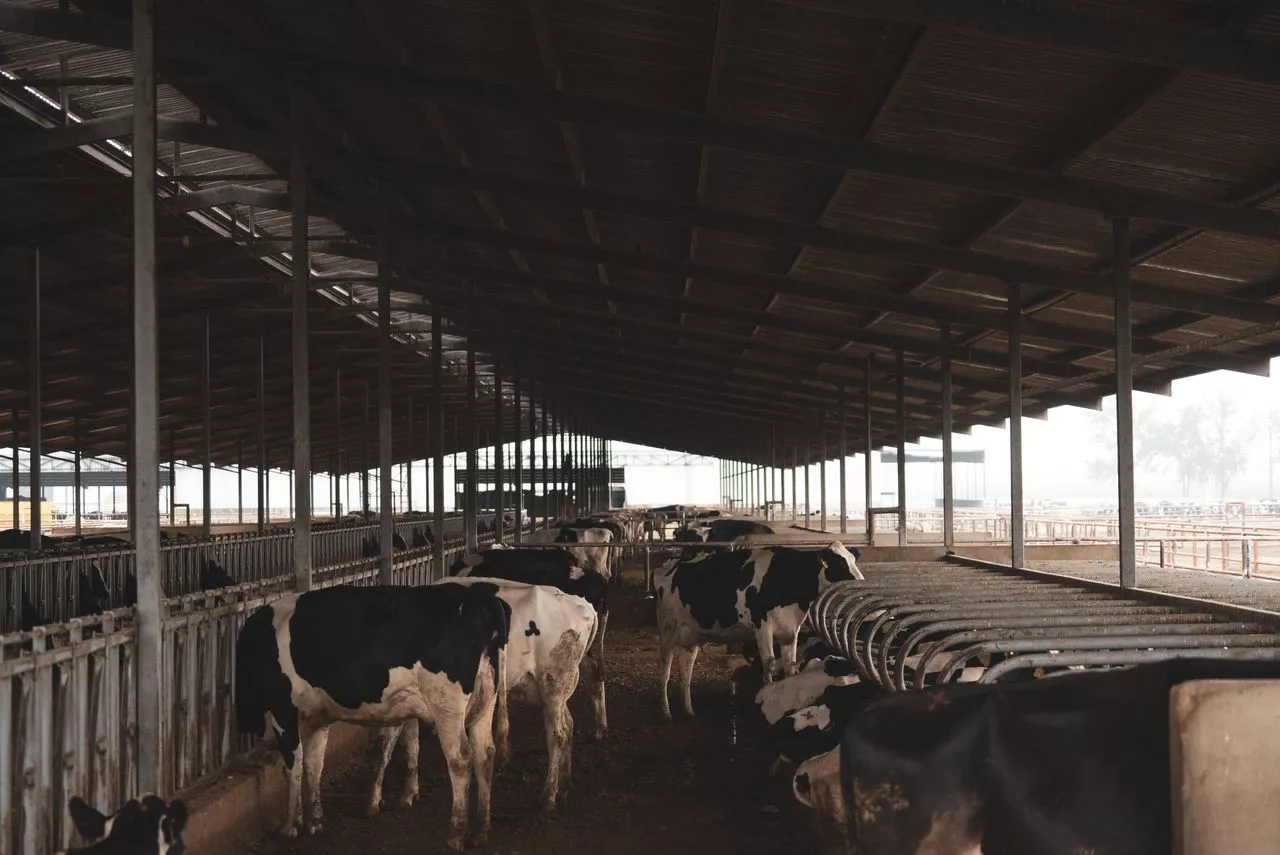
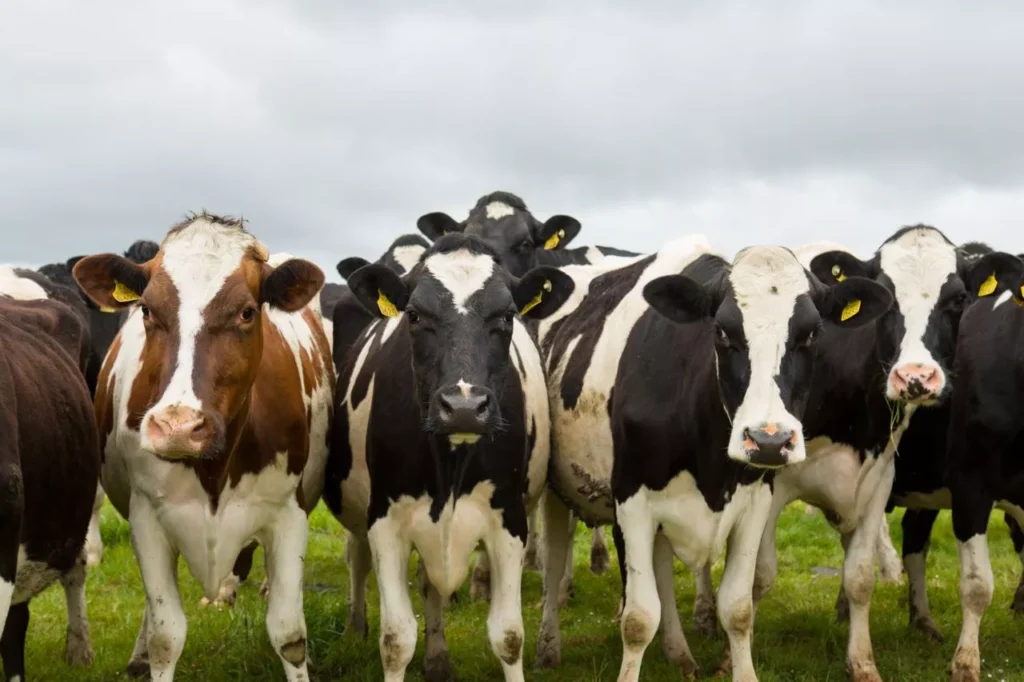
The pilot project was conducted at a dairy farm near Madera, California, which houses more than 5,000 cattle. Like many large dairy operations, the farm produces substantial amounts of manure that generate methane-rich biogas through anaerobic digestion. Traditionally, much of this gas is vented or flared because upgrading it into pipeline-quality renewable natural gas requires expensive purification infrastructure.
Circularity’s technology offers a different approach by eliminating the need for extensive gas cleanup. Instead, the company’s process can utilize raw biogas directly from the digester, allowing dairy operators to convert waste emissions into a valuable fuel product on-site.
Over thousands of operating hours, the pilot system continuously processed raw biogas containing approximately 65 percent methane and 35 percent carbon dioxide. Rather than removing the carbon dioxide beforehand, the technology integrates both gases into the fuel production process.
At the heart of the system are two proprietary reactor technologies. The first, known as the Ouro bi-reforming reactor, uses electrified processing to convert methane and carbon dioxide into synthesis gas. The second component, the Aion Fischer-Tropsch synthesis reactor, transforms that synthesis gas into liquid hydrocarbons suitable for aviation fuel production.
Both reactor systems are designed as compact, modular units mounted on transportable skids. This modular approach allows the technology to be deployed economically at the smaller, distributed scales where agricultural biogas is typically generated, avoiding the need for large centralized processing facilities.
The pilot demonstrated strong technical performance throughout the testing period. According to Circularity Fuels, the Ouro reactor achieved methane conversion rates exceeding 98 percent while converting more than 90 percent of the carbon dioxide present in the raw biogas stream.
Historically, the high concentration of carbon dioxide in agricultural biogas has represented one of the biggest barriers to efficient fuel production. By effectively utilizing both methane and carbon dioxide, the company’s process significantly improves overall carbon utilization while reducing processing costs.
The resulting fuel meets ASTM D7566 Annex A1 requirements, meaning it can be blended with conventional Jet-A aviation fuel at levels of up to 50 percent and used in existing commercial aircraft without modifications. This compatibility is important because it allows airlines to adopt the fuel using current infrastructure and aircraft fleets.
Beyond its technical achievements, the project also offers significant environmental advantages. Circularity Fuels reports that internal lifecycle analysis conducted under California regulatory methodologies estimates the fuel’s carbon intensity at -350.7 grams of carbon dioxide equivalent per megajoule.
This negative carbon score is possible because the process captures methane that would otherwise be released into the atmosphere. Methane is a far more potent greenhouse gas than carbon dioxide over its atmospheric lifetime. By converting methane into fuel instead of allowing it to escape, the system generates substantial emissions reductions that outweigh the emissions associated with producing and burning the fuel.
According to the company, each gallon of fuel produced through the process delivers a climate benefit equivalent to removing approximately 100 pounds of carbon dioxide equivalent from the atmosphere. Such performance positions the fuel among the most environmentally beneficial transportation fuels currently under development.
A key aspect of Circularity’s announcement is the economics of the technology. The company estimates that commercial-scale facilities can be built for less than $100,000 per barrel per day of installed production capacity. This figure is roughly one-fifth of the capital cost associated with many sustainable aviation fuel facilities currently being developed in Europe.
Lower capital costs are expected to translate into more competitive fuel pricing. Circularity believes its biogas-based SAF can ultimately achieve cost parity with conventional fossil jet fuel, particularly when combined with existing renewable fuel incentives.
The fuel is eligible for several established policy programs, including the U.S. Environmental Protection Agency’s Renewable Fuel Standard and California’s Low Carbon Fuel Standard. These incentive structures have previously helped renewable natural gas, ethanol, and biodiesel industries scale from niche markets into major fuel sectors. Company executives believe SAF derived from agricultural biogas can follow a similar growth trajectory.
Dr. Stephen Beaton, Founder and Chief Executive Officer of Circularity Fuels, emphasized that demonstrating continuous operation under real-world conditions was the most critical challenge.
He noted that while many concepts for sustainable aviation fuel production exist, proving that the technology can reliably process actual agricultural biogas at commercially viable costs is what ultimately determines success. According to Beaton, the pilot confirms that the company’s integrated technology stack can deliver both operational performance and attractive economics.
Industry participants have also highlighted the significance of the achievement. Craig Hartman of Hartman Engineering, a longtime developer of agricultural biogas projects, described the technology as a potential game changer for dairy operators. He noted that many farms have historically lacked practical and economical options for monetizing biogas resources, often forcing them to flare or vent methane despite its energy value.
With the pilot successfully completed, Circularity Fuels is now shifting its focus toward commercialization. The company plans to develop its first commercial-scale facility and expects construction to begin in 2027.
Initial deployment efforts will target regions with significant agricultural biogas resources, including the United States, Latin America, and Europe. By leveraging abundant waste methane streams from dairy farms and other agricultural operations, Circularity aims to establish a scalable network of decentralized SAF production facilities.
As demand for sustainable aviation fuel continues to grow worldwide, the company’s breakthrough demonstrates how agricultural waste can be transformed into a valuable, low-carbon energy resource. If successfully scaled, the technology could help reduce aviation emissions, improve energy security, and create new revenue opportunities for farmers while contributing to the transition toward a more sustainable aviation industry.
Source Link:https://www.businesswire.com/