
Renewable Electricity Expansion Across the Central U.S., Cargill Strengthens Clean Energy Portfolio
Cargill is strengthening its commitment to renewable energy in the United States by expanding its renewable electricity portfolio through new wind and solar power agreements in Oklahoma and South Dakota. The initiatives form part of the company’s broader strategy to reduce greenhouse gas emissions, improve operational efficiency and support more sustainable food production and processing across its operations.
By investing in renewable electricity projects in regions where it maintains significant business operations, Cargill aims to address emissions associated with its electricity consumption while supporting reliable and resilient energy sourcing. The projects are also expected to contribute to the climate objectives of customers whose supply chains depend on Cargill’s agricultural products, food ingredients and other essential commodities.
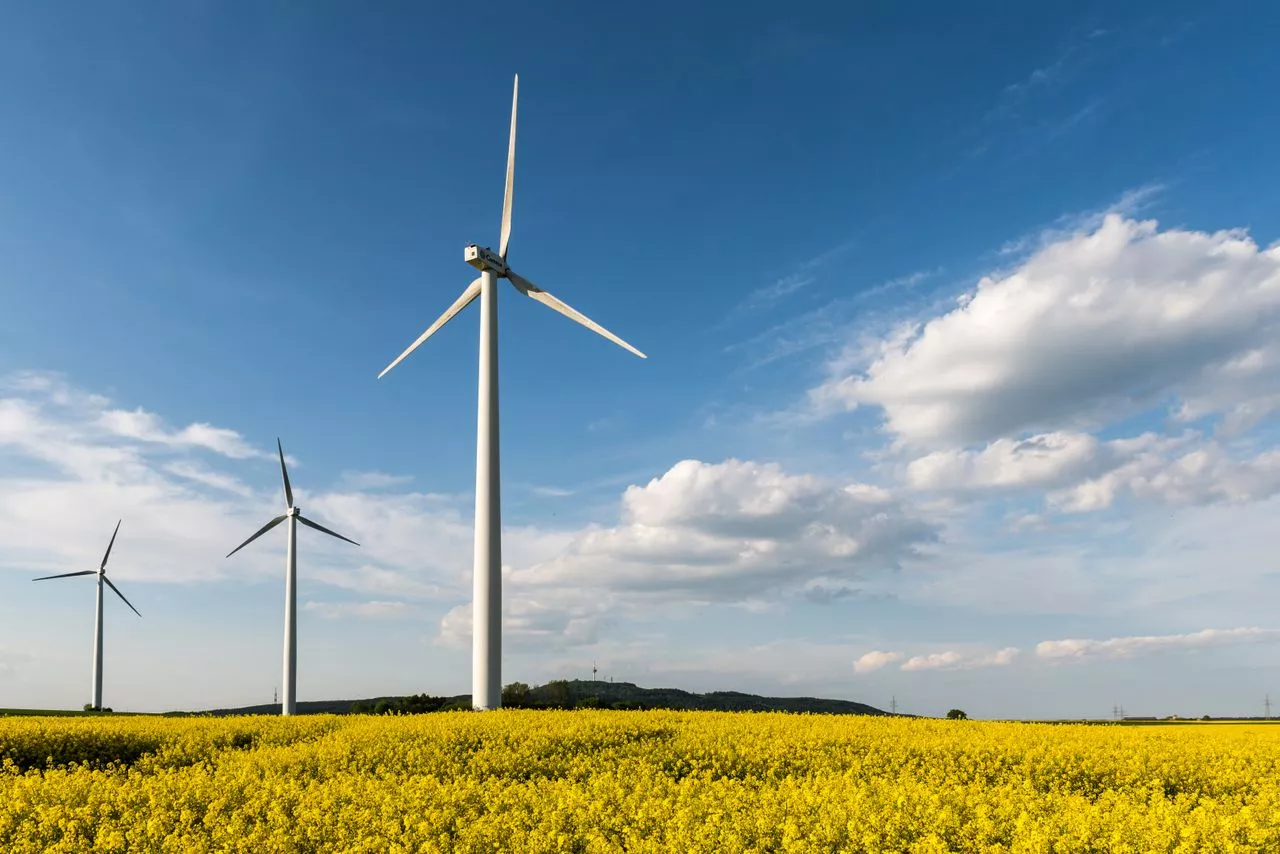
The company has entered into a virtual power purchase agreement (VPPA) for 87 megawatts (MW) of wind power from the Sweetland Wind project in South Dakota. The agreement, which extends for 12.6 years, is expected to support the generation of approximately 392,000 megawatt-hours (MWh) of renewable electricity annually.
Through this agreement, Cargill expects to support an annual reduction of approximately 162,000 metric tons of carbon dioxide equivalent (CO2e) emissions associated with its operations. The agreement represents another step in the company’s efforts to expand access to renewable electricity and reduce the environmental impact of its energy consumption.
Cargill Adds Renewable Energy Through South Dakota Wind Project
The Sweetland Wind project is an important addition to Cargill’s renewable electricity portfolio. By securing renewable energy through a long-term contractual arrangement, the company is supporting wind power generation while advancing its broader emissions reduction objectives.
Wind energy can contribute to the transition toward lower-carbon electricity systems by generating power without the direct combustion of fossil fuels during operation. Through the Sweetland Wind agreement, Cargill is helping support renewable electricity generation in the central United States, where the company operates facilities involved in producing and processing agricultural and food-related products.
The project’s anticipated annual renewable electricity generation of approximately 392,000 MWh provides a significant source of renewable energy attributes for Cargill under the agreement. The associated emissions reduction is expected to reach approximately 162,000 metric tons of CO2e each year.
Long-term agreements such as this can provide renewable energy developers with additional commercial support while enabling participating companies to incorporate renewable electricity into their energy procurement strategies. For Cargill, the arrangement supports its efforts to connect its electricity sourcing with its operational footprint and the needs of its customers.
Oklahoma Solar Project Strengthens Renewable Electricity Strategy
Alongside the South Dakota wind agreement, Cargill is advancing its renewable energy strategy through the Choctaw Fields Solar project in Oklahoma. The company previously executed a long-term VPPA covering the full output of the 85 MW solar facility.
The Choctaw Fields Solar project began commercial operations in August 2026, marking an important milestone in the development of Cargill’s renewable electricity portfolio.
The project is projected to support a reduction of approximately 1.30 million metric tons of CO2e emissions over the life of the agreement. This equates to an estimated annual reduction of approximately 86,000 metric tons of CO2e.
Solar power is an increasingly important component of corporate renewable energy strategies, providing an additional source of electricity generation alongside wind power. By supporting both technologies, Cargill is diversifying its renewable electricity sourcing and strengthening its approach to managing emissions associated with its operations.
The Oklahoma project also reflects the company’s focus on securing renewable energy in markets that are relevant to its existing facilities. Rather than treating renewable electricity procurement as a separate corporate initiative, Cargill is prioritizing projects in regions connected to its operational activities.
Together, the Sweetland Wind and Choctaw Fields Solar projects are expected to support approximately 3.3 million metric tons of CO2e emissions reductions over their respective contract terms. The combined impact demonstrates how long-term renewable electricity agreements can contribute to a company’s environmental objectives while supporting the continued development of renewable energy infrastructure.
Regional Energy Sourcing Supports Operational Resilience
Both projects are located within the Southwest Power Pool (SPP), a regional electricity grid serving a substantial portion of the central United States.
The SPP region is particularly relevant to Cargill because it includes states where the company operates major facilities involved in producing and processing beef, sweeteners, feed ingredients and other agricultural products. Securing renewable electricity through projects in this region allows Cargill to align its renewable energy procurement more closely with the areas in which it conducts business.
The company’s approach recognizes that reducing emissions from electricity consumption can deliver benefits beyond its own facilities. Cargill supplies ingredients, agricultural products and food-related materials to customers across multiple industries. As a result, its operational emissions are connected to the broader environmental footprint of the products moving through its customers’ supply chains.
Reducing emissions associated with the electricity used in Cargill’s operations can therefore help address a portion of the emissions associated with the products customers source from the company. This can support customers as they work toward their own climate targets and seek opportunities to reduce the environmental impact of their supply chains.
Christina Yagjian, senior director of global renewable energy at Cargill, emphasized the importance of working closely with customers to advance shared emissions reduction objectives.
“Our customers are looking for ways to reduce emissions from the products they source from us, and we’re partnering closely with them to support their goals,” Yagjian said.
She added that expanding renewable electricity procurement in the regions where Cargill operates helps establish a closer connection between the company’s energy sourcing and the products and ingredients it supplies.
Yagjian also highlighted the importance of collaborating with project developers to identify practical and innovative opportunities to expand the company’s renewable energy portfolio. These efforts take place in an energy market that is increasingly complex and competitive, making it important to balance emissions reduction priorities with reliable and resilient energy sourcing.
Understanding Virtual Power Purchase Agreements
Virtual power purchase agreements are an important mechanism through which companies can support renewable energy development without receiving electricity directly from a specific project.
Under a VPPA, renewable electricity generated by a project is delivered to the regional power grid rather than being physically transmitted directly to the purchasing company’s facilities. The company receives the environmental attributes associated with the renewable electricity under the terms of the agreement.
These arrangements enable businesses to support renewable energy generation while continuing to obtain physical electricity for their facilities through the existing electricity market or other supply arrangements.
For Cargill, VPPAs form one part of a broader energy management strategy. The company uses these agreements alongside other measures to manage energy consumption, improve operational resilience and reduce emissions associated with its activities.
By entering into long-term agreements, Cargill can support renewable energy projects over extended periods while contributing to the availability of lower-carbon electricity generation in the regions where it operates.
Renewable Electricity Portfolio Spans Multiple Markets
The Sweetland Wind and Choctaw Fields Solar projects are part of Cargill’s wider global renewable electricity strategy. The company’s portfolio includes six virtual power purchase agreements in North America and more than 100 renewable energy projects across 30 countries.
This international presence reflects the scale of Cargill’s operations and the importance of adapting energy sourcing strategies to different regional markets. Renewable electricity availability, grid structures, project development opportunities and energy requirements can vary considerably across countries and regions.
By pursuing projects in markets where it has an operational presence, Cargill aims to identify opportunities that align renewable energy procurement with its business needs and emissions reduction priorities.
The company continues to evaluate practical opportunities to expand its renewable electricity portfolio, working with developers and other partners to identify projects that can support its long-term sustainability ambitions.
Supporting Cargill’s 2035 Emissions Reduction Target
Cargill’s renewable electricity initiatives also contribute to its broader climate strategy, which includes a target to reduce absolute Scope 1 and Scope 2 greenhouse gas emissions by 25% by 2035, compared with a 2020 baseline.
Scope 1 emissions generally refer to direct emissions from sources owned or controlled by a company, while Scope 2 emissions are associated with the generation of purchased electricity, steam, heating and cooling consumed by the organization.
Expanding renewable electricity sourcing can help companies address emissions associated with purchased electricity, particularly when renewable energy procurement is supported by appropriate accounting methods and environmental attributes.
For Cargill, the two projects provide additional opportunities to make progress toward its emissions reduction target while supporting the development of wind and solar energy in the United States.
The company’s strategy combines regional renewable electricity procurement, collaboration with energy developers and engagement with customers seeking lower-emission supply chains. As businesses across the food and agriculture sectors face growing expectations to measure and manage their environmental footprints, initiatives such as these can help connect corporate energy decisions with wider supply chain sustainability objectives.
Through the Sweetland Wind and Choctaw Fields Solar agreements, Cargill is expanding its renewable electricity portfolio while reinforcing its commitment to reducing operational emissions. The projects illustrate how long-term renewable energy partnerships can support climate goals, strengthen regional energy sourcing strategies and help advance the transition toward more sustainable food production and processing.
Frequently Asked Questions
What is a virtual power purchase agreement?
A virtual power purchase agreement is a contractual arrangement that supports renewable energy generation. Electricity produced by the project is delivered to the regional power grid, while the purchasing company receives the associated environmental attributes according to the agreement. The electricity does not need to be delivered directly to the company’s facilities.
How much renewable electricity will the Sweetland Wind project generate for Cargill’s agreement?
The 87 MW Sweetland Wind agreement in South Dakota is expected to support approximately 392,000 MWh of renewable electricity generation annually. It is also projected to support annual emissions reductions of approximately 162,000 metric tons of CO2e.
What is the expected environmental impact of the Choctaw Fields Solar project?
The 85 MW Choctaw Fields Solar project in Oklahoma began commercial operations in August 2026. It is projected to support approximately 1.30 million metric tons of CO2e emissions reductions over the life of Cargill’s agreement, equivalent to approximately 86,000 metric tons annually.
How do the two projects support Cargill’s customers?
Cargill’s products and ingredients are used throughout customer supply chains. By reducing emissions associated with the electricity consumed in its operations, the company can help address part of the environmental footprint associated with the products customers source from it. These efforts can support customers working toward their own emissions reduction targets.
What is Cargill’s broader renewable energy goal?
Cargill’s renewable electricity portfolio includes six VPPAs in North America and more than 100 projects across 30 countries. Its broader climate strategy includes reducing absolute Scope 1 and Scope 2 emissions by 25% by 2035, using 2020 as the baseline year.
Source Link:https://www.businesswire.com/