
The Barilla Group has unveiled its 2025 Sustainability Report, highlighting significant achievements in renewable energy adoption, regenerative agriculture, sustainable packaging, community engagement, and social inclusion. Released on World Environment Day, the report demonstrates how the global food company continues to integrate sustainability into every aspect of its operations while maintaining business growth and product innovation.
The publication comes at a notable moment for Barilla. The company was recently recognized as the most reputable food-sector company in the world for the third consecutive year and earned a place among the top ten organizations globally in the Global RepTrak 100 2026 ranking. These recognitions reflect the company’s ongoing commitment to balancing business performance with environmental stewardship and social responsibility.
According to Paolo Barilla, Vice Chairman of the Barilla Group, sustainability is closely linked to education, culture, and long-term responsibility.
“The future of the planet will increasingly depend on our ability to spread culture and education,” he said. “For Barilla, this means caring for communities, promoting strong values, and investing in technologies and production systems that protect the environment and safeguard people’s health.”
Sustainable Packaging and Product Improvements
One of the most visible examples of Barilla’s sustainability efforts can be found in its packaging innovations. During 2025, the company introduced a slimmer packaging format for its Tagliatelle pasta products. The redesign is expected to save approximately 150 tons of cardboard annually while reducing transportation-related carbon dioxide emissions by around 20 percent.
In addition, Barilla has increased the use of recycled materials across its packaging portfolio. Its ready-made sauce jars are now produced using approximately 65 percent recycled glass, helping reduce the demand for virgin raw materials and lowering the environmental footprint associated with packaging production.
Beyond packaging, Barilla continues to improve the nutritional quality of its products. The company reported that 89 percent of the volume of products sold contains no more than five grams of sugar per serving. Meanwhile, 90 percent contain no more than 0.5 grams of salt per serving, and 90 percent provide a source of dietary fiber.
These improvements align with growing consumer demand for healthier food options and reflect Barilla’s strategy of enhancing nutritional value without sacrificing taste or product quality.
Barilla Highlights Renewable Energy, Regenerative Agriculture and Community Support in Sustainability Stories
Driving Innovation Through Research and Development
Innovation remains a central pillar of Barilla’s sustainability and growth strategy. During 2025, the company invested more than €47 million in research, development, and quality initiatives.
A major milestone was the establishment of BITE (Barilla Innovation & Technology Experience), the company’s new global innovation hub located in Parma, Italy, adjacent to its historic pasta production facility.
The center brings together more than 200 specialists, including food technologists, researchers, food designers, chefs, and sensory experts. Their work focuses on transforming new ideas into practical products and scalable manufacturing solutions. The hub is further strengthened through collaborations with 84 universities and research institutions worldwide, enabling Barilla to access cutting-edge scientific expertise and accelerate innovation across its product portfolio.
Expanding Renewable Energy Capacity
Barilla has also made substantial progress toward reducing its operational carbon footprint through investments in renewable energy and energy efficiency.
In 2025, the company invested €30 million as part of a broader five-year investment plan worth €168 million extending through 2030. The program supports a range of sustainability initiatives across Barilla’s global production network, including renewable electricity generation, energy efficiency improvements, and responsible water management.
Five new photovoltaic installations were activated during the year at facilities located in Foggia, Melfi, Ascoli Piceno, and Cremona in Italy, as well as Thiva in Greece.
As a result, Barilla’s total installed solar power capacity exceeded 8 megawatts, representing more than a fourfold increase compared with 2022 levels. The expansion reflects the company’s commitment to increasing its use of clean energy while reducing dependence on conventional power sources.
Water conservation has also become an increasingly important focus area. At production sites located in regions facing water stress, recycled and reused water volumes increased by 196 percent compared with 2022. This achievement moves the company significantly closer to its target of increasing water reuse by 250 percent by 2030.
Scaling Regenerative Agriculture Across the Supply Chain
Agriculture lies at the heart of Barilla’s business, making sustainable farming practices a critical component of its environmental strategy.
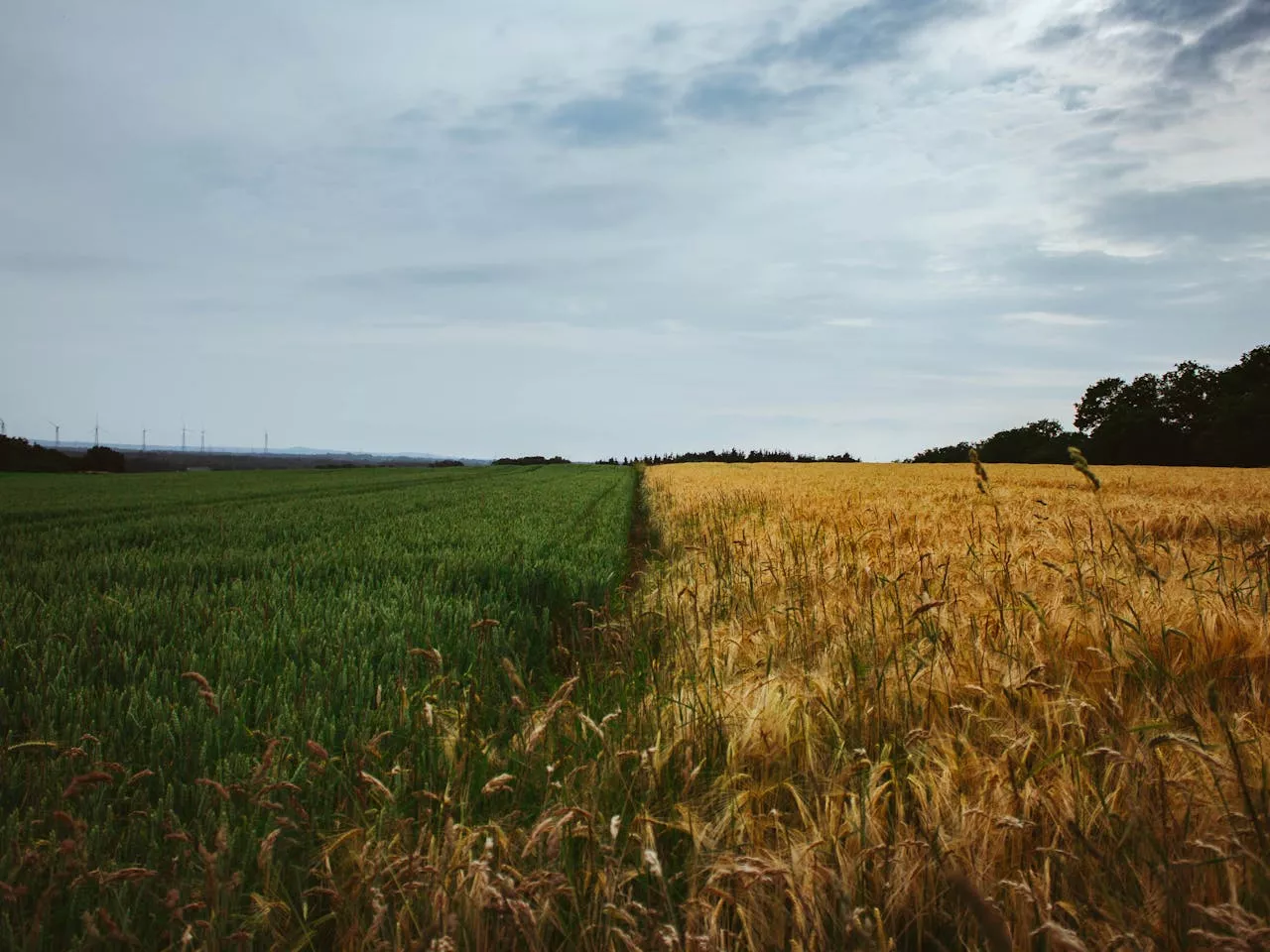
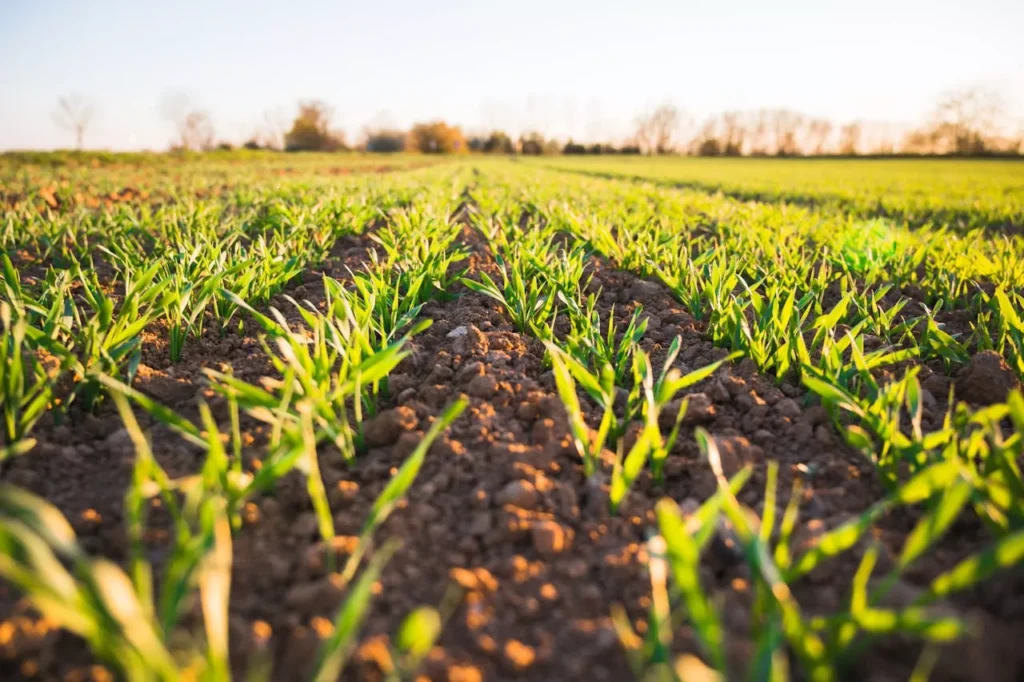
The company has intensified efforts to promote regenerative agriculture, a farming approach designed to restore soil health, improve biodiversity, enhance ecosystem resilience, and reduce greenhouse gas emissions.
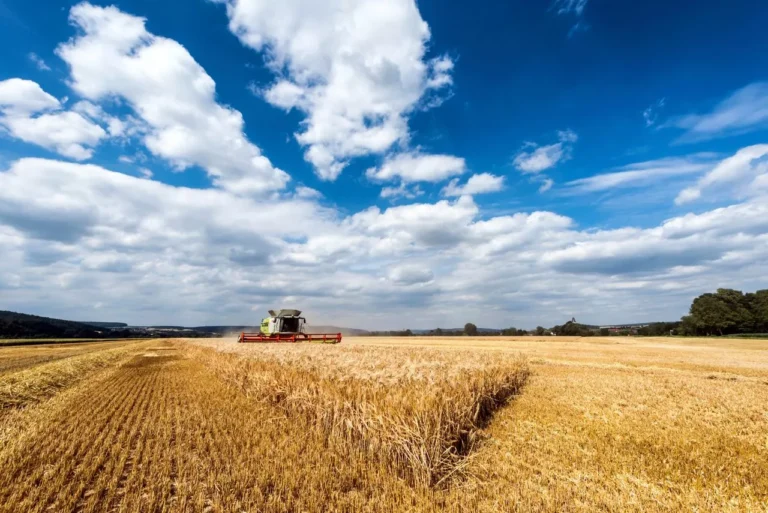
In 2025, Barilla purchased 4,160 tons of soft wheat produced using regenerative agricultural practices. While this represents an early stage in the company’s broader transformation, Barilla has established an ambitious goal of sourcing 250,000 tons of regenerative wheat annually by 2030.
The initiative forms part of the company’s Barilla Sustainable Farming (BSF) program, which has been active for more than a decade. Since 2010, the BSF framework has enabled the sourcing of more than 816,000 tons of raw materials while engaging nearly 7,000 farmers across key agricultural supply chains, including cereals and basil.
The program encourages the adoption of farming techniques aligned with the principles promoted by the Food and Agriculture Organization (FAO). These include crop rotation, minimum tillage, organic fertilization, and other practices aimed at improving soil quality and reducing environmental impact.
By scaling these approaches across its supply chain, Barilla aims to build greater resilience against climate-related risks while supporting long-term agricultural productivity.
Supporting Communities and Promoting Inclusion
Barilla’s sustainability strategy extends beyond environmental initiatives to include social responsibility and community development.
In 2025, the company donated approximately 4,000 tons of food products to non-profit organizations around the world. These donations helped support food access programs and assist vulnerable populations facing economic and social challenges.
Additionally, Barilla allocated €2 million to social causes focused on education, inclusion, and community well-being. The company works closely with local organizations and stakeholders in countries where it operates, supporting projects that use food as a means of fostering connection, opportunity, and social cohesion.
Within its own workforce and production facilities, Barilla continues to promote equal opportunities and diversity. The company has implemented initiatives designed to support the integration of vulnerable groups and strengthen inclusion throughout its operations.
These efforts form part of the Group’s broader People and Social Sustainability agenda, which seeks to create a workplace culture that values diversity, accessibility, and fairness.
Responsible Growth Amid Global Challenges
Despite operating in an environment marked by geopolitical uncertainty, evolving trade dynamics, and volatile costs, Barilla maintained positive business momentum throughout 2025.
The company operates 30 production facilities worldwide, evenly split between Italy and international markets. Its products are sold in more than 100 countries, with annual sales reaching approximately 2 million tons.
For 2025, Barilla reported revenues of €4.837 billion, representing a 1 percent increase when adjusted for currency fluctuations.
The company attributes its continued success to the integration of sustainability into its long-term business strategy. Guided by the Barilla 2030 Sustainability Compass, the Group remains focused on achieving ambitious environmental, social, and governance goals while delivering high-quality food products to consumers around the world.
The newly released Sustainability Report and accompanying “Sustainability Stories” publication provide a comprehensive overview of the initiatives, achievements, and future targets that will shape Barilla’s sustainability journey in the years ahead. Through investments in renewable energy, regenerative agriculture, packaging innovation, community support, and responsible business practices, Barilla continues to demonstrate how sustainability can drive both positive impact and long-term growth.
Source Link:https://www.businesswire.com/