Ground Up Investing (GUI), the impact investing arm of Corus International, has announced a $6 million first close for its second investment fund, marking a significant milestone in its efforts to strengthen agricultural businesses and increase incomes for smallholder farmers across Africa and Latin America. With Corus International serving as the anchor investor, the new $20 million Fund 2 aims to expand access to working capital for agricultural small and medium-sized enterprises (SMEs), helping them grow their operations, improve land management and create sustainable economic opportunities for rural communities.
The fund is designed to address a persistent financing gap in agricultural markets, where many locally owned businesses require loans that are too large for traditional microfinance providers but often fall below the investment thresholds of mainstream commercial lenders. By providing capital to these enterprises, GUI aims to strengthen the businesses that connect smallholder farmers with markets, purchase agricultural products directly from producers and support employment across rural economies.
Through its lending activities, Fund 2 is expected to improve land management practices across more than 20,000 acres of farmland and generate $200 million in additional farmer income. These objectives reflect GUI’s broader commitment to demonstrating how targeted investment in agricultural enterprises can deliver measurable economic, environmental and social benefits.
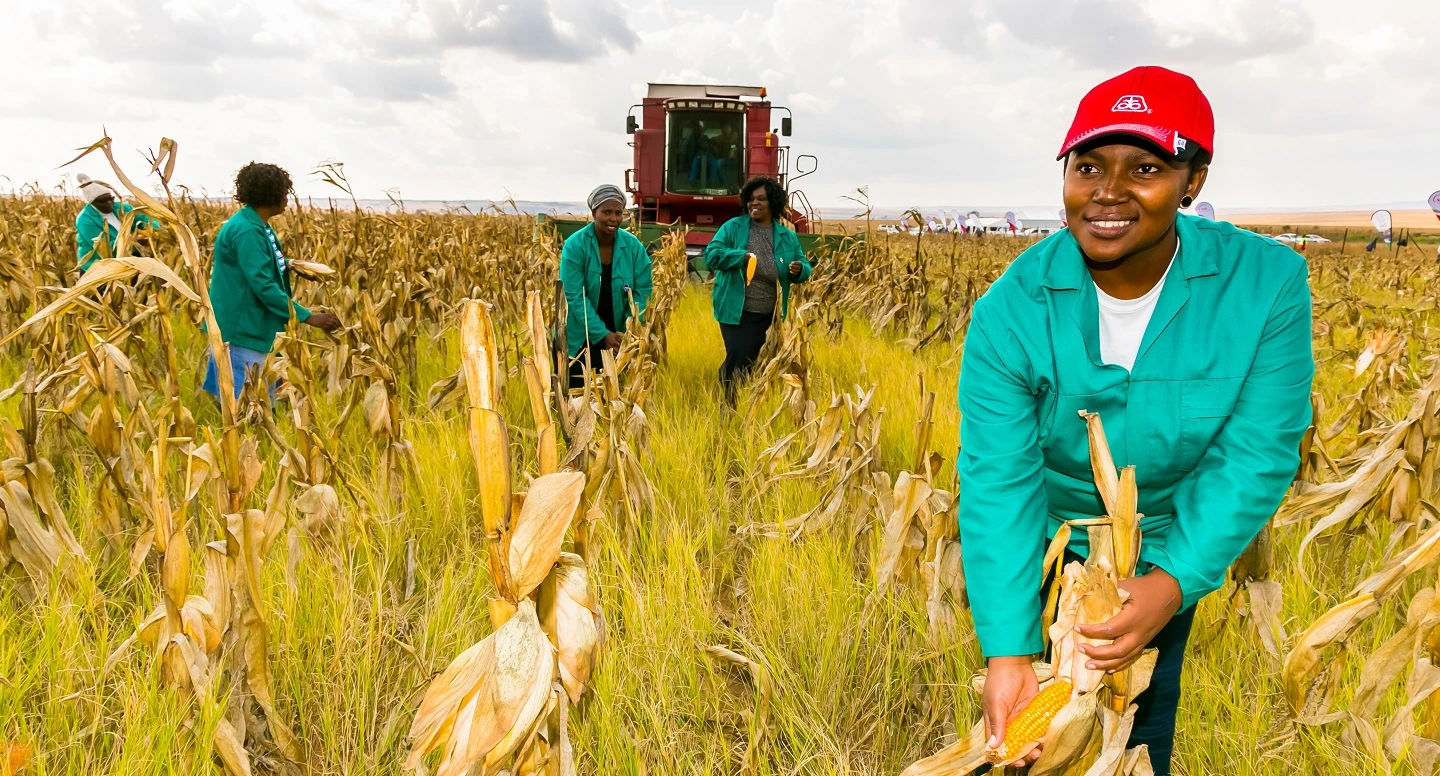
Ground Up Investing’s second fund will provide two-year working capital loans to agricultural SMEs operating in Kenya, Uganda, Rwanda, Colombia, Peru and Ecuador. These businesses play an important role in local agricultural value chains by purchasing crops from smallholder farmers, facilitating market access and creating jobs within the communities where they operate.
Many agricultural enterprises need financing ranging from $250,000 to $1 million to purchase crops, manage seasonal cash flow, expand operations and meet growing demand from buyers. However, obtaining this level of capital can be challenging. Microfinance institutions typically focus on smaller loans, while many commercial investors seek larger transactions that offer different risk and return profiles.
This financing gap can limit the ability of promising agricultural businesses to expand, even when they have established relationships with farmers and clear opportunities to grow. Without sufficient working capital, enterprises may struggle to purchase crops in the quantities farmers can supply, develop stronger buyer relationships or invest in more efficient operations.
Fund 2 seeks to address these challenges by providing appropriately structured financing that enables agricultural businesses to strengthen their operations and improve their capacity to serve farming communities.
By supporting these enterprises, GUI expects to help farmers gain more reliable access to markets and create opportunities for increased earnings. Stronger agricultural businesses can also contribute to more resilient local food systems by improving the connections between producers, buyers and other participants in the agricultural supply chain.
The fund’s geographic focus across Africa and Latin America reflects the importance of locally rooted agricultural enterprises in supporting rural livelihoods. In these markets, smallholder farmers often depend on intermediaries and agricultural businesses to purchase their harvests, coordinate market access and provide the commercial relationships needed to sell their products.
When these businesses have sufficient capital, they can potentially purchase more produce, reach additional farmers and create more stable trading relationships. GUI’s investment approach is intended to help unlock this potential while supporting the long-term development of agricultural markets.
Fund 2 builds on the experience and results of GUI’s first investment fund, which launched in 2017. Through its first fund, the organization invested $5 million in 15 agricultural businesses, demonstrating how targeted financing can support enterprises that serve smallholder farmers.
Collectively, the businesses backed by Fund 1 have paid more than $50 million to farmers, created over 800 local jobs and improved land management across more than 50,000 acres of land.
These results illustrate the potential impact of providing capital to agricultural SMEs that operate close to farming communities. Rather than investing directly in individual farms alone, GUI supports businesses that aggregate agricultural production, connect producers to buyers and help farmers participate more effectively in commercial markets.
One example is Mountain Harvest, a Ugandan coffee company supported by GUI’s first fund. The company purchases coffee from more than 3,000 farming families and pays them a 30% premium.
Mountain Harvest demonstrates how agricultural enterprises can create value for producers through stronger market connections and improved commercial opportunities. By working with thousands of farming households, the company helps connect smallholder coffee producers with the wider market while providing a model for how investment in local businesses can benefit agricultural communities.
GUI intends to build on these experiences through Fund 2, extending its support to additional agricultural enterprises and expanding the potential benefits for farmers across its target countries.
The first fund’s results also provide a foundation for GUI’s emphasis on measurable outcomes. Its approach links investment capital with objectives such as farmer income growth, employment creation and improved land management, allowing the organization to assess its contribution beyond the amount of money deployed.
Mark Muckerheide, CEO of Ground Up Investing, said the $6 million first close represents more than a fundraising achievement, reflecting increasing confidence in the farmers, entrepreneurs and rural businesses that sustain local economies.
“This milestone reflects much more than dollars raised,” Muckerheide said. “It reflects growing confidence in the farmers, entrepreneurs and rural businesses that power local economies every day. Over the past several years, we’ve seen firsthand that when agricultural enterprises gain access to capital, farmers earn more income, businesses grow and communities become stronger.”
Muckerheide also outlined the fund’s central impact objective: generating $10 in additional farmer income for every $1 invested.
“Fund 2’s north star is $10 in additional farmer income for every $1 we invest, and our vision is to create $1 billion in farmer income over the next ten years,” he said.
This target places farmer earnings at the center of GUI’s investment strategy. By financing businesses that purchase crops and connect producers with markets, the organization seeks to create a multiplier effect in which capital supports business growth while helping increase the income generated by farming activities.
The longer-term ambition to generate $1 billion in farmer income over the next decade also signals GUI’s intention to scale its investment model. Achieving this goal will depend on expanding access to capital, supporting the performance of portfolio businesses and ensuring that growth translates into meaningful benefits for farmers.
For agricultural SMEs, working capital can be essential to maintaining purchasing capacity during harvest seasons and responding to changing market requirements. Access to financing can help businesses manage these demands, strengthen relationships with producers and pursue growth opportunities that might otherwise remain out of reach.
For farmers, stronger purchasing businesses can offer additional opportunities to sell crops, improve market participation and earn more from their production.
Ground Up Investing was founded by Corus International in 2017 to bring patient, impact-focused capital to promising agricultural businesses that are often underserved by traditional financial institutions.
Corus International is a global humanitarian assistance and development organization headquartered in Washington, D.C. Its work has long focused on helping communities build stronger foundations for sustainable development. GUI extends that commitment into investment by directing capital toward businesses capable of generating both financial returns and positive social outcomes.
The initiative reflects a broader approach to development finance in which investment can complement traditional humanitarian and development activities. By supporting commercially active agricultural enterprises, GUI seeks to help local businesses become stronger economic participants while creating opportunities for the farmers and communities connected to them.
Ambassador Daniel Speckhard, president and CEO of Corus International, emphasized the role of local entrepreneurs in strengthening rural economies.
“Corus has spent decades working alongside farmers and rural communities around the world,” Speckhard said. “Ground Up Investing has shown that when capital reaches local entrepreneurs, it creates opportunities that extend throughout entire communities. The strong response from investors reflects a growing recognition that rural businesses are not only engines of economic growth, but also essential partners in building more resilient and prosperous communities.”
His comments highlight the connection between agricultural enterprise development and broader community resilience. Agricultural SMEs can support livelihoods not only through direct employment but also through the commercial relationships they maintain with farmers, suppliers, buyers and service providers.
When these enterprises can access appropriate financing, they may be better positioned to expand purchasing networks, strengthen local supply chains and contribute to economic activity in rural areas.
The $6 million first close establishes an initial funding base for GUI’s second fund, which has a total target of $20 million. The fund’s planned investments will focus on agricultural SMEs in six countries across Africa and Latin America, with the aim of addressing financing barriers that can restrict business growth and limit opportunities for smallholder farmers.
Its objectives include generating $200 million in additional farmer income and improving land management across more than 20,000 acres of farmland. These goals build on the experience of Fund 1, whose portfolio businesses have already delivered more than $50 million in farmer payments, created over 800 jobs and improved land management across more than 50,000 acres.
By combining working capital financing with clearly defined impact targets, Ground Up Investing aims to demonstrate how investment in agricultural businesses can support stronger rural economies and more resilient food systems.
As the fund progresses toward its $20 million target, its performance will be measured not only by the capital deployed but also by the opportunities created for farmers, the growth of local enterprises and the contribution of those businesses to sustainable agricultural development.
Through its partnership with Corus International and its focus on underserved agricultural SMEs, GUI is seeking to expand a financing model that connects business growth with improved farmer livelihoods. Its long-term ambition of generating $1 billion in additional farmer income over ten years underscores the organization’s commitment to making agricultural investment a practical driver of economic opportunity across Africa and Latin America.
Source Link:https://www.businesswire.com/