
Australian Wine’s Rising Stars Begin Once-in-a-Lifetime China Immersion
At the historic Penfolds Magill Estate in South Australia, four emerging Australian wine professionals have begun an international journey designed to deepen understanding, exchange knowledge and strengthen connections between the Australian and Chinese wine industries.
The participants are taking part in the second of two reciprocal legs of the 2026 Australia-China Winemaker Immersion Program, an initiative focused on fostering practical collaboration and long-term relationships between wine professionals in both countries.
Over four weeks, the group will travel through China during the country’s harvest season, visiting major wine regions and gaining firsthand experience of vineyards, wineries, production techniques, consumer markets and industry development. Their journey will take them from the foothills of the Helan Mountain in Ningxia to the coastal wine-growing region of Shandong.
This year’s Australian participants are Harry Scanlon, Founder, Winemaker and Viticulturist at Scanlon Wines; Leila Davis, Co-founder and Winemaker at Foreign Friends; Holly Edson, Front of House Manager at Atelier Wine Bar; and Michael Lyons, Assistant Vineyard Manager at Treasury Wine Estates.
Together, the four bring experience across viticulture, winemaking, hospitality, vineyard management and wine business ownership. Their varied professional backgrounds are expected to provide a broad perspective on China’s rapidly developing wine sector.
For Scanlon, the exchange represents an opportunity to examine the Chinese wine industry from a much wider perspective than simply vineyard and cellar operations.
“I am looking forward to immersing myself in China’s wine industry at every level, from the vineyards and winemaking to innovation, consumer engagement and how their wines are being brought to market,” he said.
Edson is similarly interested in understanding the relationship between China’s wine regions, wine culture and consumer marketplace. She hopes the program will provide insight into how wineries across the country are developing their brands and reaching consumers.
“I am particularly interested in learning more about Chinese wine culture and understanding how wineries across China distribute and market their wines to consumers,” she said.
She also emphasized the importance of professional relationships created through the exchange.
“Most of all, I am excited by the opportunity to meet and learn from Chinese winemakers, viticulturists and other wine professionals, while building meaningful connections and sharing knowledge and experiences within the industry.”
Paying Tribute to Four Decades of Australia-China Connections
The journey will begin in Beijing, where the Australian participants will receive an introduction to China’s wine industry hosted by the China Alcoholic Drinks Association and China Agricultural University.
From there, the group will travel to two of China’s important wine-producing regions, Ningxia and Shandong. Their practical immersion will include visits to leading wineries such as Chateau Junding and COFCO Great Wall, giving participants the opportunity to observe regional vineyard practices and winemaking operations firsthand.
The itinerary will also include a visit to the China International Fair for Trade in Services in Beijing. As one of China’s four major national trade fairs, the event will offer another perspective on the country’s broader commercial environment and opportunities for international engagement.
The program will conclude with a special event commemorating the 40th anniversary of the sister-province relationship between South Australia and Shandong.
The milestone follows an official visit to Shandong in April by South Australian Governor Her Excellency The Honourable Frances Adamson AC. During the visit, the four-decade relationship between the two regions was recognized at a banquet hosted by Shandong Governor Zhou Naixiang.
The connection between South Australia and China also has a long history within the wine sector.
Penfolds Provides a Fitting Starting Point
The choice of Penfolds Magill Estate as the starting point for the exchange carries particular significance for Treasury Wine Estates (TWE).
The company’s relationship with China stretches back more than a century. The first Penfolds wine was exported from South Australia to Shanghai in 1893, establishing an early connection between one of Australia’s best-known wine brands and the Chinese market.
That relationship has continued to develop over the decades. In 2023, Penfolds launched its first China-sourced wine as part of the prestigious Penfolds Collection, CWT 521.
Two years later, in 2025, Treasury Wine Estates strengthened its presence in China through the acquisition of Stone & Moon in Ningxia. The winery is now known as the Penfolds Ningxia winery, providing the company with a direct production presence in one of China’s emerging premium wine regions.
TWE also maintains a strategic cooperation agreement with the China Alcoholic Drinks Association. The partnership is intended to support the development of China’s wine industry through the exchange of technical expertise, knowledge and experience.
Sharing Solutions to Common Vineyard Challenges
A major focus of the immersion will be comparing how wine producers in Australia and China respond to different environmental and climatic conditions.
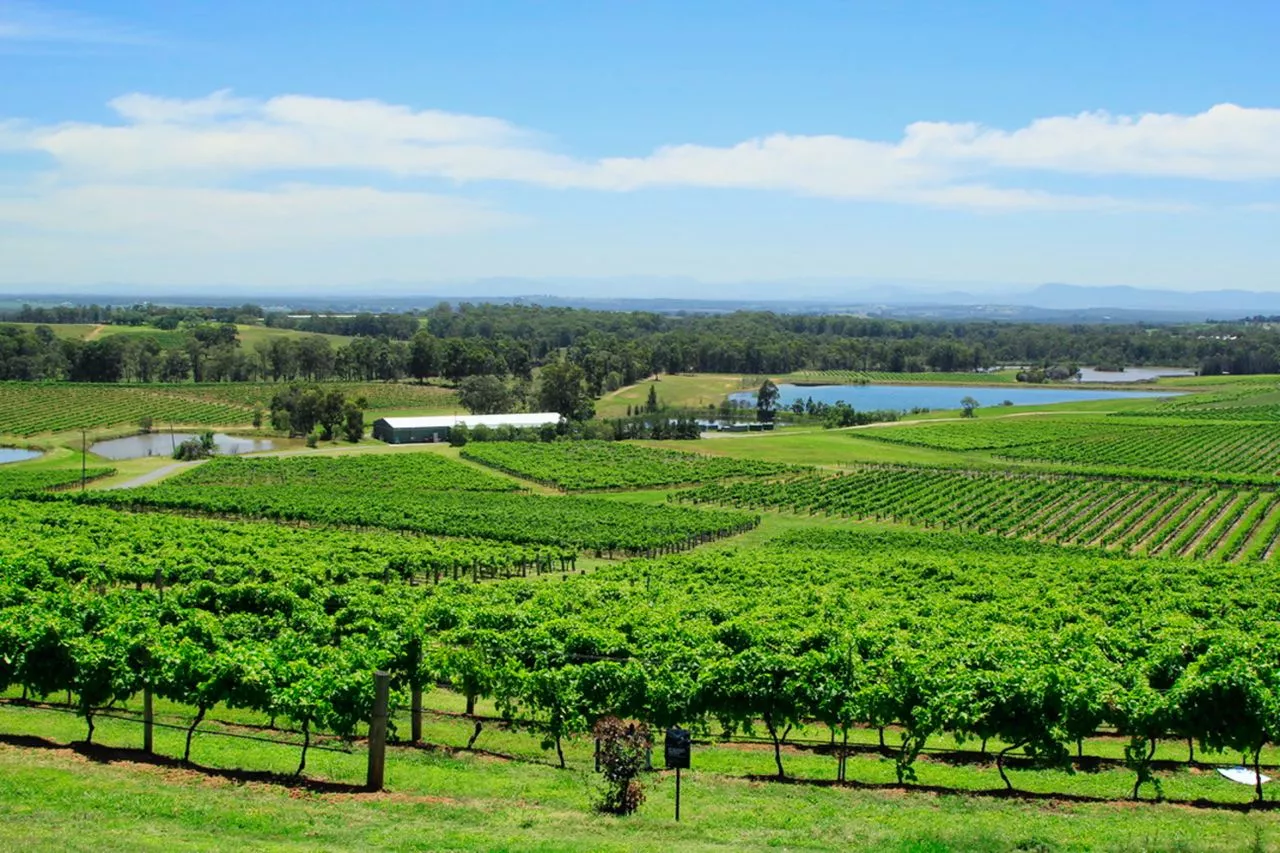
In Ningxia, participants will learn about the distinctive practice of burying grapevines during winter to protect them from severe cold. In Shandong, meanwhile, they will explore vineyard management strategies designed to address monsoon rainfall during the grape-ripening period.
The contrasting environments provide an opportunity for participants to examine different approaches to vineyard management, harvest timing, winemaking and technical decision-making.
Sustainability and climate adaptation are also expected to be important themes throughout the exchange.
For Davis, understanding how Chinese producers respond to environmental pressures is a key motivation for participating in the program.
“I’m looking forward to learning how Chinese producers are tackling challenges similar to those faced by winemakers in Australia: extreme climates, frost, water scarcity, and building long-term resilience into vineyards,” she said.
Lyons also highlighted the value of learning from China’s developing wine regions.
“I am particularly keen to learn more about Chinese vineyard management practices, sustainability initiatives, climate adaptation strategies, and the approaches being used across China’s emerging wine regions,” he said.
Turning Knowledge Exchange Into Practical Outcomes
Although the Australia-China Winemaker Immersion Program is only two years old, its organizers say it is already producing practical benefits beyond the formal exchange itself.
One example came in June, when a Treasury Wine Estates delegation participated in an Australia China Business Council visit to Yaochi Xiye winery in Xinjiang.
The visit provided an opportunity to reconnect with Kou Yaqin, a Chinese winemaker who participated in the Australian leg of the immersion program earlier in 2026.
During her time in South Australia, Kou studied region-specific viticulture challenges, including irrigation and rootstock selection for warm and dry growing conditions.
Following her return to Xinjiang, she successfully modified vineyard irrigation practices. A longer-term rootstock project is also underway through a new nursery block developed in collaboration with the Grape Research Institute of the Shandong Academy of Agricultural Sciences.
The example illustrates the practical potential of international knowledge exchange. Ideas introduced during an immersion can continue to develop after participants return home, leading to changes in vineyard management, research and production practices.
Building a Partnership Beyond a Single Vintage
The Australia-China Winemaker Immersion Program is ultimately designed to create relationships that extend beyond the four weeks spent in the vineyard and winery.
By bringing together professionals at different stages of their careers and from different areas of the wine industry, the program encourages participants to share technical knowledge while developing a deeper understanding of each country’s wine culture, business environment and regional challenges.
For Australian participants, the Chinese experience offers insight into one of the world’s evolving wine markets. For Chinese wine professionals, engagement with Australia’s mature wine industry provides opportunities to explore established approaches to viticulture, winemaking, sustainability and market development.
As Scanlon, Davis, Edson and Lyons begin their journey from South Australia to Ningxia and Shandong, they will experience China’s harvest firsthand while contributing their own knowledge and perspectives.
The program therefore represents more than a professional exchange. It is helping establish stronger networks between two wine communities, encouraging practical cooperation and creating opportunities for innovation.
From the historic vineyards of Magill Estate to China’s emerging wine regions, the 2026 immersion is building connections intended to last well beyond a single harvest — supporting knowledge sharing, professional relationships and collaboration between Australia and China for years to come.
Source Link:https://www.tweglobal.com/