
a leading sustainable energy company and part of the global , has announced the return of thousands of sheep to several of its solar energy facilities across Oregon and Washington as part of its ongoing vegetation management strategy. The initiative, which combines renewable energy operations with traditional ranching practices, reflects the company’s growing commitment to sustainable land stewardship, wildfire prevention, and long-term community partnerships throughout the Pacific Northwest.
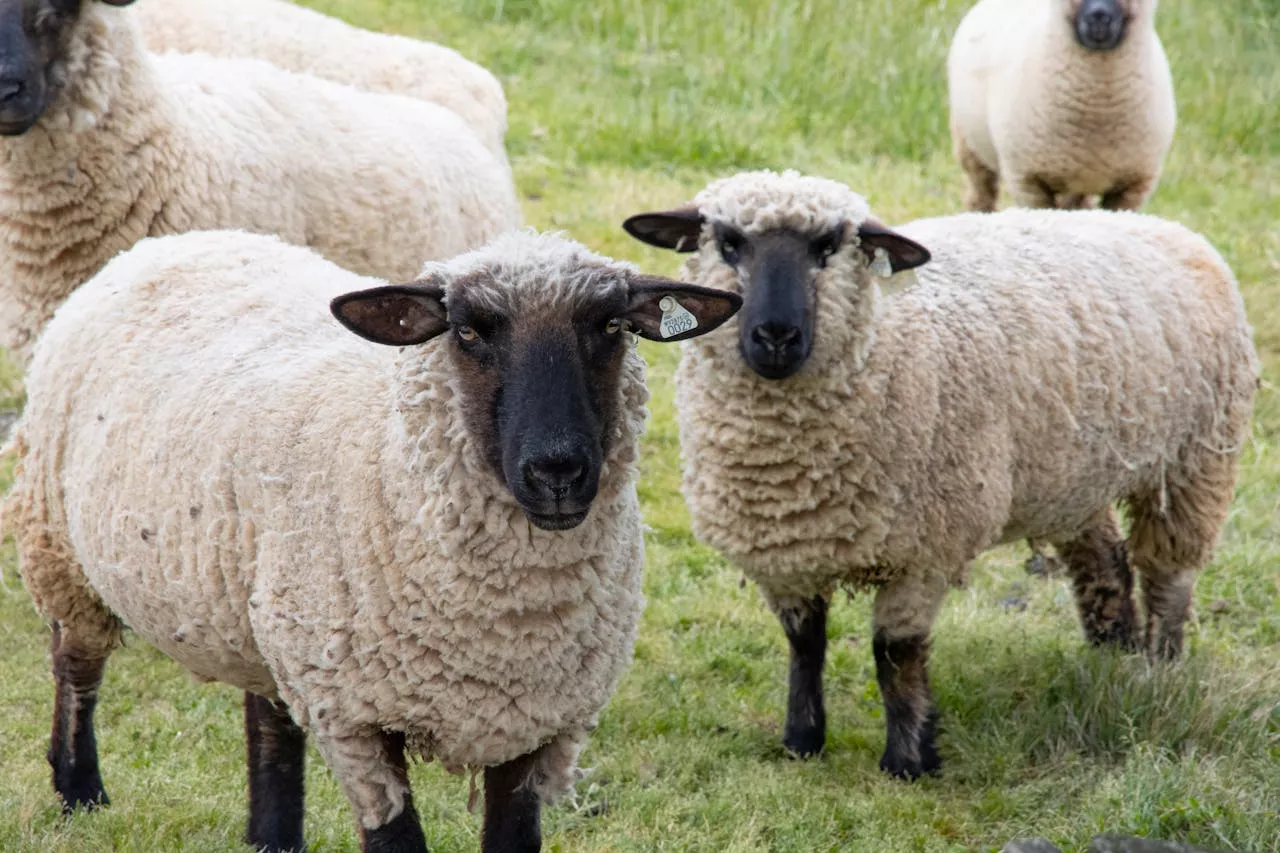
This spring, more than 5,000 sheep have been deployed across four Avangrid solar projects — Daybreak Solar, Bakeoven Solar, Pachwáywit Fields Solar, and Lund Hill Solar. The sheep are being used to naturally manage grass and weed growth around solar infrastructure, reducing the need for mechanical mowing equipment while also lowering fire risks during the region’s dry summer months.
The practice, commonly referred to as “solar grazing,” is becoming an increasingly popular approach within the renewable energy industry. By allowing sheep to graze beneath and around solar panels, energy developers can maintain vegetation levels in an environmentally responsible way while supporting local agricultural economies. Avangrid’s program is being carried out in partnership with Krebs Solar Grazing, owned by fifth-generation Oregon rancher Cameron Krebs.
According to Avangrid CEO Jose Antonio Miranda, the initiative demonstrates the company’s broader commitment to building long-term relationships with the communities where its renewable energy projects operate.
“This is a partnership and a management strategy indicative of Avangrid’s long-term commitment to these communities,” Miranda said. “Not only are we effectively managing our facilities in ways that incorporate the region’s historical ties to ranching, but cultivating strong local partnerships to collaboratively maintain our solar projects.”
The Columbia Plateau region, where many of these facilities are located, has deep agricultural and ranching roots. By integrating local livestock operations into renewable energy maintenance, Avangrid is creating a model that supports both clean energy development and traditional rural livelihoods. The company first began experimenting with solar grazing in the region through a small pilot project in 2023. Following positive results, the program expanded significantly in 2024 and has now evolved into a major operational component of the company’s vegetation management strategy.
For rancher Cameron Krebs, the partnership represents more than just a business opportunity. His family has spent generations producing lamb and wool in Oregon, and he views the collaboration as a meaningful example of how emerging industries can work together with local communities rather than replacing them.
“When new industries move into our communities, it’s nice to see a partner like Avangrid engaging those of us who are born and raised here and looking at sustainable ways to take care of this landscape together,” Krebs explained. “Our primary objective is to reduce the vegetation in the facility, maintain its high functionality, and create resilience through summer.”
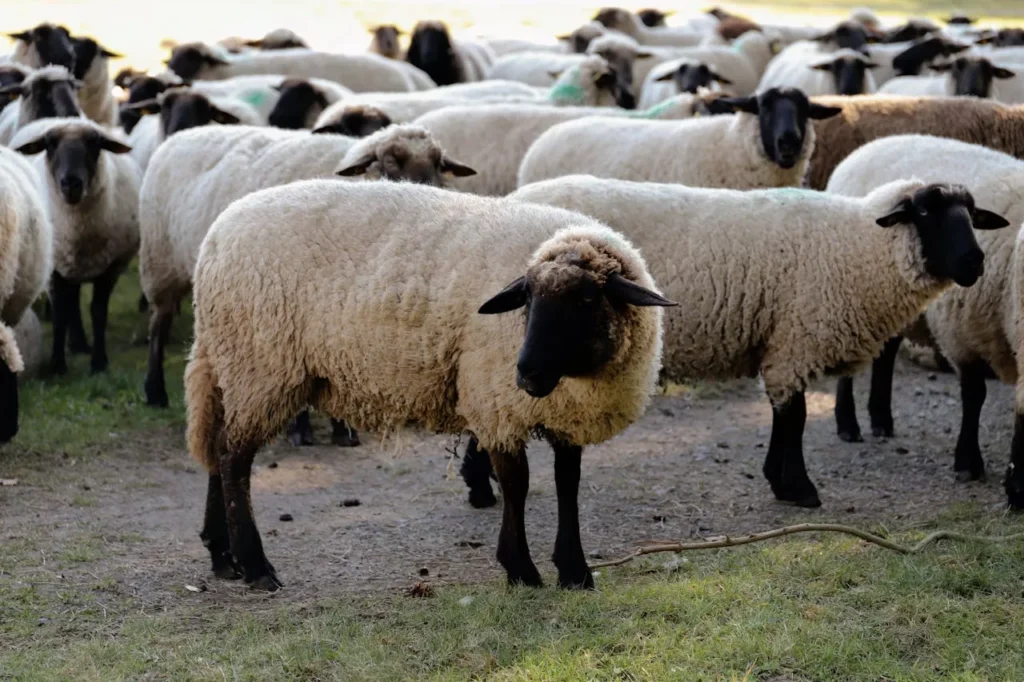
The sheep are particularly effective in solar environments because of their ability to move easily beneath solar panels and around equipment without damaging infrastructure. Unlike larger livestock such as cattle, sheep can safely graze in tight spaces and consume a wide variety of grasses and weeds. Their grazing activity keeps vegetation at manageable levels throughout the spring growing season, helping to prevent excessive dry plant buildup before temperatures rise in the summer.
Wildfire prevention has become an increasingly important concern across the western United States, especially in Oregon and Washington, where prolonged heat and drought conditions have heightened the risk of grass fires in recent years. Renewable energy facilities, particularly large-scale solar farms, require ongoing vegetation management to reduce ignition risks and ensure safe operations. Traditionally, this work has relied heavily on gas-powered mowing equipment or herbicides. Solar grazing offers a lower-impact alternative that aligns with broader sustainability goals.
In addition to reducing fire hazards, the practice provides environmental benefits by decreasing fuel consumption from maintenance machinery, reducing soil disturbance, and promoting healthier ecosystems. Sheep grazing can also improve soil quality through natural fertilization while helping maintain biodiversity around solar sites.
Lora Chante emphasized that the expansion of the grazing initiative reflects the company’s long-term operational philosophy and its focus on being a responsible community partner.
“What began as a small pilot project in 2023 has turned into a full-fledged vegetation management operation in just a few short years,” Chante said. “We build our projects with the intent to operate them for 30 years or more, meaning it is important that we remain a great neighbor and exceptional community partner. Utilizing sheep grazing at our solar projects is helping us accomplish these goals by keeping our facilities clean and safe.”
As renewable energy developers across North America continue searching for innovative and sustainable land management practices, solar grazing has gained attention as a practical solution that creates mutual benefits for energy companies, ranchers, and local ecosystems. Industry experts increasingly view agrivoltaics — the combination of agriculture and solar energy production — as an important strategy for maximizing land use efficiency while supporting rural economies.
Avangrid’s continued investment in solar grazing demonstrates how renewable energy infrastructure can coexist with traditional agricultural practices. The company noted that it is actively exploring opportunities to expand the use of sheep grazing at additional solar facilities both within the Pacific Northwest and in other regions across the United States.
By blending clean energy production with sustainable agriculture, Avangrid is positioning its solar operations as not only sources of renewable power but also contributors to environmental stewardship and regional economic resilience. The return of thousands of sheep to its solar facilities this spring underscores a growing trend in the renewable energy sector — one where innovation, sustainability, and community collaboration increasingly go hand in hand.
Source Link:https://www.businesswire.com/