A beef burger paired with a cold beer is one of the most enduring combinations in food culture. It’s a pairing built on simplicity—rich, savory meat complemented by the refreshing bitterness and complexity of a well-crafted brew. Yet behind this seemingly straightforward duo lies a far more intricate story. Both beef production and beer brewing are processes that require skill, patience, and a deep understanding of craft. In many ways, they are not just industries but art forms shaped by tradition, innovation, and a connection to the land.
In San Diego County, where culinary creativity meets agricultural heritage, these two crafts are coming together in a unique and sustainable way. A local partnership between a ranch and a brewery is redefining how food and beverage systems can work in harmony. By closing the loop between brewing and ranching, they are creating a model that reduces waste, enhances sustainability, and strengthens the local food ecosystem—from pasture to pint, and ultimately to plate.
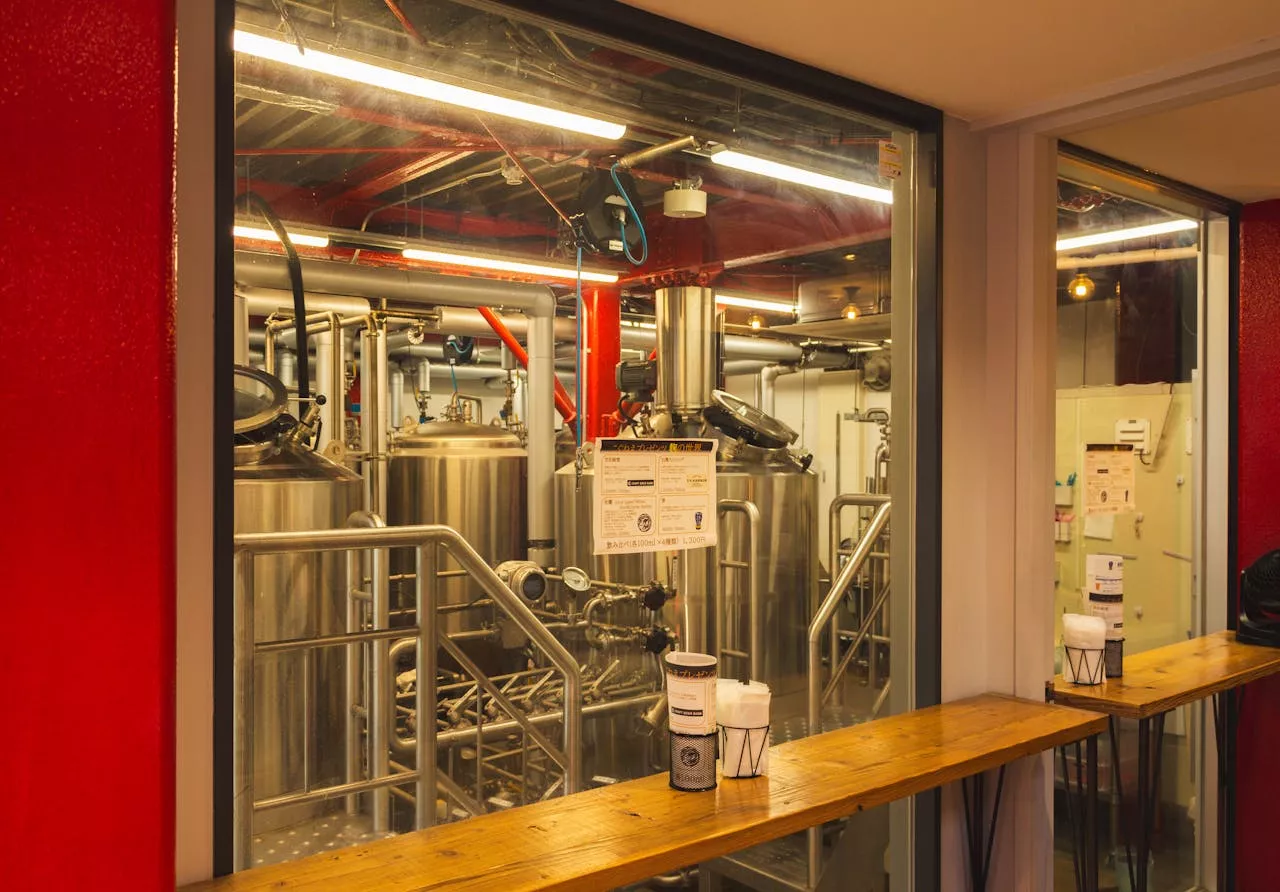
At the center of this collaboration is Viewpoint Brewing Company, located in Del Mar with scenic views overlooking the lagoon. Known for its inventive and diverse lineup of beers, the brewery produces a range of house-crafted styles that appeal to a broad spectrum of tastes. From the balanced maltiness of the Del Martian Amber Ale to the bold, aromatic character of the Hop-Cano Hazy IPA and the traditional influence of Das Chefeweizen, each brew reflects a commitment to quality and creativity.
But like all breweries, Viewpoint’s process generates more than just beer. Brewing begins with grains—typically barley and other cereals—that are steeped, mashed, and fermented to create the final product. Once the sugars have been extracted for fermentation, what remains is a by-product known as spent grain. While no longer suitable for brewing, these grains still contain valuable nutrients, including protein and fiber. For many breweries, managing this by-product can be a logistical and environmental challenge.
Rather than sending these spent grains to landfills, Viewpoint Brewing Company has found a more sustainable solution through its partnership with Flying F Ranch. Located in the hills outside San Diego, Flying F Ranch is operated by Alli and Bryce Fender, who raise Black Angus cattle with a focus on quality, transparency, and community engagement.
The ranch has built a strong connection with local consumers by selling beef directly through online platforms and farmers’ markets. In addition, they offer immersive ranch-to-table dining experiences that bring guests closer to the source of their food. These events feature multi-course meals centered around beef, often prepared by local chefs and paired with wines and beers from nearby producers. Set against the backdrop of open pastures and grazing cattle, these gatherings highlight the relationship between agriculture and cuisine in a tangible and memorable way.
A key component of Flying F Ranch’s approach is its innovative use of feed. While cattle primarily graze on pasture, their diet can be supplemented with other nutrient-rich materials. This is where the partnership with Viewpoint Brewing Company plays a crucial role. Each week, Alli Fender collects spent grain from the brewery and transports it back to the ranch, where it is incorporated into the cattle’s diet.
This practice is rooted in the concept of upcycling—repurposing materials that would otherwise go to waste into something of higher value. Cattle are particularly well-suited to this process due to their unique digestive systems. As ruminants, they possess a four-compartment stomach designed to break down fibrous plant materials that humans cannot digest. Within this system, a complex community of microbes works symbiotically with the animal to extract nutrients from feed sources such as grass, agricultural by-products, and, in this case, spent brewing grains.
In fact, a significant portion of what cattle consume consists of materials that would otherwise be discarded. Items like almond hulls, citrus pulp, and brewery by-products are not suitable for human consumption but can be efficiently converted by cattle into high-quality protein. This ability makes cattle an important part of sustainable food systems, as they help reduce waste while producing nutrient-dense food.
For the Fenders, incorporating spent grain into their feeding program is both practical and meaningful. The grains provide a valuable source of protein and energy for the cattle, while also adding variety to their diet. At the same time, the practice supports environmental goals by diverting organic material away from landfills.
The benefits extend beyond the ranch. For Viewpoint Brewing Company, the partnership offers a responsible and cost-effective way to manage brewing by-products. Instead of incurring disposal costs and contributing to landfill volume, the brewery can ensure that its spent grains are put to productive use. This not only aligns with sustainability goals but also strengthens ties within the local community.
For consumers, the collaboration represents a deeper connection to their food and drink. Knowing that the beef on their plate and the beer in their glass are linked through a shared, sustainable process adds a new dimension to the dining experience. It tells a story of resourcefulness, collaboration, and respect for the environment.
Moreover, this closed-loop system highlights the potential for similar partnerships across the food and beverage industry. By rethinking waste as a resource, producers can create more resilient and efficient systems that benefit both the environment and the economy. It’s an approach that aligns with growing consumer interest in sustainability and transparency, particularly in regions like San Diego where local sourcing and craft production are highly valued.
Ultimately, the collaboration between Viewpoint Brewing Company and Flying F Ranch is more than just a practical solution to a waste problem. It is a model of innovation that demonstrates how traditional practices can evolve to meet modern challenges. By bringing together the art of brewing and the craft of ranching, they are creating a cycle that begins with grain, passes through the brewery, nourishes the cattle, and returns to the table in the form of exceptional food.
In doing so, they remind us that even the simplest pleasures—like a burger and a beer—can have a rich and complex story behind them. And when that story includes sustainability, community, and creativity, it becomes all the more satisfying.
Source Link:https://www.businesswire.com/