
Fertilizer and Renewable Energy Divert and US Cold Storage Convert 2.5 Million Pounds of Unsold Food
Divert, Inc., a circular economy company focused on preventing food waste, has announced significant results from its partnership with United States Cold Storage (US Cold), a leading provider of refrigerated warehousing and logistics services. During the first 15 months of the collaboration, the companies processed more than 2.5 million pounds of unsold food and beverage products from seven US Cold facilities in California.
Rather than sending the unsold products to landfill, the material was converted into renewable energy, fertilizer and other useful resources. The partnership demonstrates how food and beverage companies, distributors and logistics providers can work together to create more sustainable solutions for products that can no longer be sold or donated.
The collaboration also highlights the growing importance of landfill diversion across the food supply chain. As businesses face increasingly ambitious sustainability targets and state-level requirements for reducing organic waste sent to landfill, companies are looking for disposal programs that can provide both environmental benefits and secure, verifiable handling of unsold inventory.
Divert’s vertically integrated Circularity Platform is designed to help businesses recover value from food that would otherwise become waste. Instead of treating unsold products solely as a disposal challenge, the platform routes materials toward multiple recovery pathways based on customer requirements, material characteristics and available processing capacity.
Converting Unsold Products Into Valuable Resources
After US Cold exhausts opportunities to sell or donate products, eligible unsold inventory is transported to Divert’s Integrated Diversion & Energy Facility in Turlock, California. At the facility, Divert uses proprietary High-Recovery Depackaging (HRD) technology and anaerobic digestion to process the material.
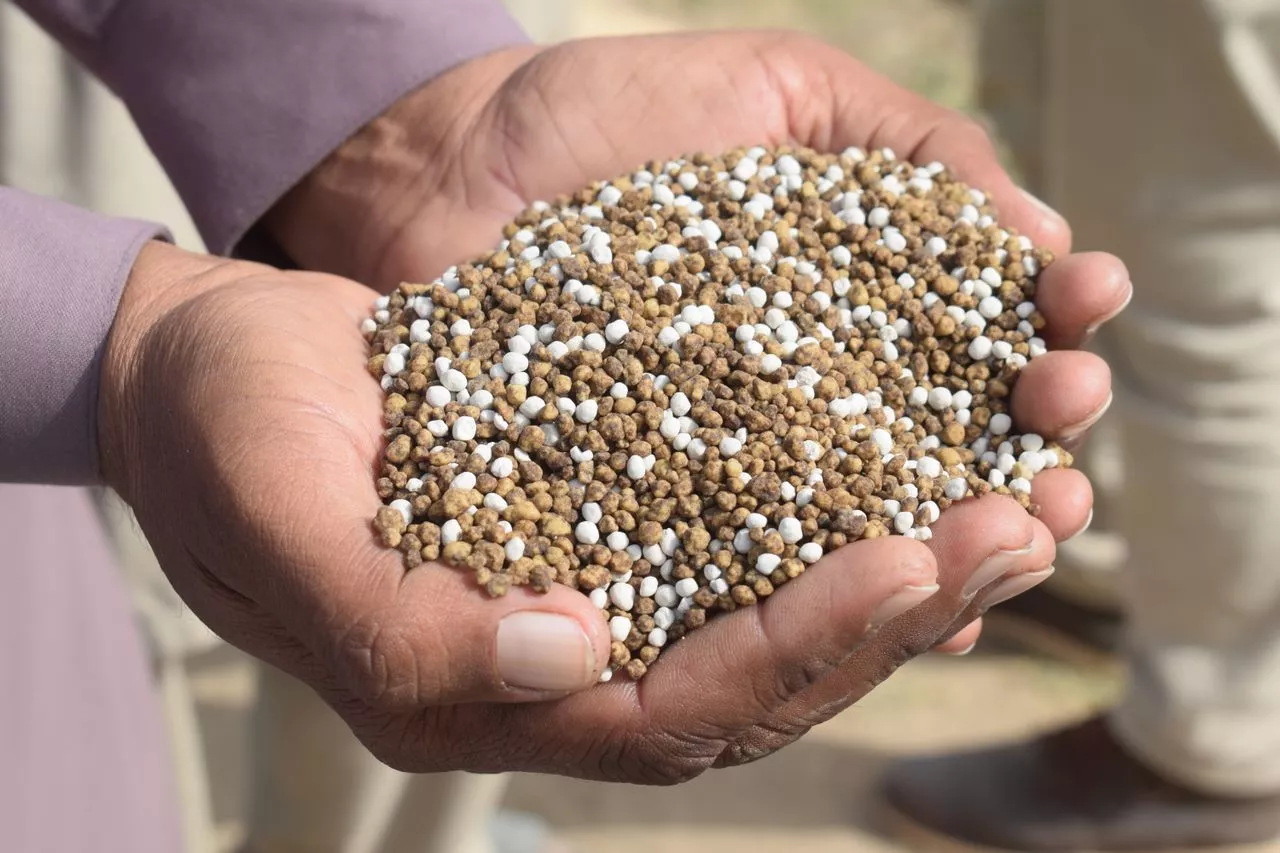
Through this process, food and beverage products are converted into renewable natural gas (RNG), nutrient-rich agricultural fertilizers and recovered water. The approach helps keep resources in circulation while reducing dependence on landfill disposal.
The resulting renewable natural gas is delivered into the pipeline, while fertilizer and soil amendments are supplied to agricultural partners in the region. This creates a local circular system in which products that were once destined for disposal can ultimately contribute to energy generation and agricultural production.
For US Cold and the brands it serves, the process also provides secure product destruction, documentation and measurable environmental outcomes. These benefits are becoming increasingly important as food and beverage companies seek to demonstrate progress against corporate sustainability commitments.
Supporting Brand Sustainability Goals
The partnership is particularly relevant for brands such as Oatly, whose products move through the US Cold network. Oatly has established sustainability objectives covering waste reduction and landfill diversion across its operations.
The company has previously reported eliminating production waste sent to landfill and has set a goal of eliminating all waste to landfill, including warehouse waste, by 2030. By managing unsold Oatly inventory through Divert’s recovery system, US Cold can extend the brand’s sustainability efforts beyond manufacturing and into the distribution and logistics stages of the supply chain.
During the first 15 months of the partnership, 126,000 pounds of Oatly products were processed through Divert. The material generated nearly 80 MMBtu of renewable natural gas and avoided approximately four metric tons of carbon dioxide equivalent emissions. That emissions reduction is comparable to roughly 10,000 miles driven by a vehicle.
The results illustrate how sustainable waste management can support a brand’s broader environmental strategy even after products have reached the end of their traditional commercial lifecycle.
A Flexible Model for Variable Food Waste Volumes
Food distributors and refrigerated warehouses often deal with fluctuating volumes of unsold products. The amount of material requiring destruction can vary depending on seasonality, product type, location, inventory levels and other operational factors.
Traditional disposal arrangements may struggle to accommodate these fluctuations cost-effectively. This can make it more difficult for businesses to implement sustainable diversion programs across multiple facilities.
Divert’s approach uses dynamic pricing and optimized material routing to help address these challenges. By matching material with appropriate recovery infrastructure and adjusting to changing volumes, the company helped US Cold expand its sustainable destruction program across multiple California locations.
Sara Cook, Sustainable Development Manager at United States Cold Storage, said customers expect the company to protect their brands and act responsibly throughout the supply chain, including when products can no longer be sold.
She noted that Divert’s flexible program has enabled US Cold to provide secure product destruction while maintaining sustainable outcomes. This gives brands such as Oatly greater confidence that unsold inventory is being managed according to the same environmental principles that guide their own operations.
Measurable Environmental Impact
The partnership has already produced substantial environmental results. During the first 15 months, material processed through seven US Cold facilities in California resulted in more than 2.5 million pounds of unsold food and beverage products being securely processed.
The program also generated more than 8,500 MMBtu of renewable natural gas and avoided approximately 450 metric tons of carbon dioxide equivalent emissions.
Divert estimates that the emissions reduction is comparable to approximately 40 trips around the equator in an average gasoline-powered vehicle. These figures demonstrate the potential environmental impact that can be achieved when large volumes of unsold food are diverted from landfill and instead processed through energy and agricultural recovery systems.
The results also highlight the potential for refrigerated warehouses and logistics providers to become important participants in the circular economy. These facilities sit at a critical point between food manufacturers, brands, retailers and consumers, making them well positioned to influence how unsold products are ultimately handled.
Supporting California Agriculture
Divert’s Turlock facility is designed to create multiple outputs from recovered food material. In addition to producing renewable natural gas, the facility generates fertilizer and soil amendments that can be used by agricultural partners.
Companies including Western Milling and Crème Brulee Farming Co. receive these recovered agricultural products, helping support farms in the surrounding region.
At full capacity, the Turlock facility is capable of producing enough renewable energy annually to power more than 4,000 homes. It can also generate enough liquid nitrogen fertilizer to support approximately 112 million pounds of strawberries and produce enough soil amendment to treat as much as 2,000 acres of farmland.
The facility has the potential to offset approximately 23,000 metric tons of carbon dioxide equivalent emissions annually at full capacity. Together, these capabilities demonstrate how food waste can be transformed into resources that support both energy production and agriculture.
Expanding Circularity Across the Food Supply Chain
Divert currently has more than 7,800 customer locations across the food supply chain actively recovering value through its nationwide Circularity Platform. The company sees refrigerated warehousing as an important opportunity for further expansion.
According to estimates from the U.S. Department of Agriculture, there are approximately 930 refrigerated warehouse locations across the United States. These facilities handle significant quantities of temperature-sensitive food and beverage products and therefore can play an important role in reducing the amount of unsold inventory sent to landfill.
Ben Kuethe Oaks, SVP, Commercial at Divert, said the results achieved with US Cold and its customers in California demonstrate the closed-loop capabilities of Divert’s Circularity Platform.
According to Oaks, the platform can help customers across the food value chain, including consumer packaged goods companies, logistics providers and retailers, address source reduction, waste diversion and circularity objectives.
The US Cold partnership illustrates a broader shift in how the food industry approaches unsold inventory. Instead of viewing products that cannot be sold or donated as an unavoidable disposal expense, businesses can increasingly treat them as a source of energy, nutrients and other recoverable resources.
As sustainability requirements continue to evolve, partnerships that connect food brands, logistics providers, waste recovery companies and agricultural users could become increasingly important. By diverting millions of pounds of food from landfill and converting it into renewable energy and agricultural inputs, Divert and US Cold are demonstrating how supply-chain infrastructure can contribute to a more circular and resource-efficient food system.
Source link:https://www.businesswire.com/